Top 10 Questions About California Native Plants (Answered)

California native plants are one of the best choices you can make for a beautiful, water-wise garden. They thrive in our climate, support pollinators and wildlife, and require far less maintenance once established. If you’re just getting started, though, it’s completely normal to have questions. Below are the 10 most common ones we hear, all answered in one place.
When is the best time to plant native plants in California?
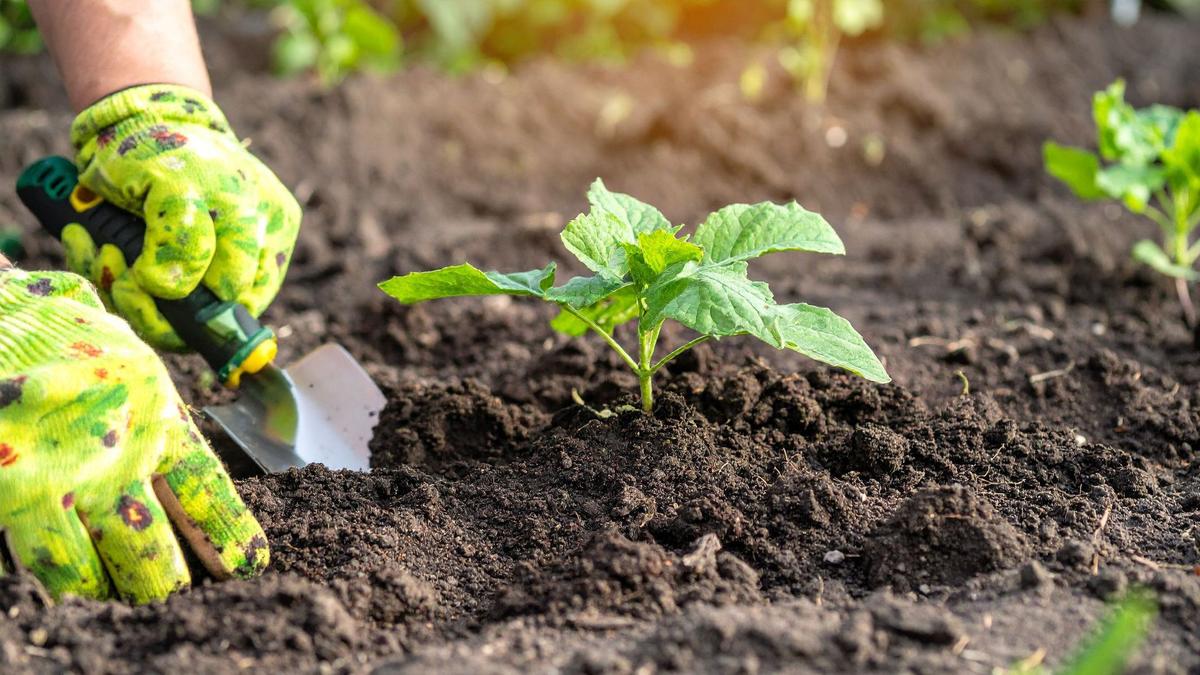
The best time to plant California native plants is late fall through early spring.
Why? California’s native plants evolved with winter rainfall patterns. Cooler temperatures combined with seasonal moisture allow roots to establish deeply before summer heat arrives. This head start makes a huge difference in long-term plant health and drought resilience.
While planting can be done year-round in mild coastal climates, summer planting is best avoided when possible. It requires significantly more watering and puts additional stress on both plants and gardeners.
2. Drought and Native Plants: How Much Water Do They Really Need?
California native plants are famously water-wise, but they still need consistent care while getting established. These plants are adapted to California’s climate, thriving in full sun and well-draining soil, and they’re increasingly important as droughts become more frequent and severe.
During the first year, plan on deep watering about once a week, allowing the soil to dry out between waterings. This encourages roots to grow downward rather than staying shallow.
After the first year, most natives only need occasional deep watering during extended dry periods or heat waves. In containers, plants will need more frequent watering since pots dry out faster than in-ground soil.
The biggest mistake new native plant gardeners make is overwatering. California natives thrive on a “water, then dry” cycle rather than frequent shallow watering.
3. Do I need to fertilize native plants?
Short answer: no.
California native plants are adapted to lean, low-nutrient soils. Adding fertilizer, especially synthetic fertilizer, can actually harm them by:
- Encouraging weak, floppy growth
- Increasing susceptibility to pests and disease
- Disrupting beneficial soil fungi
- Leading to root rot
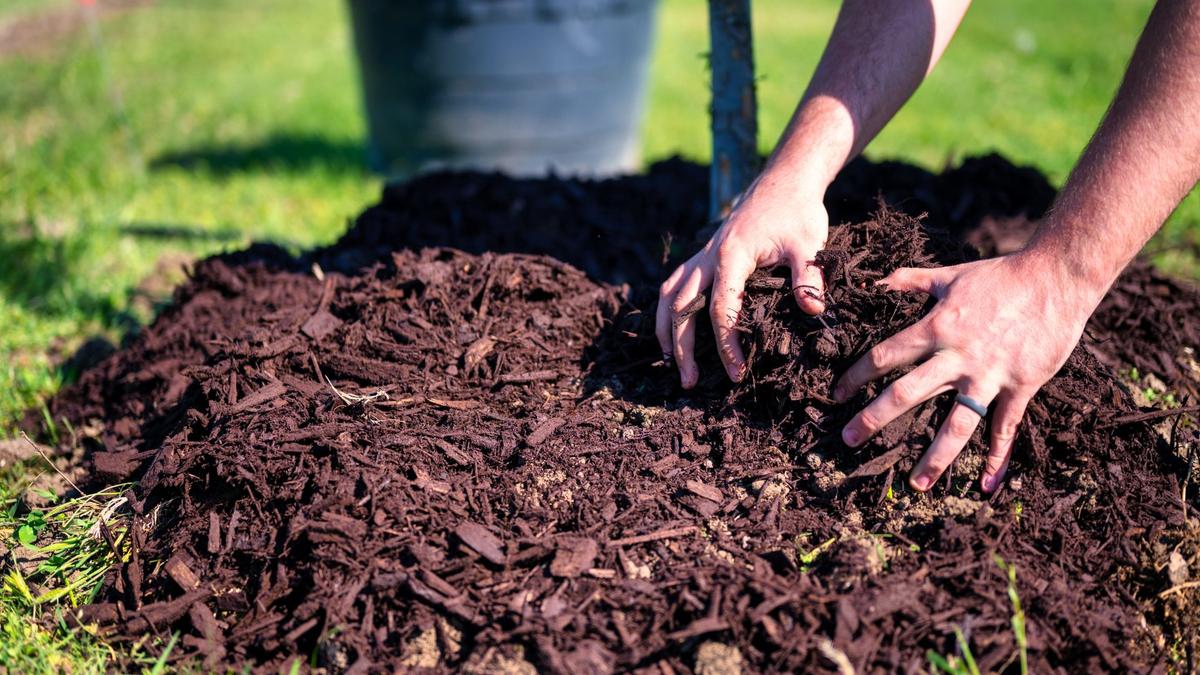
Instead of fertilizing, apply a thin layer of natural mulch (such as leaf litter or bark fines). Mulch helps retain moisture, moderate soil temperature, and slowly improve soil structure over time.
7. Why do native plants take so long to establish?
This is completely normal and part of the classic “Sleep, Creep, Leap” pattern common to native perennials.
Year 1: Sleep
Plants focus on root development with minimal visible growth.
Year 2: Creep
You’ll see steadier leaf growth and some flowering.
Year 3: Leap
Plants reach their mature size, bloom more heavily, and become largely self-sustaining.
Slow growth early on is a sign of long-term success, not a problem.
5. What kind of soil do California natives need?
Most California native plants prefer soils that are:
- Fast-draining
- Sandy or rocky
- Low in nutrients
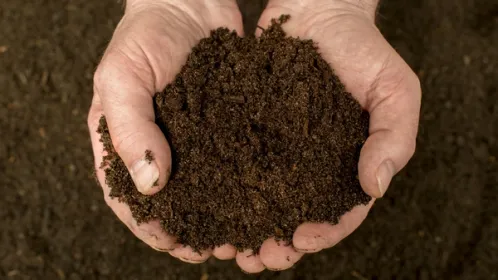
If your soil is heavily compacted or has been disturbed by construction, you can lightly amend with organic compost, leaf litter, or worm castings. Avoid rich, moisture-retentive mixes, which can cause root issues.
For containers, use a porous, fast-draining potting mix designed for natives or succulents.
6. Which native plants are best for beginners?
If you’re just getting started with native gardening, the good news is that there are plenty of reliable, forgiving California native plants that are easy to grow and offer huge ecological benefits. Planting a mix of species, including well-known favorites, and even rare or endangered natives, can support conservation efforts while making your garden more diverse, resilient, and interesting.
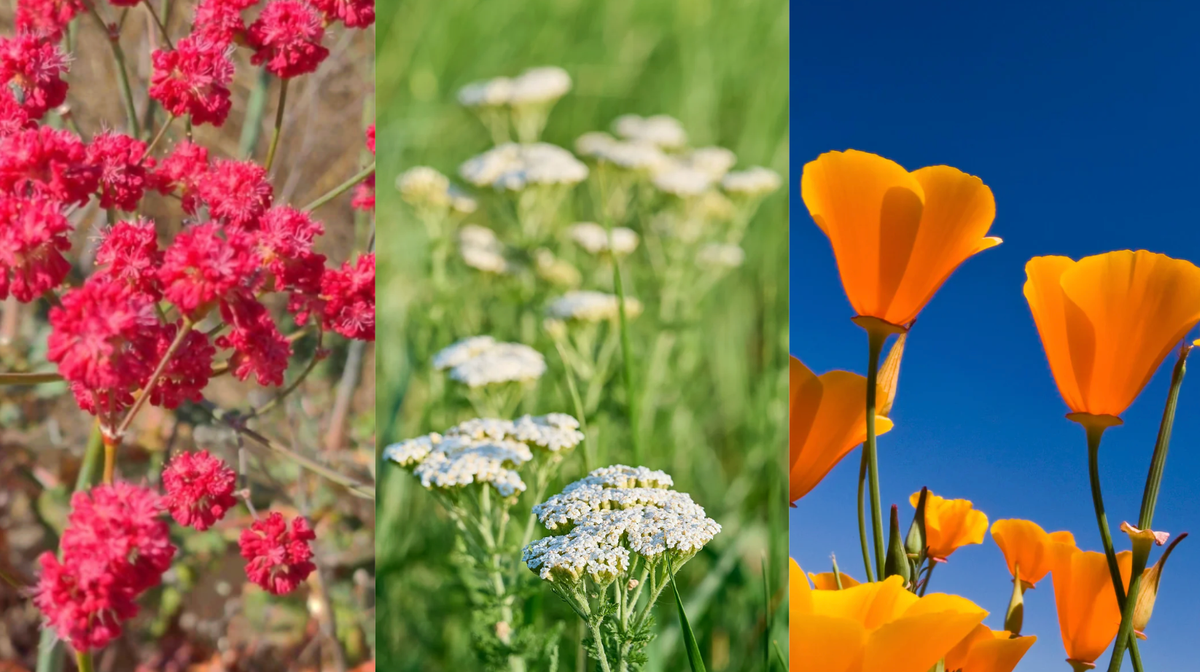
Some of the best beginner-friendly natives include California Buckwheat (Eriogonum fasciculatum), Deergrass (Muhlenbergia rigens), Hummingbird Sage (Salvia spathacea), Blue-Eyed Grass (Sisyrinchium bellum), California Fuchsia (Epilobium canum), and Yarrow (Achillea millefolium). These plants are drought-adapted, low-maintenance, and naturally attract pollinators.
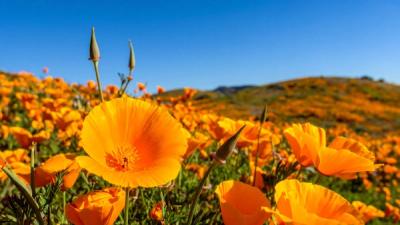
California Fuchsia, for example, is a mat-forming perennial that becomes very dry-growing once established and is especially loved by hummingbirds. California poppy thrives in poor, sandy, well-drained soil and full sun, making it one of the easiest natives to grow. If you want something bold and dramatic, Matilija poppy is another perennial native that does best in full sun with well-draining soil.
Succulent lovers can also incorporate natives like Chalk Liveforever, which prefers full sun and needs very little water once established. For structure and movement, Giant Wild Rye is a tall native grass that requires minimal irrigation after it settles in.
Shrubs are another wonderful category for beginners. Bush Monkeyflower is a medium-sized perennial that becomes dry-growing over time and brings in hummingbirds with its bright blooms. Cleveland Sage is an evergreen chaparral native that thrives in full sun or part shade, just remember to prune lightly and avoid cutting into woody growth to encourage healthy flowering.
For larger evergreen shrubs, Lemonade Berry Sumac and Toyon provide year-round structure, habitat, and slope stabilization once established. Manzanitas are also iconic California natives, offering beautiful form and evergreen foliage while thriving in well-draining soils with very little summer water.
Many of these plants produce stunning flowers that draw bees, butterflies, and hummingbirds into your garden. And some natives, like yarrow, are even tough enough to tolerate mowing, making them a great option for lawn-like spaces or walkable groundcover.
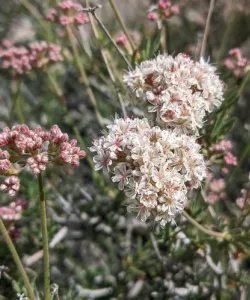
California Buckwheat is one of the most important native plants for pollinators in southern and coastal California. This semi-evergreen shrub typically grows 2–4 feet tall and wide with fine-textured, needle-like foliage and a rounded, mounding form that brings structure to dry landscapes.
From late spring through fall, the plant produces tight clusters of small white to pink flowers that gradually darken to reddish-brown seed heads, adding extended seasonal interest. These flowers are a magnet for many pollinators and beneficial insects and are considered one of the top nectar sources for Southern California butterflies.
Its deep roots make it highly drought-tolerant once established, perfect for erosion control on slopes or in fire-wise plantings. California Buckwheat thrives in full sun and well-draining soils and fits beautifully into dry gardens, habitat restorations, and native hedgerows.
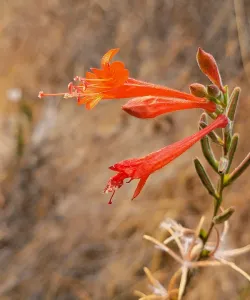
California Fuchsia will quickly light up your garden with a vivid display of bright red flowers from late summer through early fall. These tubular blooms are highly attractive to hummingbirds and other pollinators, providing a crucial nectar source when other flowers are scarce. Growing up to 2 feet in height and spread, if allowed it will form a dense mat of narrow, gray-green leaves, adding a unique texture to rock gardens, borders, and native plant gardens.
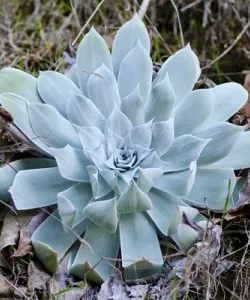
Chalk Dudleya is one of the most visually arresting native succulents of Southern California, prized for its large, chalky-white rosettes that seem sculpted rather than grown. The heavy waxy coating on its leaves reflects sunlight and reduces water loss, allowing it to survive on exposed cliffs, rocky slopes, and bluffs where few plants can persist.
In late spring to early summer, Chalk Dudleya sends up tall, arching flower stalks topped with clusters of soft yellow to pale orange or red blooms. These flowers are an important nectar source for native bees, flies, and hummingbirds, adding seasonal movement and ecological function to an otherwise minimalist plant. After flowering, the main rosette may slowly decline, but offsets often form to carry the plant forward.
This species is perfectly adapted to a Mediterranean climate with dry summers and winter rainfall. It prefers full sun near the coast and light afternoon shade inland, along with sharp drainage and minimal summer water. Chalk Dudleya is ideal for rock gardens, slopes, containers, and habitat plantings where its dramatic form can be appreciated up close.
7. How can I create a garden that supports wildlife?
Native gardens create habitat almost immediately.
To maximize ecological value, include a mix of plant types:
- Structural shrubs like Cleveland Sage or White Sage
- Flowering perennials such as California Buckwheat and Desert Penstemon
- Groundcover species like Yarrow or California Strawberry
- Plants with staggered bloom times for year-round resources
With this diversity, you’ll quickly notice birds, butterflies, and native bees visiting your garden.
8. Can I plant natives in containers?
Yes, many California native plants do very well in pots with the right setup.
- Tips for container success:
- Use a fast-draining soil mix
- Choose drought-tolerant species like sages, poppies, monkeyflower, or buckwheat
- Water more frequently than in-ground plants
- Top pots with gravel or rock mulch to regulate temperature
Container native gardens are ideal for patios, balconies, renters, and small spaces. Checkout our container gardens specifically designed to help you plant native in Southern California!
9. How do I avoid weeds taking over my native garden?
Weeds are most aggressive during the first year, before natives fill in.
To stay ahead:
- Mulch exposed soil
- Hand-pull weeds early
- Water only at the base of plants
- Plant densely so natives outcompete invaders
By years two and three, most native gardens become naturally weed-resistant.
10. Should I choose a pre-designed garden or pick my own plants?
The right choice depends on your goals, experience level, and how much guidance you’d like along the way. There’s no one-size-fits-all approach — and that’s a good thing.
Pre-Designed Native Gardens
Pre-designed native gardens are ideal if you want a beautiful, cohesive garden without having to make dozens of decisions.
This option is great if you’re looking for:
- A professionally designed layout
- Plants that are proven to thrive together
- Balanced heights, textures, and bloom timing
- A simple, turnkey solution that’s easy to install
Pre-designed gardens take the guesswork out of plant selection and spacing while still delivering a high-impact, pollinator-friendly landscape.

Custom Garden Designs
Custom garden designs are a wonderful option if you want a garden tailored specifically to your space, conditions, and vision.
This option is ideal if you:
- Have unique site conditions (slope, shade, soil, microclimates)
- Want a layout designed around your home, paths, or existing plants
- Are working with a specific square footage or irregular shape
- Want a design that balances aesthetics, ecology, and maintenance goals
With a custom design, we consider sun exposure, soil type, water needs, wildlife goals, and your personal style to create a garden that feels intentional and long-lasting.
CTA: Request a Custom Garden Design →
Choose Your Own Plants
Choosing your own plants works well if you enjoy hands-on gardening and want complete creative freedom.
This option is perfect if you:
- Want full control over plant selection
- Are looking for specialty or less common natives
- Are planting small beds, containers, or phased gardens
- Enjoy experimenting and building your garden over time
This path allows you to curate your garden at your own pace while still benefiting from high-quality native plants.
Whichever path you choose, starting with native plants sets you up for a garden that’s more resilient, water-wise, and supportive of local wildlife. And if you ever want to switch approaches, from DIY to custom, or pre-designed to custom, we’re here to help.
Conclusion
When it comes to your Southern California garden, you really can't go wrong with drought-tolerant plants, especially California natives. You might worry that switching to native plants means giving up on beauty or variety, but that's not the case at all. By choosing natives for your landscaping, you're actually solving multiple problems at once: you'll use less water, see your bills drop, and help prevent soil erosion, all while creating a genuine haven for the birds and wildlife that belong here. These plants evolved right here in your backyard's climate, so they'll thrive with way less fuss from you and give you year-round beauty and habitat that actually works.
You don't have to figure this all out on your own, either. Simple sustainable practices like drip irrigation can make your native garden even more effective, ensuring every drop goes exactly where it needs to be. With a little thoughtful planning and some creativity, you can transform your yard into that vibrant, water-wise oasis you've been dreaming of, one that genuinely supports the local ecosystem and helps fight back against climate change effects. Don't be intimidated by exploring California natives; from the brilliant California poppy to those sturdy evergreen shrubs, you'll discover just how easy it is to create something that's both stunning and truly sustainable. When you make the switch to native plants, you're not just improving your own little piece of the world, you're genuinely making a positive impact on California's future, and that feels pretty good.
Share this article