California Rebate Programs: How to Find the Right Incentives in Your Area


If you live in California, you’ve probably heard about rebate programs for things like replacing your lawn, upgrading to water-efficient landscaping, installing drip irrigation, or making your home more energy efficient.
California offers rebates for water conservation, energy-efficient home upgrades, and even electric vehicles, with many programs designed specifically for income-qualified households and single-family residents.
And the good news is: there’s real money available.
The tricky part is that California rebate programs can feel confusing and fragmented, especially because eligibility, funding, and requirements depend heavily on where you live.
Many programs are administered locally and may prioritize low-to-moderate-income households, so the first step is often verifying your eligibility based on your household type and service district.
That’s why this guide is here: to give you a first-level understanding of how these programs work, what most of them require, and how to avoid the most common mistakes.

What Are California Rebate Programs?
Rebate programs are financial incentives offered by local water agencies, energy districts, and state-supported programs to encourage more sustainable choices.
Many rebates are available to residential customers and can be accessed through online application portals, making it easier for households to apply and benefit.
Most programs are designed to help homeowners and businesses:
- Reduce outdoor water use
- Replace high-water lawns with native or drought-tolerant plants
- Install efficient irrigation systems
- Upgrade appliances or home infrastructure
- Support conservation during drought
For example, landscape conversion rebates can be valued at up to $5 per square foot for turf replacement. Rebates for high-efficiency clothes washers often start around $85 and can significantly reduce both water and energy use over time.
Instead of paying the full cost out of pocket, you may be eligible to receive money back after completing an approved project.
Why Rebates Depend on Where You Live
One of the biggest points of confusion is that California does not have one single statewide rebate program.
Most rebates are run by your local water district or utility provider, which means:
- Programs vary by county and city
- Funding levels change year to year
- Requirements differ depending on the agency
- Some areas offer generous incentives, while others offer fewer options
That’s why identifying your local water or utility district is always the most important first step.
Start by researching eligible rebate programs for your area. A quick search using your home ZIP code and ‘California lawn replacement rebate programs’ is a great first step.
How to Research Rebates (Without Getting Overwhelmed)
If you’re starting from scratch, here’s a simple and manageable approach.
First, identify your local water or utility provider. Rebates are almost always tied to the agency that supplies your water or electricity.
Next, search that agency’s website for conservation or rebate programs. Helpful keywords include “turf replacement,” “water-saving rebates,” “landscape incentives,” or “drought programs.”
Be sure to check eligibility requirements and current funding availability. Many rebates are first-come, first-served and may pause or close once funds are depleted.
Most importantly, read all requirements before starting any work. This is where many people accidentally disqualify themselves.
Many programs also require working with authorized or certified contractors and submitting proof of purchase and installation, such as receipts and photos.
Navigating the Online Application Process
Most California rebate programs now use online portals to manage applications.
In Southern California, for example, regional platforms like SoCal Water$mart are used to administer turf replacement and water-saving rebates on behalf of local water agencies.
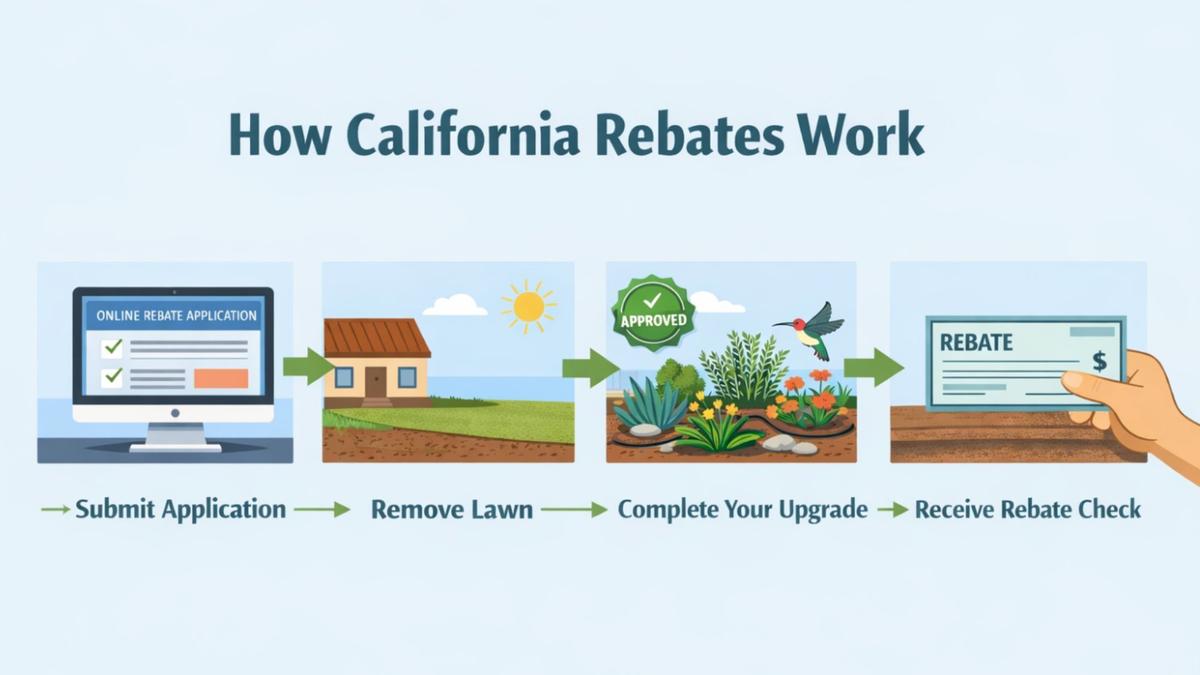
While each portal looks a little different, the process is generally similar. You’ll create an account, submit an application, and upload documentation such as before-and-after photos, receipts, and a description of your project.
Although the paperwork can feel tedious, it’s simply how agencies confirm that your project meets water-saving standards and qualifies for reimbursement.
A helpful tip is to gather all documentation ahead of time, carefully review program guidelines, and respond promptly if the agency requests additional information.
Common Requirements Across Most California Rebates
While every district is different, most rebate programs share a few common rules.
Rebate amounts are subject to change, may have maximum limits based on square footage or customer type, and are typically evaluated on an ongoing basis until funding runs out.
Here are the most common requirements:
- You must apply before starting your project: Many programs require pre-approval or an inspection before turf removal or installation begins.
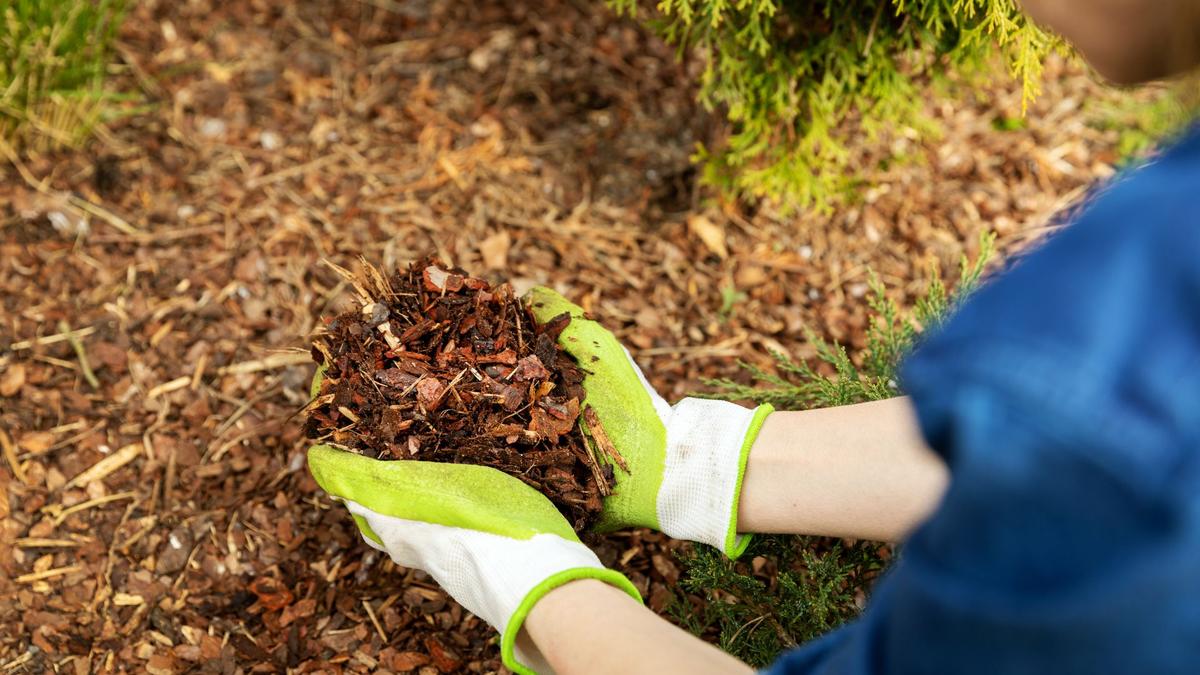
- Projects must meet water-saving standards: Turf replacement programs often require drought-tolerant or native plants, mulch coverage, and efficient irrigation such as drip systems.
- Documentation is required: Expect to submit before-and-after photos, receipts, plant lists, and accurate square footage measurements.
- Rebates are tied to your property and water account: Most programs require you to be the homeowner or an authorized account holder.
- Maintenance expectations apply: Some rebates require maintaining the landscape for several years and prohibit reinstalling turf later.
The Most Common Mistakes People Make
Rebate programs can be generous, but they’re also detail-oriented.
The most common mistake is starting a project too soon. Removing turf or installing new landscaping before applying can result in disqualification.
Another frequent issue is assuming rebates are statewide. A program available in Los Angeles may not exist in San Diego or Sacramento.
Missing paperwork or incomplete documentation can delay or prevent approval, as can choosing plants or materials that don’t meet program requirements.
Finally, incorrect measurements matter. Turf replacement rebates are often calculated per square foot, so accuracy is essential.
Why These Programs Exist (And Why They’re Expanding)
California is facing long-term water stress, rising temperatures, and more frequent drought cycles. For local agencies, conservation is often more cost-effective than expanding water infrastructure.
California has also received significant federal support, including $590 million from the U.S. Department of Energy for Home Energy Rebate programs.
These incentives are designed to help residents:
- Reduce water demand
- Improve climate resilience
- Support healthier ecosystems
- Create more sustainable communities
Even small changes, like switching to drip irrigation or replacing part of a lawn, can add up to meaningful impact.
Final Thoughts
California rebate programs can be one of the easiest ways to save money while building a more water-wise home and landscape, but only if you know where to look and how to qualify.
Start local, read requirements carefully, avoid the common mistakes, and take advantage of incentives that are designed to support exactly these kinds of improvements.
If questions come up, most programs list direct contact information for administrators who can help clarify eligibility, timelines, and application steps.
Share this article