Fire Safety in Southern California: How to Create a Defensible Space with Native Plants for a Resilient Landscape

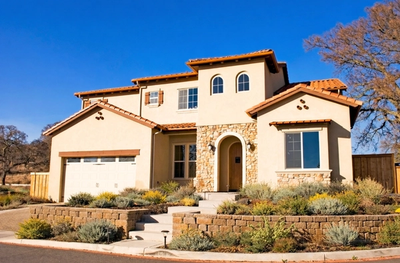
Fire safety is an essential part of native plant landscaping in Southern California. With hot, dry summers, seasonal Santa Ana winds, and increasing development near wilderness areas, homeowners need to think beyond beauty and water conservation. A well-designed landscape can also play an important role in reducing fire risk.
One of the most effective steps you can take is to create defensible space around your property. Creating defensible space is essential for your home's wildfire safety. Defensible space acts as a buffer zone between your home and surrounding land, helping to protect your home from embers and heat, and providing firefighters with a safer area to operate. This buffer zone is crucial for stopping wildfire spread and enhancing the overall safety of your property during a fire event.
The good news is that fire-safe landscaping doesn’t mean giving up curb appeal or removing all greenery. With thoughtful native plant choices, proper spacing, and smart maintenance, including fire resistant landscaping, you can create a landscape that is both beautiful and more resilient in a fire-prone climate.
Introduction to Wildfire Safety
Wildfire safety is a top priority for homeowners in Southern California, where the risk of fire is a constant concern. One of the most effective ways to protect your home is by creating and maintaining defensible space zones. These buffer zones are carefully designed areas around your home that help slow or stop the spread of wildfire, shielding your property from embers, direct flames, and radiant heat. By establishing defensible space, you not only reduce the risk of fire reaching your home, but also give firefighters a safer area to work in the event of an emergency. Understanding how to create and maintain these zones is essential for anyone looking to protect their home and family from the threat of wildfire.
Why Fire Safety Matters in Southern California
Southern California’s climate naturally includes long dry seasons. Native ecosystems like chaparral evolved with periodic fire cycles, but modern development changes how fires behave. Homes built near open space, canyons, and hillsides are particularly vulnerable during wind-driven wildfire events.
In many cases, embers, not large flames, are the primary cause of home ignition. Wind can carry embers more than a mile ahead of a fire front, landing on roofs, mulch, decks, or dry vegetation near the home.
That’s why defensible space is so important. It helps reduce fuel near structures, limits ignition opportunities, and can protect your home from radiant heat, which can ignite materials even without direct flame contact.
Fire-safe landscaping is ultimately about slowing fire spread, reducing intensity near your home, and ensuring access for fire fighting efforts.
What Are Defensible Space Zones?
Defensible space refers to the buffer between your home and surrounding vegetation. In California, state guidelines generally recommend maintaining defensible space within 100 feet of structures, though requirements can vary depending on your location and local fire district. This buffer zone is crucial for wildfire safety, as it slows fire spread, protects your home from embers and heat, and provides firefighters with a safer area to operate.
Creating zones is the recommended approach, because it helps homeowners manage space more effectively. This includes creating separation between shrubs and trees, managing vegetation up to your property line, and considering the surrounding wildland area.
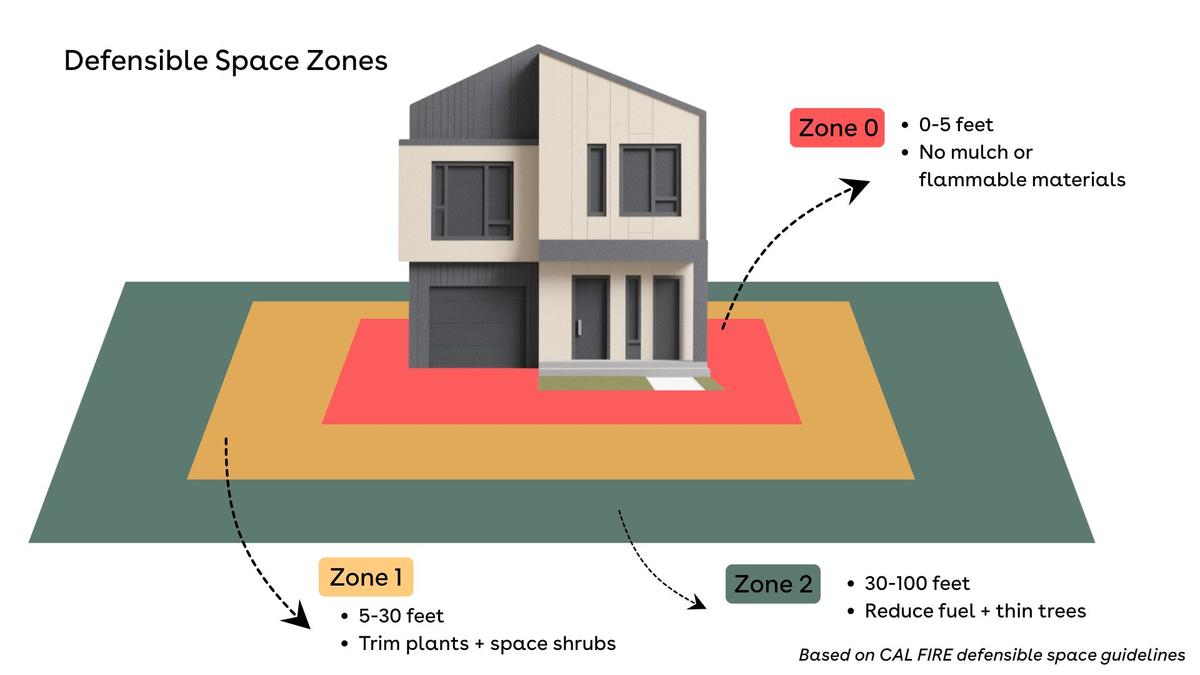
Fire experts recommend creating three distinct zones, starting from the home and moving outward to 100 feet or more.
Defensible space is typically divided into zones:
Zone 0 (0–5 feet from the home)
Zone 0 extends 0 to 5 feet from buildings, structures, decks, and other attachments. This is the most critical area. Avoid combustible materials directly next to the house.
Use non-combustible surfaces such as gravel, stone, pavers, or concrete. Maintain bare mineral soil around wood piles and structures to reduce fire risk. Remove combustible bark, pine needles, dead or dry leaves, and flammable debris. Many experts recommend gravel or noncombustible mulch in this zone to create a barrier between the home and surrounding vegetation.
Zone 1 (5–30 feet)
Zone 1 extends from 5 to 30 feet from buildings, decks, and other structures. Plants here should be well-spaced and properly maintained.
Avoid dense, continuous plantings, prune regularly, and remove dead material. Limit combustible items such as outdoor furniture and planters, and relocate firewood and garbage away from structures. Consider relocating garbage and recycling containers, boats, RVs, vehicles, and other combustible items outside this zone to further improve safety.
Mow annual grass to a maximum height of 4 inches to reduce fire risk.
Zone 2 (30–100 feet)
Zone 2 extends from 30 feet to 100 feet out from buildings and structures. The goal here is fuel reduction.
Space shrubs and trees, ensuring there is a minimum spacing of 10 feet between tree canopies and other trees to reduce fire risk. Trim tree branches so they are at least 6 feet above the ground and away from combustible items to maintain safety and prevent fire hazards. Remove dead branches, and manage vegetation to prevent ladder fuels, the plant “pathways” that allow fire to climb from the ground into tree canopies.
Continue removing flammable vegetation and maintaining groundcover.
Zone 3 and Zone 4 (Beyond 100 feet)
Zone 3 is the transition zone between defensible space and natural land, while Zone 4 can extend 100–200 feet depending on community layout.
The goal is to start at your house and work outward, reaching up to 100 feet or your property line to maximize protection.
Property owners are also responsible for vegetation adjacent to roads and driveways.
Local fire departments and CAL FIRE provide detailed defensible space guidelines for specific Southern California communities.
Are Native Plants Fire-Safe?
There is a common misconception that native plants are automatically fire hazards. The truth is more nuanced.
Any plant can burn under extreme wildfire conditions. Fire behavior depends far more on plant placement, spacing, and maintenance than on whether a plant is native or non-native.
Well-maintained native plants that are properly spaced and irrigated during establishment can absolutely be part of a fire-resilient landscape. Problems arise when plants become overcrowded, overgrown, or allowed to accumulate dead material. It is especially important to remove or prune flammable plants and shrubs near windows to reduce fire risk and improve defensible space.
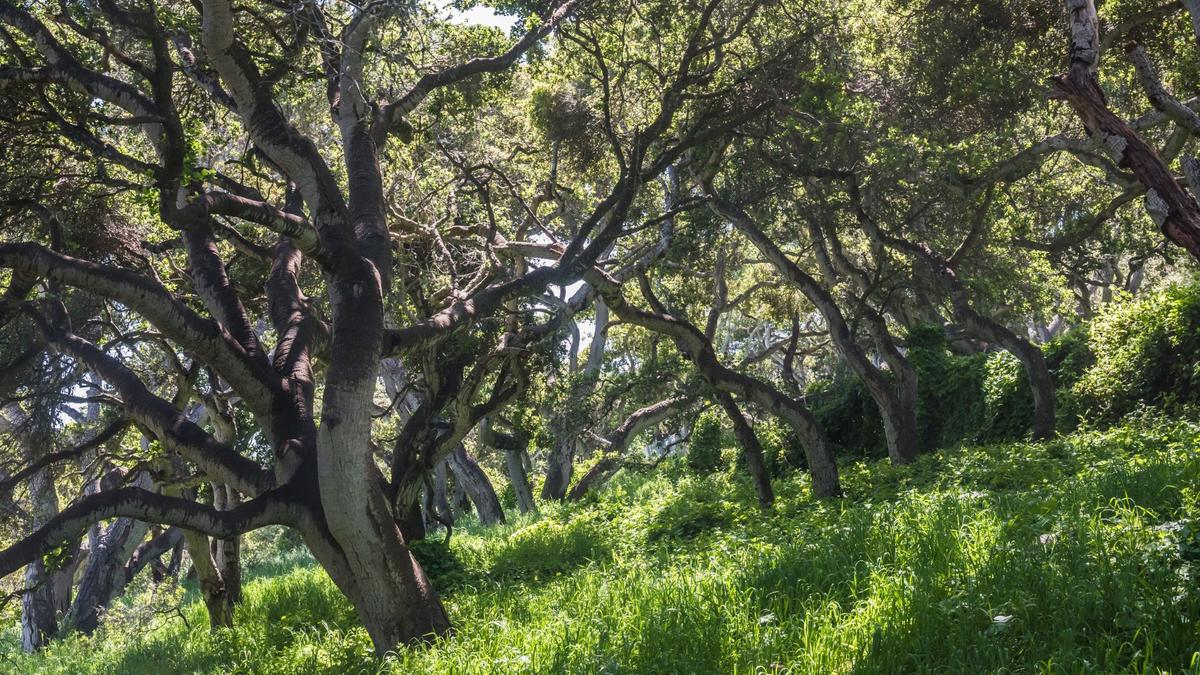
It’s also worth noting that not all vegetation contributes to fire risk in the same way. Many California native plants, when thoughtfully maintained, can be supportive of fire-safe landscaping because they are adapted to local conditions and tend to hold more moisture during the growing season. Mature native trees such as coast live oaks can even play a helpful role. Oaks have thicker bark and broad canopies that may help intercept wind-driven embers before they reach structures, potentially slowing ember movement and reducing radiant heat exposure near the home.
In contrast, some popular ornamental plants can actually increase fire danger. Highly flammable species like pampas grass and fountain grass often dry out quickly and produce large amounts of dead material, creating extra kindling that can ignite easily during wildfire conditions. This is why plant selection matters just as much as spacing and maintenance.
Of course, even fire-adapted natives require proper management. Dead branches, heavy leaf litter, or dense shrubs beneath trees can still create ladder fuels and increase fire intensity. The goal is not to remove all plants, but to manage them strategically as part of a defensible space plan.
Disturbing native habitats can also encourage invasive species, which often increase flammable vegetation and undermine defensible space efforts.
Design Principles for Fire-Resilient Landscaping
Fire-safe landscapes focus on slowing the spread of fire rather than eliminating plants entirely. These design principles support fire control by managing fuel and reducing wildfire risk. Creating space by clearing dead vegetation and maintaining safe distances between trees and shrubs helps reduce fire fuel and creates a protective buffer around your property.
1. Increase Plant Spacing
Avoid continuous hedges or dense shrub masses that allow fire to travel easily. Break up plantings with hardscape elements like pathways, gravel areas, patios, or retaining walls.
2. Reduce Flammable Vegetation and Ladder Fuels
Ladder fuels allow fire to climb from the ground into trees. Keep lower branches trimmed and separate shrubs from tree canopies to maintain vertical space.
3. Choose Fire Resistant Plants Thoughtfully
Look for plants with higher moisture content, lower resin or oil levels, open branching structure, and slower growth habits.
Many well-maintained perennials, grasses, and succulents can be good options near homes when properly spaced.
4. Maintain Regularly
Maintenance is just as important as plant selection. Remove dead leaves, prune annually, and clear fallen debris from roofs, gutters, and vents.
The Role of Hardscape and Irrigation
Hardscape elements are powerful fire-safety tools. Gravel, decomposed granite, stone, pavers, and patios create natural fire breaks and reduce continuous fuel.
Irrigation also plays a role. While drought-tolerant landscapes require less water overall, keeping plants healthy and not severely stressed reduces dry, brittle material that can contribute to fire intensity.
Drip irrigation systems allow targeted watering without encouraging excessive growth.
Trees and Large Shrubs: What to Consider
Trees provide shade, habitat, and climate benefits, but placement matters.
Avoid planting large shrubs directly under tree canopies. Maintain vertical separation between groundcover, shrubs, and branches, and keep limbs trimmed away from structures and roofs.
Well-spaced trees with maintained understory can be part of a resilient fire-safe design.
Potential Fuel Sources
Identifying and managing potential fuel sources around your property is a crucial step in wildfire prevention. Everyday items and natural debris can quickly become hazards if left unchecked. Common fuel sources include dead plants, dry vegetation, and flammable materials such as wood piles, patio furniture, and garbage and recycling containers. Even small branches, pine needles, and dead leaves can catch fire easily and help flames spread. To reduce risk, regularly clear your yard of dead vegetation and relocate firewood piles and propane tanks to a safe distance from your home.
Make sure garbage and recycling containers are stored away from structures, and keep outdoor furniture made of combustible materials well away from the house. By staying vigilant and removing these potential fuels, you can help prevent embers from igniting a fire and protect your property from wildfire.
Fire Control Measures
Taking proactive fire control measures is essential for reducing wildfire risk around your home. The foundation of these efforts is the creation of defensible space zones, which are specifically designed to minimize fire danger.
In Zone 0, which extends five feet from your home, it’s important to remove all combustible materials, including dead vegetation and flammable items. In Zone 1, extending up to 30 feet, focus on eliminating dead plants and flammable materials, and keep outdoor furniture and other combustible items away from your home’s exterior. Incorporating fire resistant plants into your landscape can further reduce the likelihood of fire spreading. Maintaining a clean, clutter-free yard and using fire resistant materials wherever possible are simple yet effective ways to enhance fire control and protect your home from wildfire.
Protecting Your Home
Protecting your home from wildfire is an ongoing process that requires regular attention and maintenance. Creating and maintaining defensible space zones is one of the most effective strategies for reducing fire risk. This means routinely removing dead vegetation, flammable materials, and combustible items from around your home, and choosing fire resistant plants and materials for your landscape.
Keep outdoor furniture and other combustible items at a safe distance from your house, and ensure that your home’s exterior remains free of anything that could catch fire. Scheduling regular defensible space inspections with your local fire department or fire protection district can help you identify and address potential fire hazards. By staying proactive and working closely with fire protection professionals, you can maintain defensible space, reduce fire hazards, and ensure your home is as safe as possible.
Common Fire-Safety Mistakes in Landscaping
Even well-intentioned gardens can create unintended risk. Common mistakes include planting dense hedges directly against the home, allowing mulch to touch siding or wood fences, letting plants accumulate dead interior growth, and ignoring roof, gutter, and vent maintenance.
Highly flammable decorative features placed too close to structures can also increase risk.
Fire safety is about reducing ignition points, not eliminating greenery.
Defensible Space Inspections
Defensible space inspections are a vital part of protecting your home and property from wildfire in Southern California. These inspections, often conducted by your local fire department or fire protection district, help homeowners identify fire hazards and ensure defensible space zones are properly maintained.
Inspectors assess each zone and look for combustible vegetation such as dead plants, dying vegetation, flammable materials, wood piles, and patio furniture placed too close to structures.
They also evaluate vertical spacing between shrubs, trees, and other vegetation. Proper spacing helps prevent fire from climbing into the tree canopy and increasing intensity.
In places like San Diego County, homeowners are often required to maintain at least 50 feet of defensible space, though requirements vary by district.
Defensible space inspections may be required for real estate transactions, building permits, or rental approvals, but ongoing maintenance is essential for long-term wildfire safety.
By staying proactive, homeowners play a critical role in protecting not only their own property, but also their neighbors and community.
Balancing Fire Safety and Water Conservation
In Southern California, homeowners often face two priorities: conserving water and reducing fire risk. The good news is these goals can work together.
Drought-tolerant landscapes that are thoughtfully spaced and properly maintained can reduce both water use and fire vulnerability. Hydrozoning, mulch management, and defensible space design all contribute to a smarter approach in a dry climate.
The key is intentional design, not simply removing plants, but arranging them strategically.
A Smarter Approach to Landscaping in Fire-Prone Areas
Fire-safe landscaping doesn’t have to feel stark or barren. Native plants, succulents, grasses, and well-placed trees can create texture, beauty, and habitat while still prioritizing safety.
By combining defensible space principles, thoughtful plant selection, and consistent maintenance, homeowners can create landscapes that are resilient, environmentally responsible, and better prepared for Southern California’s fire-prone conditions.
In a changing climate, smart landscaping is no longer just about aesthetics, it’s about long-term resilience.
Conclusion
In summary, creating and maintaining defensible space zones is essential for protecting your home and community from wildfires. By removing potential fuel sources, implementing effective fire control measures, and keeping your yard clean and well-maintained, you can significantly lower the risk of fire. Collaborating with your local fire department or fire protection district ensures you’re following the best practices for fire protection and maintaining effective defensible space. Remember, defensible space is more than just a guideline, it’s a vital step in safeguarding your home, your family, and your neighborhood from the dangers of wildfire. Taking these actions today can help prevent wildfires from spreading and keep your property and community safe for years to come.
Share this article