Best Native Plants for Texas Gardens

Gardening in Texas asks a lot of a plant. Depending on where you live, your yard may contend with searing summer heat, drought, sudden downpours, alkaline limestone, heavy clay, coastal humidity or winter freezes. The best native plants for Texas are species matched to the conditions in a particular part of this enormous state.
That distinction matters. Texas native plants can create a beautiful, colorful landscape while providing nectar, pollen, seeds, shelter and host-plant relationships for wildlife. Once established in appropriate sites, many also need less supplemental water and fertilizer than conventional ornamentals that were developed for different climates.
This guide covers dependable Texas native wildflowers, grasses and groundcovers, plus regional selection and establishment advice.
Why Texas Native Plants Make Sense
Native plants evolved alongside regional soils, weather and wildlife. In a garden, that history can mean greater resilience, a stronger sense of place and meaningful support for pollinators. Flowers feed bees, butterflies and hummingbirds; foliage, stems and seeds supply food and shelter beyond the bloom season.
These benefits are not automatic, however. A moisture-loving East Texas plant will not become drought tolerant merely because it is native somewhere within the state. Likewise, a desert species placed in frequently irrigated clay can struggle as badly as a poorly adapted non-native plant. Selecting the right native plants remains the foundation of garden success.
When plants are matched to the site, native landscaping can reduce unnecessary irrigation, fertilizer and pesticide use. Roots and foliage can also protect the ground and slow runoff. The result is not a no-maintenance landscape, but one whose care works with the plants.
Choose Native Plants for Your Texas Region
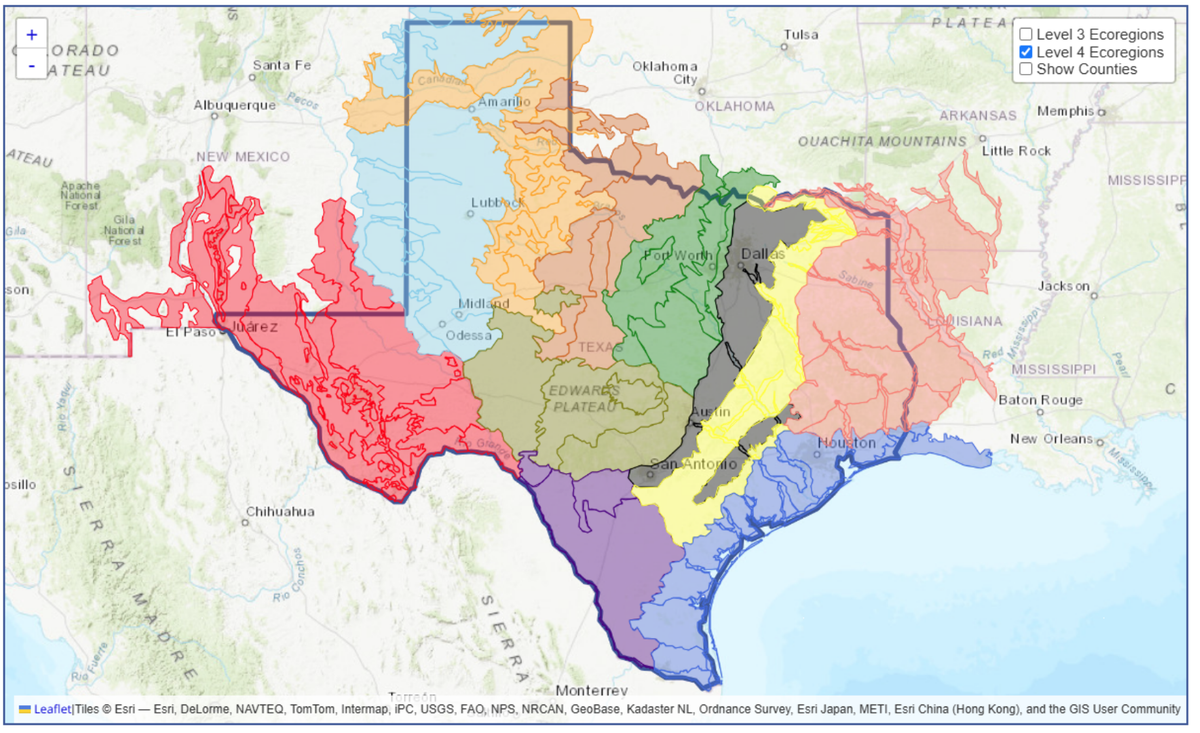
Texas Parks and Wildlife commonly divides the state into 10 natural regions, from the Piney Woods and Gulf Prairies to the Edwards Plateau, High Plains and Trans-Pecos. Rainfall, soil type, elevation and seasonal temperatures differ dramatically among them. That is why a plant can be genuinely Texas native without being locally native or garden-ready in every Texas county.
Start with your ecoregion, then evaluate the planting site. Record its hours of direct sun, drainage and whether the soil is sandy, rocky, loamy or clay-heavy. The Native Plant Society of Texas ecoregion map and plant database can narrow the possibilities.
My Home Park also asks shoppers to verify availability by ZIP code. That extra regional check helps prevent a statewide list from becoming a one-size-fits-all recommendation.
Plan a Native Garden Around Sun Soil and Water
Most flowering prairie plants need full sun, generally six or more hours of direct light. Blackfoot Daisy, Texas Bluebonnet, Indian Blanket, Little Bluestem and many milkweeds favor open, well-drained sites. Partial shade calls for Turk's Cap, Frostweed, Pigeonberry or River Oats.
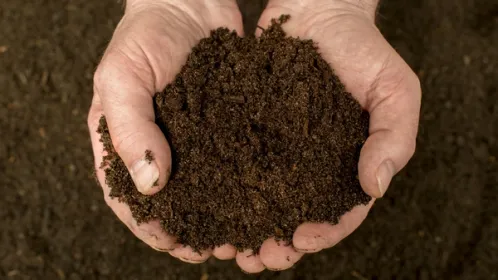
Do not improve every bed in the same way. Adding organic matter can help compacted or severely disturbed soil, but rich compost is unnecessary - and sometimes counterproductive - for plants adapted to lean, rocky ground. Blackfoot Daisy and Blue Grama, for example, can become weak or short-lived when they receive excessive fertilizer or water.
Group plants by moisture requirements. Keep drought-tolerant plants together and species that prefer consistent moisture in a separate zone, preventing overwatering while trying to satisfy both.
Drought Tolerant Texas Native Wildflowers
The following sun-loving flowers are strong candidates for hot, exposed Texas gardens. Always confirm local range and site compatibility before planting.
Texas Bluebonnet
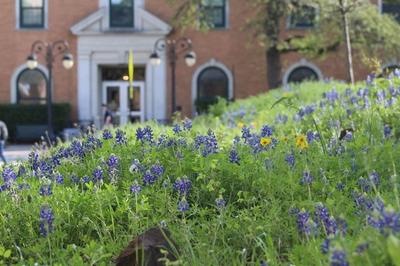
Texas Bluebonnet is the official State Flower of Texas and one of the most recognizable Texas native wildflowers. This cool-season annual forms a low winter rosette, then sends up blue and white flower spikes in early spring. It thrives in full sun and well-drained soil.
Because Texas Bluebonnet is an annual, its future presence depends on seed. Allow the pods to mature and release seed before cutting the plants back. In suitable ground, a planting can return year after year without behaving like a permanent perennial clump.
Blackfoot Daisy
Blackfoot Daisy forms a compact mound covered with crisp white flowers and yellow centers from spring into fall. It is particularly well suited to sunny edges, rock gardens and limestone-influenced landscapes where drainage is sharp.
This is a plant that can receive too much kindness. Frequent irrigation, rich soil and heavy organic mulch can shorten its life. Give it intense sun, lean ground and room around the crown, and its flowers will attract bees and butterflies through long stretches of Texas heat.
Indian Blanket
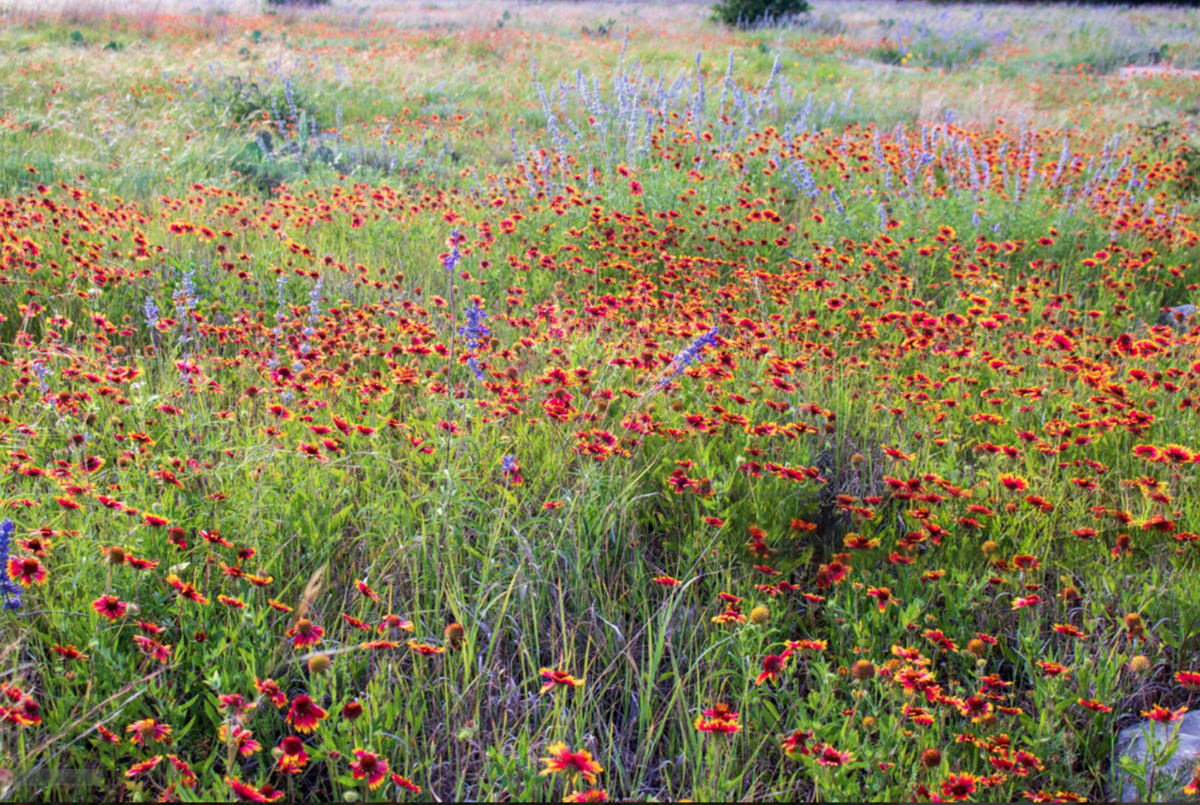
Indian Blanket brings bands of red, orange and yellow to sunny beds and meadows. Often grown as an annual or short-lived perennial, it blooms over a long season and reseeds readily where it finds exposed soil.
Its open flowers attract bees and butterflies, and its tolerance for drought and disturbed ground suits informal plantings. Pair it with fine-textured native grasses for structure after peak bloom.
Mexican Hat or Prairie Coneflower
Prairie Coneflower, commonly called Mexican Hat, carries drooping yellow or rust-colored petals beneath an elongated central cone. It thrives in full sun, tolerates drought once established and brings movement to naturalistic borders.
Plant Mexican Hat in groups rather than as a single specimen. Native bees visit the flowers, birds can use the seed, and its airy habit allows Little Bluestem or Blue Grama to show through.
Mealy Blue Sage
Mealy Blue Sage produces blue-purple flower spikes over a long warm-season bloom period. It handles full sun and Texas heat while supplying nectar to bees, butterflies and hummingbirds.
Unlike a low groundcover, this sage adds an upright layer to the garden. Combine it with Blackfoot Daisy at the front and a native grass behind it for a simple planting that balances color, structure and wildlife value.
Purple Coneflower and Black Eyed Susan in Texas
Eastern Purple Coneflower Echinacea purpurea
Eastern Purple Coneflower, or Echinacea purpurea, is a familiar pollinator plant with pink-purple petals and a prominent orange cone. Purple Coneflower attracts bees and butterflies in summer, and birds may feed on its seeds later in the year. Its native distribution and performance are strongest in the eastern portion of the state, so it should not be treated as a universal West Texas choice.
Black Eyed Susan
Black-Eyed Susan is another widely recognized native wildflower, particularly appropriate in parts of northern and eastern Texas. It usually behaves as a short-lived perennial or biennial and benefits from being allowed to reseed. Both plants illustrate why statewide popularity should be checked against regional nativity and actual soil moisture.
Native Grasses for Texas Gardens
Native grasses add more than green filler. Their roots hold soil, their foliage provides cover, and their seedheads feed birds and create winter structure. They also help visually support flowering plants so a native garden looks intentional after summer blooms fade.
Little Bluestem
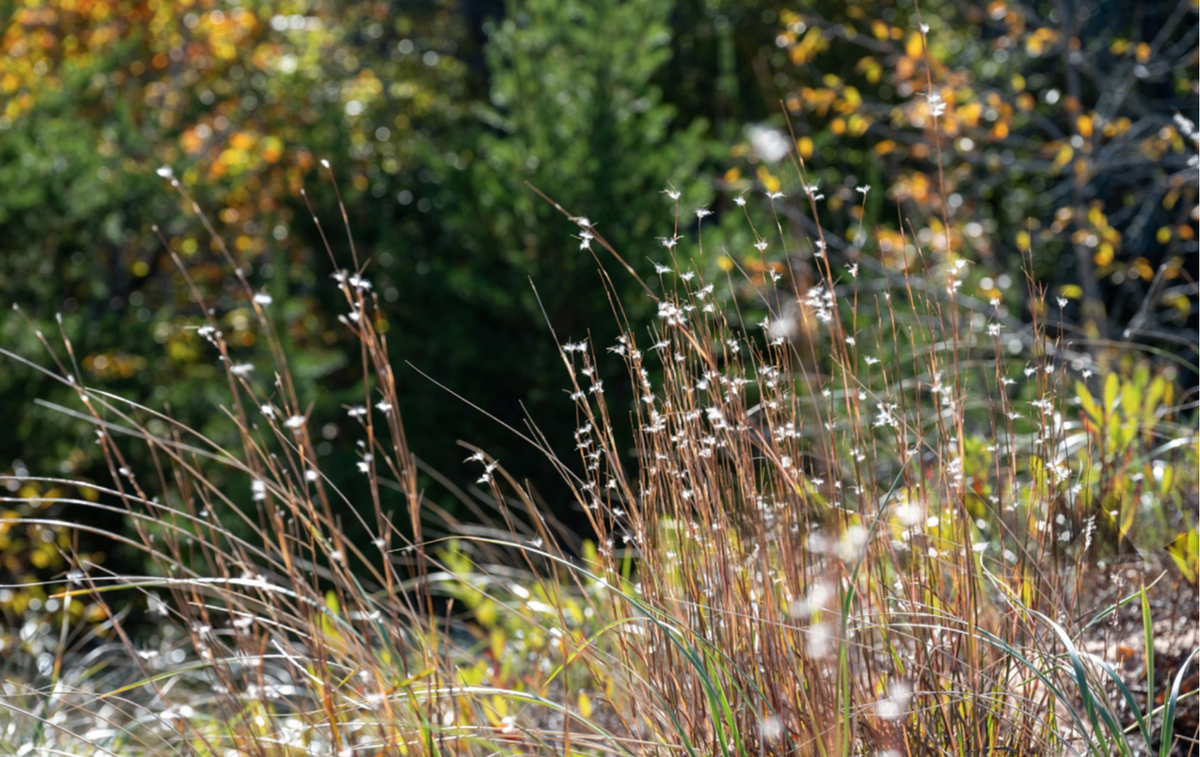
Little Bluestem is a warm-season bunchgrass with blue-green summer foliage that shifts toward copper, red and bronze in fall. Silvery seedheads catch low light and remain attractive into winter.
Plant it in full sun with dry to medium, well-drained soil. Little Bluestem can flop when shaded, overwatered or fertilized heavily, so leaner conditions often produce the best upright form.
Blue Grama and Side Oats Grama
Blue Grama stays relatively low and produces horizontal, eyelash-like seedheads. It excels in dry, sunny ground and is especially useful in western Texas landscapes, meadow plantings and low-water lawn alternatives.
Side-Oats Grama is another adaptable native grass, recognizable by oat-like florets lining one side of each flowering stem. Both grasses provide fine texture, wildlife cover and soil stabilization without the bulk of a large ornamental grass.
Gulf Coast Muhly
Gulf Coast Muhly is famous for clouds of pink-purple fall flowers. It performs best in sun and can handle moisture better than many dryland grasses, making it a natural fit for parts of coastal and central Texas. Where Gulf Coast Muhly is not regionally appropriate, Little Bluestem can provide warm fall color with a wider prairie character.
Texas Native Plants for Partial Shade
Shade in Texas does not have to mean ivy, liriope or other non-native plants. Woodland edges and the filtered light beneath open-canopied trees can support flowers, groundcovers and grasses adapted to lower light.
Turk's Cap
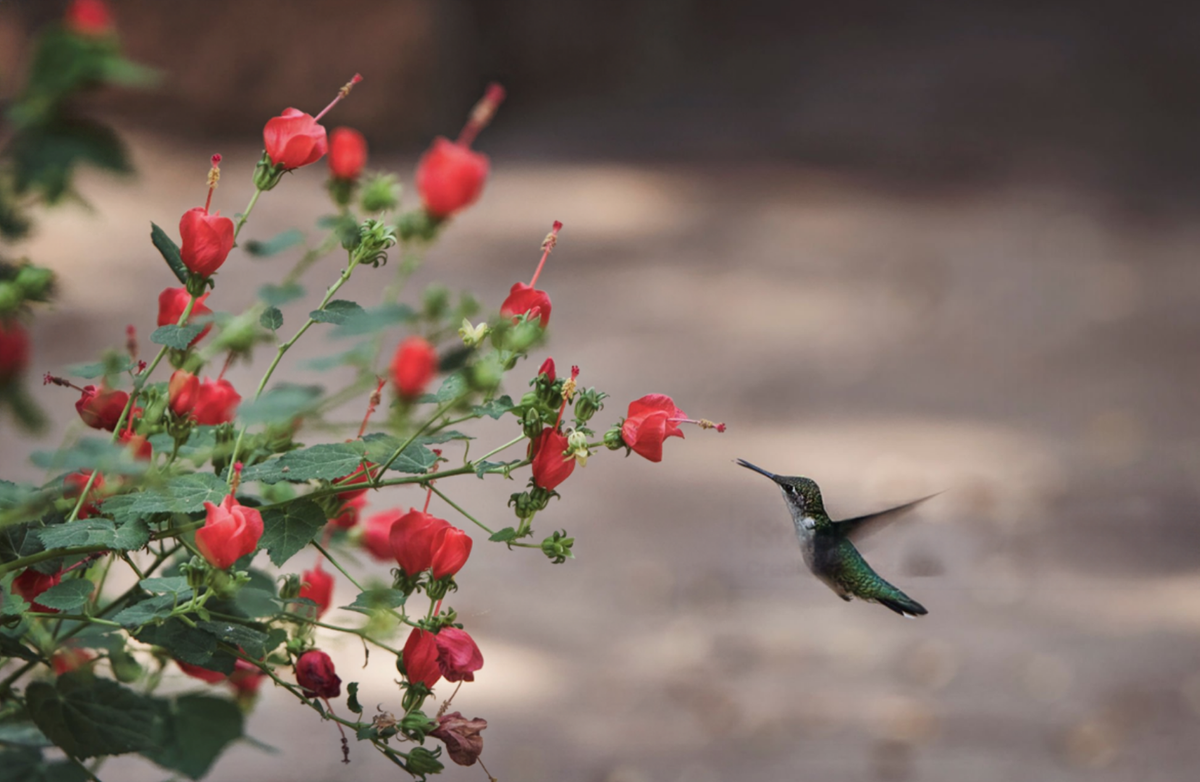
Red Turk's Cap is a dependable choice for partial shade, though it can also grow in more sun when moisture is adequate. Its curled red flowers are especially attractive to hummingbirds, and the plant can form a substantial mass over time.
Use Turk's Cap where it has room to spread, or prune it to maintain a more compact form. Its foliage gives shaded beds a lush appearance even when fewer flowers are open.
Frogfruit Horseherb and Pigeonberry
Frogfruit creates a spreading mat in sun to partial shade. Its flowers feed small pollinators, and its foliage hosts several butterfly caterpillars. Try it between stepping stones or as a flowering lawn alternative where spreading is welcome.
Horseherb is another low groundcover that tolerates shade and foot traffic, while Pigeonberry adds delicate flowers and red fruit. These are natural-looking plants, not rigid edging species, so use them where a relaxed woodland character suits the landscape.
Frostweed and River Oats
Frostweed brings white flowers to partly shaded gardens in late summer and fall, when nectar can be especially valuable to pollinators. Its stems may also form delicate ribbons of ice during the first hard freezes.
River Oats supplies arching foliage and dangling seedheads in shade or partial shade. It can reseed enthusiastically in favorable conditions, so remove seedheads or thin seedlings if you want a tidier planting.
Native Trees and Shrubs Require Regional Matching
Texas Sage is a superb drought-tolerant shrub for southern and western Texas, where sun, heat and sharply drained soil suit it. It can grow several feet tall and respond to humidity or rainfall with lavender flowers. It is far less appropriate for a wet, shaded East Texas bed.
Southern Magnolia offers the opposite lesson. This evergreen native tree belongs naturally to moist woodlands of East Texas and the broader Southeast. Southern Magnolia should not be grouped with Texas Sage simply because both are Texas native plants; their water, soil and regional requirements differ profoundly.
Red Yucca provides a more compact architectural option for sunny, dry landscapes. Its evergreen leaves and tall coral-red flower stalks create strong structure and attract hummingbirds without requiring the space of native trees.
Pollinator Power from Milkweeds Beebalms and Asters
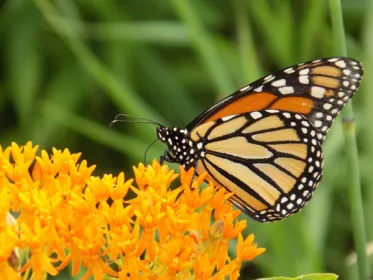
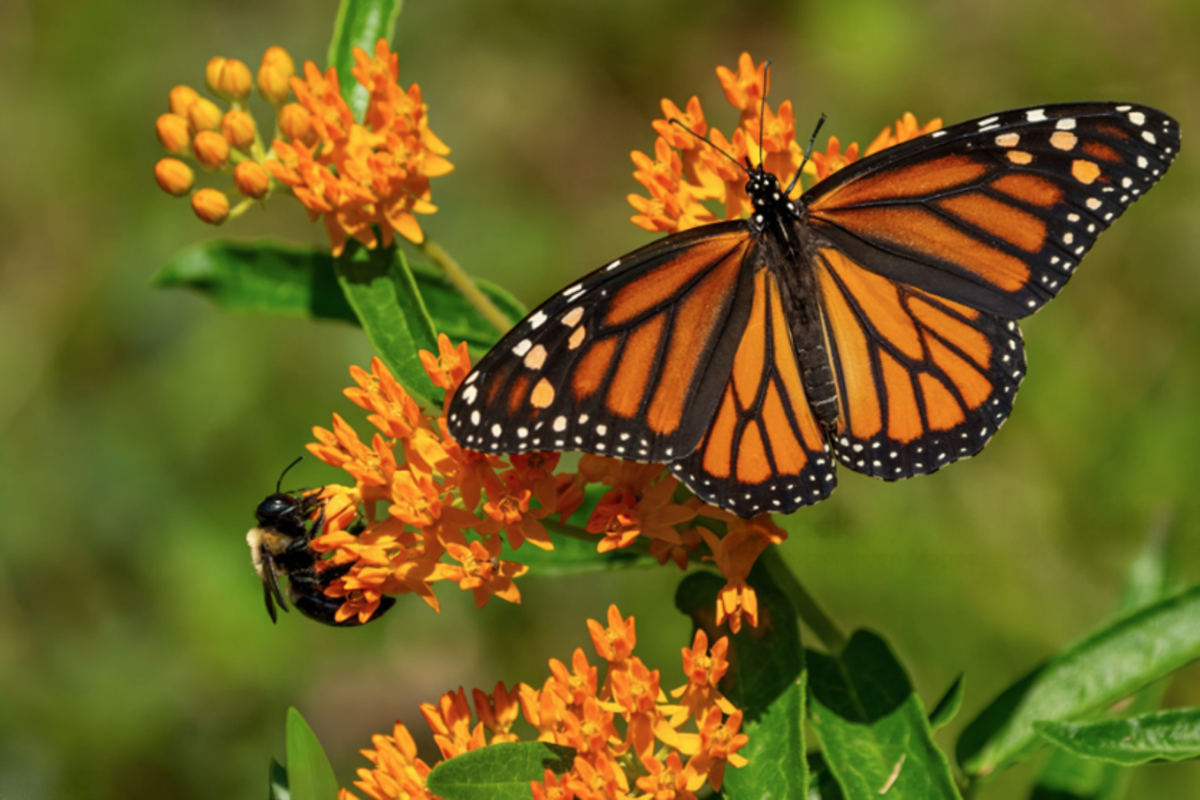
Milkweeds are essential host plants for monarch caterpillars and also provide nectar to native pollinators. Texas gardeners can choose among regionally appropriate options such as Antelopehorn Milkweed, Spider Milkweed, Whorled Milkweed and Butterfly Milkweed.
Spotted Beebalm, Lemon Beebalm and Wild Bergamot extend the menu for bees, butterflies and other beneficial insects. Their aromatic foliage can also make them less appealing to deer, although no plant is completely deer-proof.
For late-season color, Aromatic Aster supplies violet flowers when many summer species have finished. A garden that combines spring, summer and fall blooms provides more dependable food than one built around a single peak month.
How to Plant and Maintain a Native Garden
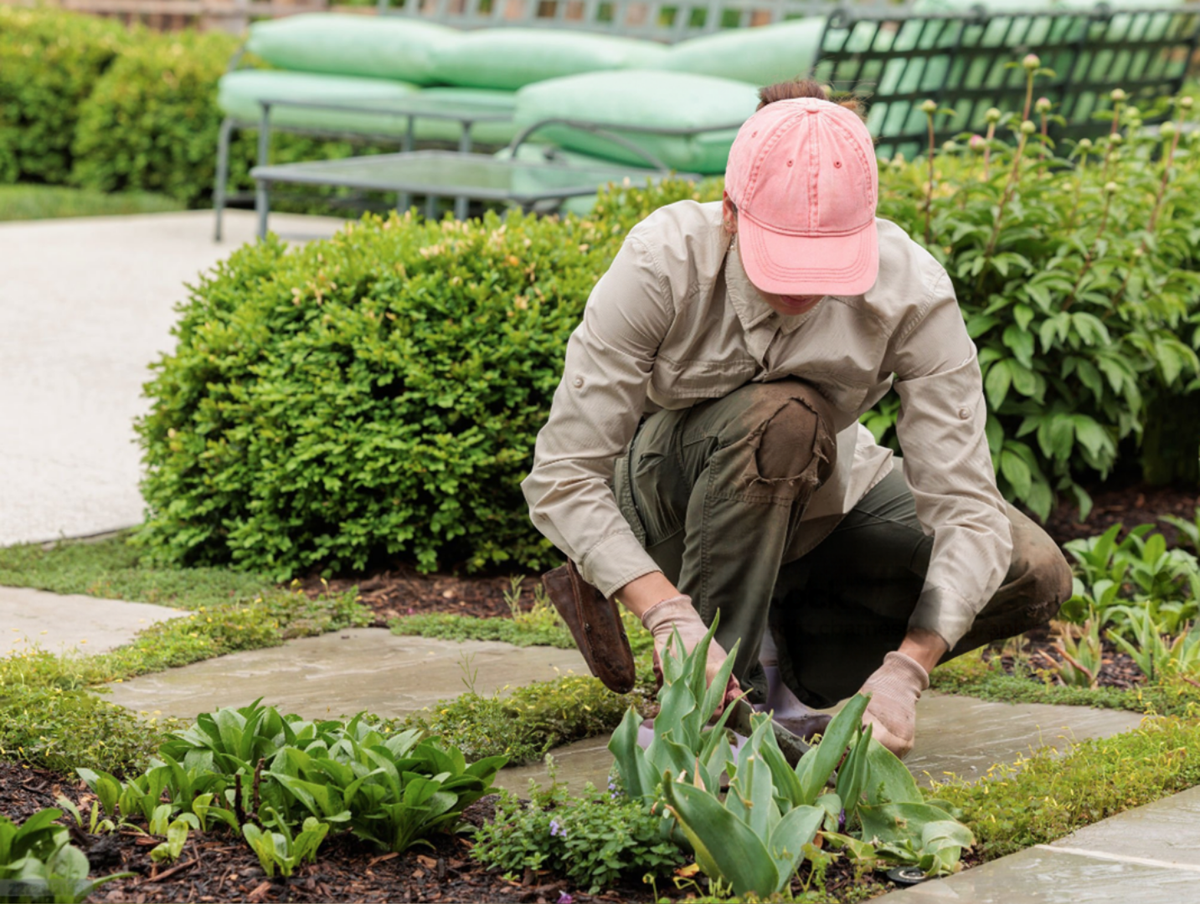
Fall is often an excellent planting season for Texas native perennials, grasses, shrubs and trees because cooler temperatures reduce stress while roots begin establishing. Spring planting can also work, but new plants will need closer attention as summer heat arrives. Avoid planting during the most punishing hot, dry periods when possible.
Water immediately after planting, even if the soil seems moist. Continue monitoring through the first growing season rather than assuming drought-tolerant plants can survive without help. Water deeply enough to moisten the root zone, then allow the soil to move toward the moisture level preferred by that species before watering again.
After establishment, many drought-adapted Texas plants perform well with deep, infrequent watering. Moisture-loving natives differ, and not every native needs less water than every non-native. Site matching matters more than the label alone.
Apply mulch carefully to conserve moisture, moderate soil temperature and suppress weeds, but keep it away from stems and crowns. Organic mulch suits many woodland plants; mineral mulch may be better around species adapted to rocky, sharply drained ground.
Use fertilizer sparingly. Many native plants maintain sturdier growth and better drought resistance in modest soils, while excessive nitrogen can produce weak stems and fewer flowers. Correct a documented deficiency rather than feeding the entire native garden automatically.
Leave some stems and seedheads standing through winter. Birds may eat the seeds, insects can shelter in stems, and grasses keep contributing form after summer.
Build Your Own Texas Native Plant Garden
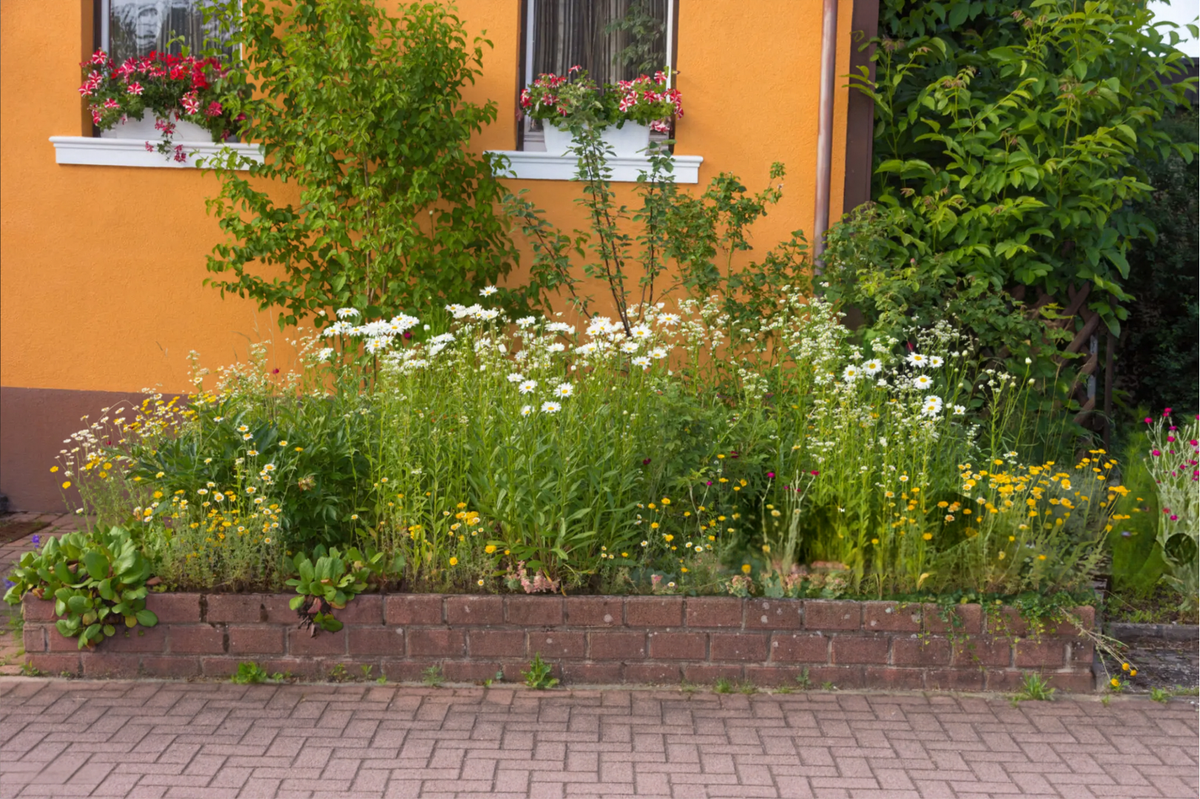
A successful planting rarely depends on one perfect species. Combining groundcovers, flowers and grasses creates layers, extends the bloom season and makes the landscape more useful to wildlife.
My Home Park's Build Your Own Garden feature lets Texas gardeners assemble a mixed tray of 25 or 50 plants. It is a practical option when you want enough repetition for a cohesive garden while still choosing plants for your particular sun, soil and ecological goals.
Gardeners who need smaller quantities can browse the full native plant catalog and purchase many Texas species in groups of three or six. Enter your ZIP code before ordering to verify availability and native range for your location.
Start with the conditions you actually have, select plants that belong in your region, and repeat a manageable number of species rather than buying one of everything. That approach produces a Texas native garden that feels designed from the beginning and becomes richer as its plants establish.
Helpful Texas Native Plant Resources
· Texas Parks and Wildlife Texas Ecoregions
· Native Plant Society of Texas Ecoregion Map
· Native Plant Society of Texas Plant Database
· Lady Bird Johnson Wildflower Center Native Gardening Guide
Share this article