Full Sun Plants for Texas The Thrive in Heat

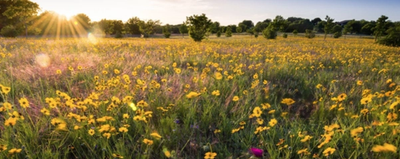
The best full sun plants for Texas continue growing through long summer days, fit their region's soil and rainfall, and recover from heat without constant care. Texas native plants also support bees, butterflies, hummingbirds and other wildlife.
This guide is for gardeners planning exposed beds, pollinator gardens and other sunny conditions. It covers native perennials, grasses and small shrubs available from My Home Park, with advice for choosing and caring for them.
What Full Sun Means in a Texas Garden
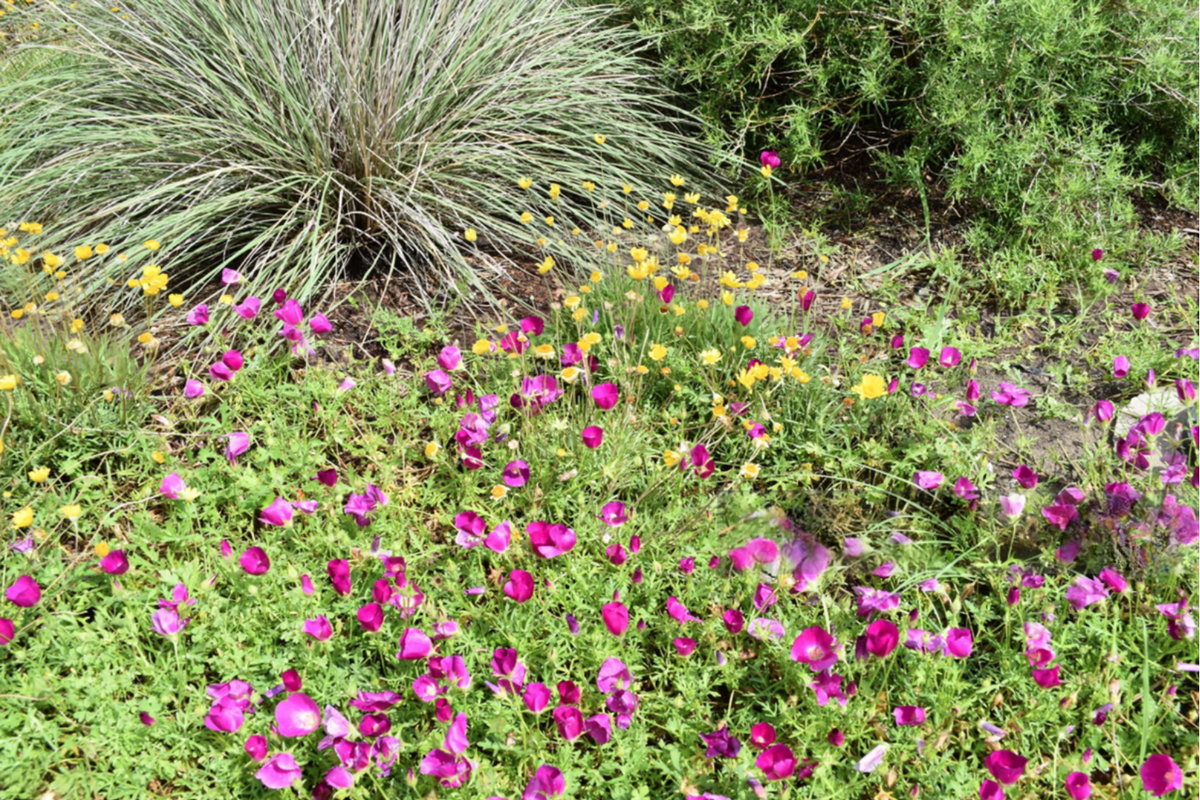
Full sun generally means at least six hours of direct sunlight each day. That definition is only a starting point in Texas. Six hours of morning sun differs from an afternoon exposure beside a west-facing wall, where reflected heat can raise temperatures around leaves and soil.
Observe the bed across a clear day in late spring or summer. Record when direct light begins and ends, then note pavement or masonry that radiates heat. A site with four to six hours may be part sun, while bright filtered light is partial shade. For fewer than six direct hours, choose plants recommended for part shade rather than stretching a full sun label.
Full sun does not automatically mean dry soil, and drought tolerant does not mean a plant can skip establishment water. A sunny low spot may hold moisture after rain, while a sloped bed may drain within hours. The right plants must match light, drainage and regional climate.
Match Texas Native Plants to Your Part of Texas
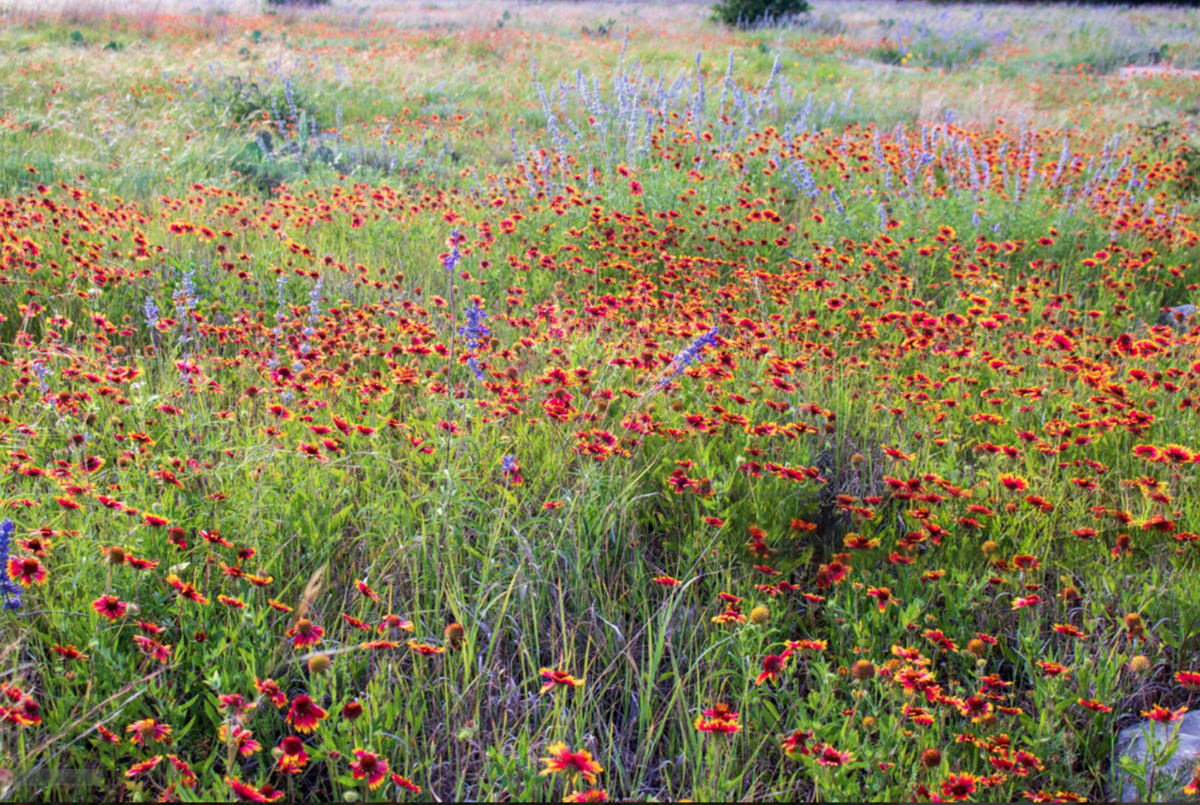
Texas contains deserts, prairies, forests, marshes and coastal habitats. Annual rainfall ranges dramatically across the state, and winter lows in North Texas differ from those along the Gulf Coast. A plant that is hardy in Dallas may struggle with Houston humidity, while a species well suited to Central Texas limestone may dislike deep East Texas sand.
Use the Native Plant Society of Texas ecoregion map and plant database before treating any statewide list as a universal prescription. Check the species' native range, mature size, preferred soil and tolerance for wet feet. When shopping My Home Park, enter your ZIP code to see plants selected for your area.
Best Drought Tolerant Native Perennials and Flowering Plants for Full Sun
The following Texas native plants offer a useful mix of forms, bloom times and colors. Most are drought tolerant after establishment, but their ranges and soil preferences still matter. Choose the candidates that fit your region rather than planting every species together.
Texas Lantana
Texas Lantana (Lantana urticoides) is a heat-loving native shrub for full sun. Its flower clusters open yellow and shift through orange to red, creating bold color through much of summer and into fall. The blooms attract butterflies and hummingbirds.
Texas Lantana becomes drought tolerant once established, but it needs regular watering during its first growing season. Give this deciduous shrub room to spread, and wait for fresh spring growth before assuming winter has killed it. Do not confuse native Lantana urticoides with similarly named non-native lantanas.
Four Nerve Daisy
Four-nerve Daisy is a compact native perennial with yellow flowers on leafless stems. The cheerful blooms may appear from early spring into fall, often pausing during the most punishing dry periods and returning when conditions improve.
This drought tolerant, low maintenance plant performs best in full sun and lean, well drained soil. It is a natural choice for rock gardens, bed edges and mass plantings where its small scale will remain visible. Avoid wet feet, rich amendments and frequent irrigation around the crown.
Blackfoot Daisy
Blackfoot Daisy forms low mounds covered in white flowers with yellow centers. This drought tolerant perennial handles heat in limestone, gravel and other dry areas, providing a softer texture beside Red Yucca or native grasses.
Well drained soil is essential. Blackfoot Daisy can decline in humid, overwatered beds, so keep mulch away from the crown and allow the soil surface to dry. Its compact habit also makes it a useful low maintenance plant for large containers that drain freely.
Red Yucca
Red Yucca carries evergreen, arching foliage and tall flower stalks lined with coral-red flowers. The tubular blooms are especially valuable to hummingbirds, and the foliage provides year-round visual interest after flowering ends.
Plant Red Yucca in full sun and well drained soil. This highly drought tolerant plant works as a repeated structural accent after establishment. Leave enough room for the rosette and arching stems rather than squeezing it against a path.
Mealy Blue Sage
Mealy Blue Sage (Salvia farinacea) produces spikes of blue to purple flowers from late spring through summer. Bees and butterflies visit the blooms, while the upright form fits easily among lower perennials.
This Texas native is drought tolerant after its roots develop, although occasional deep watering can prolong summer color. Full sun encourages the strongest bloom, but part shade may help in especially hot, humid areas. Cut tired stems back modestly to encourage fresh growth rather than shearing the whole plant repeatedly.
Zexmenia
Zexmenia is a relaxed subshrub with yellow-orange flowers and rough gray-green leaves. It blooms from late spring into fall and supports butterflies and other pollinators through hot weather.
Zexmenia is drought tolerant in full sun but can also accept part shade. In partial shade it may flower less heavily. Use it in informal beds, pollinator gardens and naturalistic mass plantings.
Prairie Coneflower and Indian Blanket
Prairie Coneflower, also called Mexican Hat, carries yellow and rust-red flowers above an airy base. Indian Blanket adds red, orange and yellow flowers from late spring into summer. Both thrive in open sun and well drained soil.
These drought tolerant, short-lived plants maintain their presence by setting seed. Leave selected seedheads for birds and new seedlings, then thin crowded growth. Their loose forms pair well with native grasses and longer-lived native perennials.
Texas Bluebonnet and Lemon Beebalm
Texas Bluebonnet supplies blue flowers in early spring, while Lemon Beebalm follows with lavender to purple flowers and fragrant foliage in late spring and early summer. Both add seasonal movement rather than permanent evergreen structure.
Allow these species to flower and set seed if you want them to return. These Texas natives are useful between longer-lived native perennials that emerge later in the growing season.
Butterfly Milkweed and Antelopehorn Milkweed
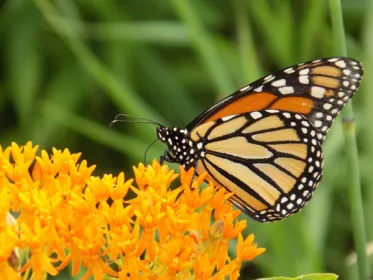
Butterfly Milkweed produces orange flowers in sunny, well drained beds. Antelopehorn Milkweed bears pale green and cream flowers with purple accents in dry prairie and rocky settings within its range.
Both milkweeds host monarch caterpillars and feed adult pollinators. Their deep roots make mature plants drought tolerant, but they resent wet feet and can be slow to emerge in spring. Confirm regional suitability before choosing a milkweed solely for its flower color.
Little Bluestem and Blue Grama
Little Bluestem and Blue Grama bring fine foliage, seedheads and winter structure to full sun beds. Little Bluestem develops copper and bronze fall color, while Blue Grama stays lower and displays distinctive horizontal seedheads.
These hardy, drought tolerant grasses handle heat after establishment. Avoid excess fertilizer, which can cause floppy growth. Leave stems through winter for birds and visual interest, then cut them back before new spring growth begins.
Build Full Sun Beds Around Bloom Color
Yellow and Orange Flowers
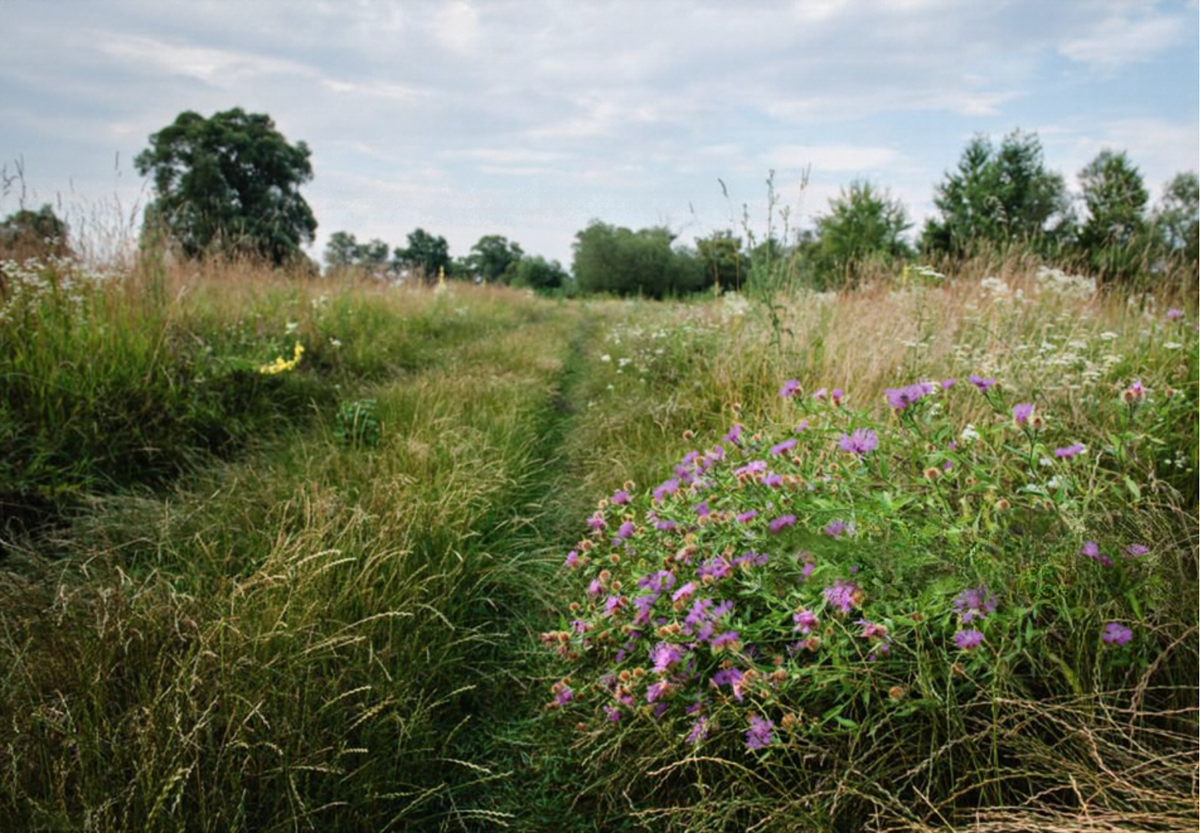
Four-nerve Daisy and Blackfoot Daisy place yellow centers near the bed edge. Prairie Coneflower and Indian Blanket carry orange and red flowers higher into the planting, while Texas Lantana continues warm color through summer. Mixing native perennials with reseeding annuals avoids reliance on one brief bloom period.
Red and Pink Flowers
Red Yucca provides upright red flowers for hummingbirds. Scarlet Sage adds red flowers over a long growing season, and Pink Evening Primrose spreads through sunny beds with soft pink flowers. Give spreading perennials boundaries where a tidy edge matters.
Blue and Purple Flowers
Texas Bluebonnet begins the display in early spring. Mealy Blue Sage extends blue and purple flowers into summer, and Dotted Blazing Star adds purple blooms from late summer into fall. Aromatic Aster can carry purple flowers into late fall. Combining different bloom windows gives bees and butterflies a more reliable sequence of food.
Full Sun Plant Choices for North Texas
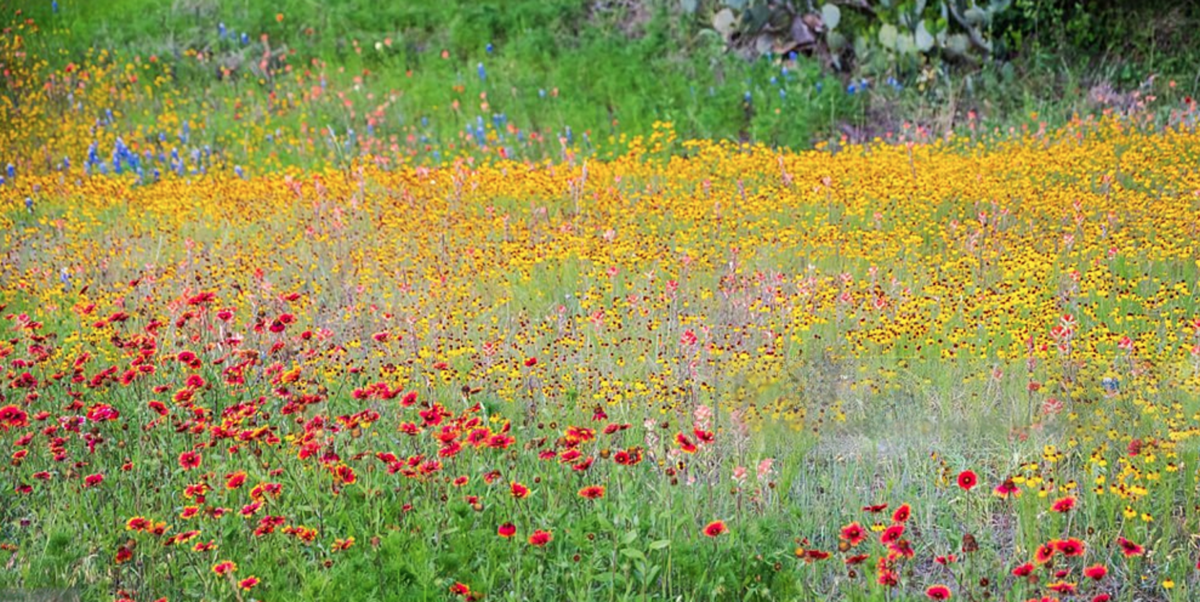
North Texas combines intense summer heat with colder winters and, in many areas, heavy clay. Hardy, drought tolerant native perennials such as Prairie Coneflower, Four-nerve Daisy, Mealy Blue Sage, Aromatic Aster and Little Bluestem can work well where their local ranges fit. Aromatic Aster is useful for late fall color.
Drainage may be the greater challenge than drought. Place plants that dislike wet feet on a gentle mound or slope, and avoid digging an isolated planting hole that collects water in clay. Black-eyed Susan can provide yellow summer blooms in North Texas, but it generally appreciates more moisture than the driest rock-garden species.
Full Sun Plant Choices for Central and South Texas
Rocky, alkaline Central Texas sites can suit Texas Lantana, Red Yucca, Blackfoot Daisy, Four-nerve Daisy, Zexmenia and Mealy Blue Sage. In South Texas, heat and drought tolerance become especially valuable, but regional nativity and cold hardiness still deserve attention.
Autumn Sage (Salvia greggii), Rock Rose and Texas Sage are familiar full sun shrubs for appropriate regions. Autumn Sage offers red, pink or purple flowers for hummingbirds. Site Autumn Sage (Salvia greggii) in well drained soil and prune it lightly rather than repeatedly shearing it. Rock Rose tolerates sun or part shade and opens pink flowers, while Texas Sage is an evergreen shrub that needs excellent drainage. These drought tolerant plants are well suited to many Central and South Texas gardens, though they are not among the individual species linked above.
Black Eyed Susan and Plants That Need More Context
Some plants appear repeatedly on generic Texas lists without enough regional detail. Black Eyed Susan can be a valuable Texas native in the northern and eastern part of the state, but it is not the best choice for every dry western bed. Palmleaf Mistflower provides abundant purple flowers for butterflies, yet it may need more moisture than Blackfoot Daisy or Red Yucca.
Pride of Barbados and Desert Rose thrive in heat and full sun, but the plants commonly sold under those names are not Texas native. Desert Marigold is a drought tolerant southwestern native best suited to hot, dry western conditions. A native-focused garden should distinguish plants that tolerate Texas conditions from species that belong to the local plant community.
Can Texas Native Plants Grow in Containers
Containers let gardeners add flowers to patios and paved spaces, but pots heat and dry much faster than in-ground beds. Even drought tolerant native plants need closer watering when their roots cannot reach beyond a container. Use a large pot with unobstructed drainage and match its mature size to the plant.
Blackfoot Daisy, Four-nerve Daisy, Mealy Blue Sage and Scarlet Sage can work in roomy containers. Frogfruit can spill over an edge but needs more consistent moisture. Hanging baskets are especially exposed to sun and wind, so they rarely function as a low maintenance or drought tolerant option through a Texas summer.
Design a Low Maintenance Full Sun Garden
Use mass plantings instead of scattering one of every species. Repeating three to seven native perennials makes flowers easier to see and gives pollinators a useful target. Combine low plants at the edge, medium flowering plants in the center, and grasses or shrubs for winter structure.
Group plants by mature water needs. A drought tolerant rock-garden plant should not share irrigation with a species that prefers moist soil. Leave room between crowns for airflow, but cover most open ground as the planting matures. Place species that accept partial shade or part shade along the less exposed edge.
Care for Full Sun Plants Through the First Year
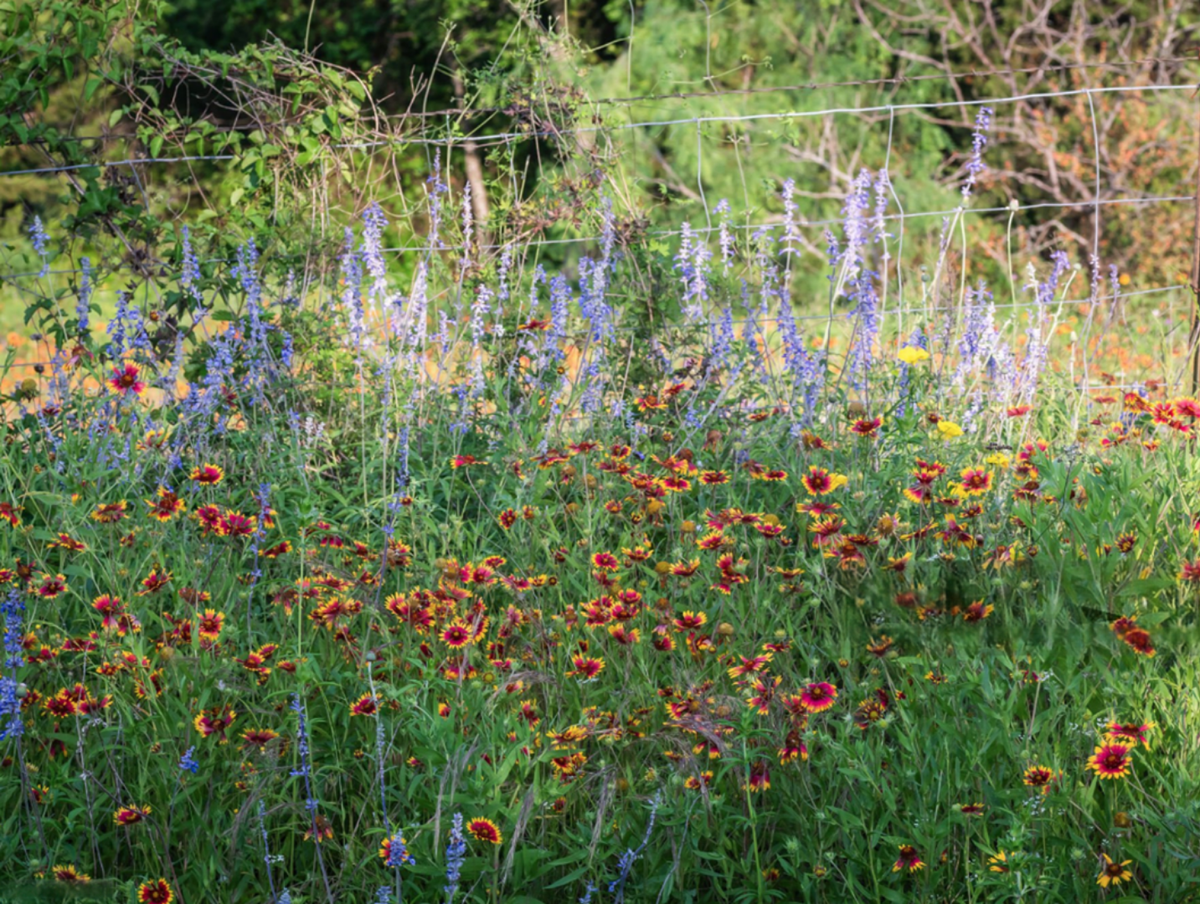
Water each plant thoroughly at installation. During the first growing season, check moisture at root depth and water deeply as the soil approaches that species' dry range. Reduce frequency as roots expand, but do not force a new drought tolerant plant to survive on rainfall alone, especially during mid summer heat and drought.
Apply mulch where it helps moderate soil temperature and moisture loss, but keep it away from stems and crowns. Gravel or a thin mineral mulch may suit drought tolerant native plants adapted to rocky soil better than a deep layer of wood chips. Never use mulch to hide standing water or poor drainage.
Fertilize only when a soil test or clear deficiency supports it. Many drought tolerant, sun-loving perennials flower and stand better in lean soil. Remove damaged growth, cut back grasses before spring growth, and leave selected seedheads through fall and winter for birds.
Build Your Own Texas Full Sun Garden
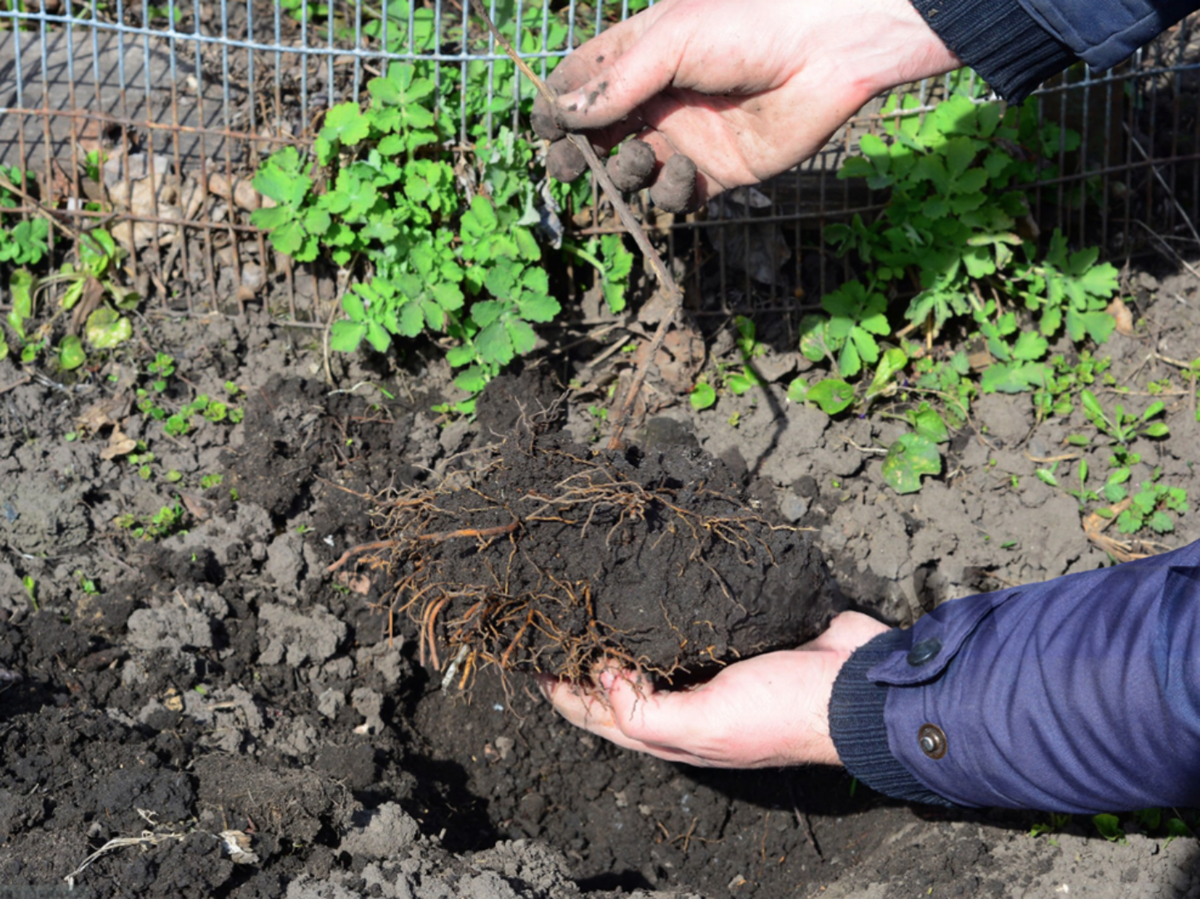
A successful sunny garden starts with the right plants for the site, then repeats them in enough quantity to create a recognizable design. Choose a low flowering edge such as Four-nerve Daisy, a long-blooming middle layer such as Mealy Blue Sage or Texas Lantana, and structure from Little Bluestem, Blue Grama or Red Yucca. Add spring and fall bloom so the garden does not peak only in mid summer.
My Home Park's Build Your Own Garden feature lets you assemble a mixed tray of 25 or 50 plants. For smaller groupings, browse the full Texas native plant catalog, where many individual species are available in packs of three or six.
Enter your ZIP code before ordering, confirm the light and drainage in each bed, and plan for establishment watering. Those simple checks turn a list of full sun perennials into a garden that can handle heat and provide flowers and habitat for years.
Helpful Texas Native Plant Resources
· Native Plant Society of Texas Ecoregion Map
· Native Plant Society of Texas Plant Database
· Native Plant Society of Texas Guide to Texas Lantana
· Lady Bird Johnson Wildflower Center Native Plant Collections
· Lady Bird Johnson Wildflower Center Guide to Caring for New Plants
Share this article