How Native Plants Create Drought-Tolerant, Water-Saving Landscapes in California

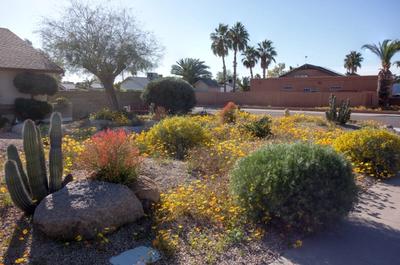
Water conservation is one of the most important considerations for landscaping in California. With recurring droughts, rising water costs, and increasing pressure on local water supplies, homeowners are looking for ways to reduce irrigation without sacrificing beauty or functionality.
When thoughtfully designed and properly established, native landscapes can dramatically reduce water use while creating healthy, resilient gardens that thrive on California’s natural rainfall patterns.
Why California Native Plants Use Less Water
California native plants evolved in a climate defined by wet winters and long, dry summers. As a result, they are adapted to survive, and even thrive, with far less supplemental irrigation than conventional lawns and ornamental plantings.
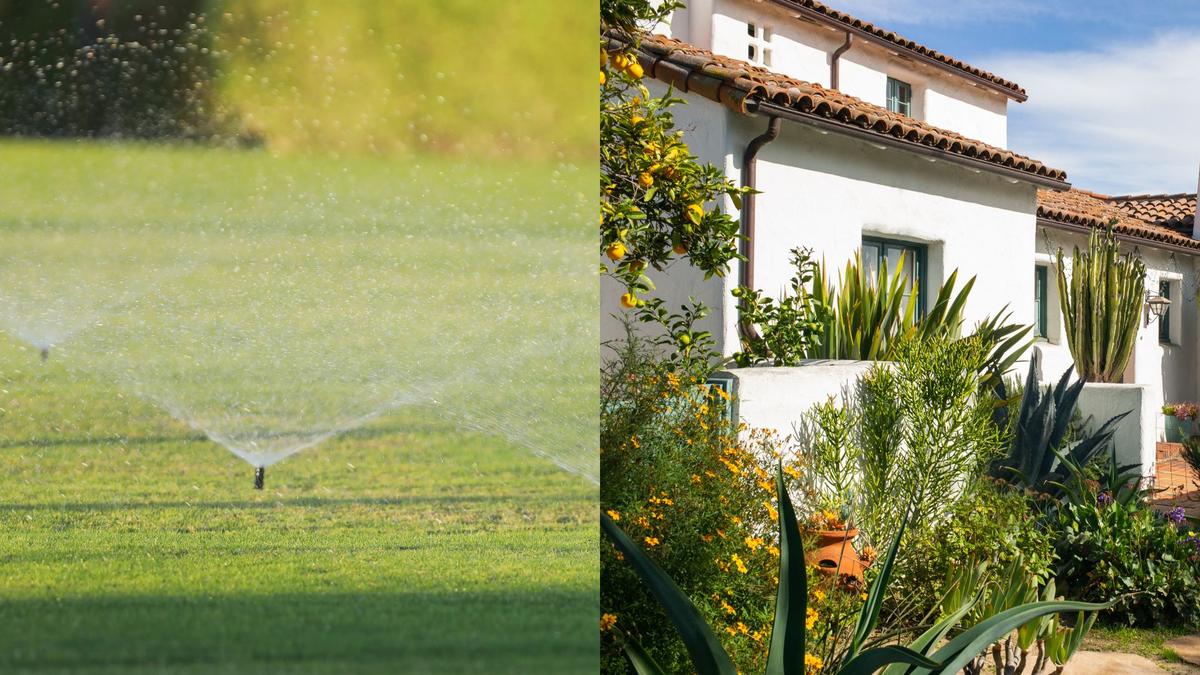
A well-designed drought-tolerant native garden can use approximately 50–85% less water per year than a traditional turf-heavy landscape. Once established, many native plants, particularly those from dry or coastal habitats, can rely almost entirely on seasonal rainfall, with little to no summer watering.
In contrast, lawns and many non-native ornamentals require frequent irrigation to remain green, even during the hottest and driest months of the year.
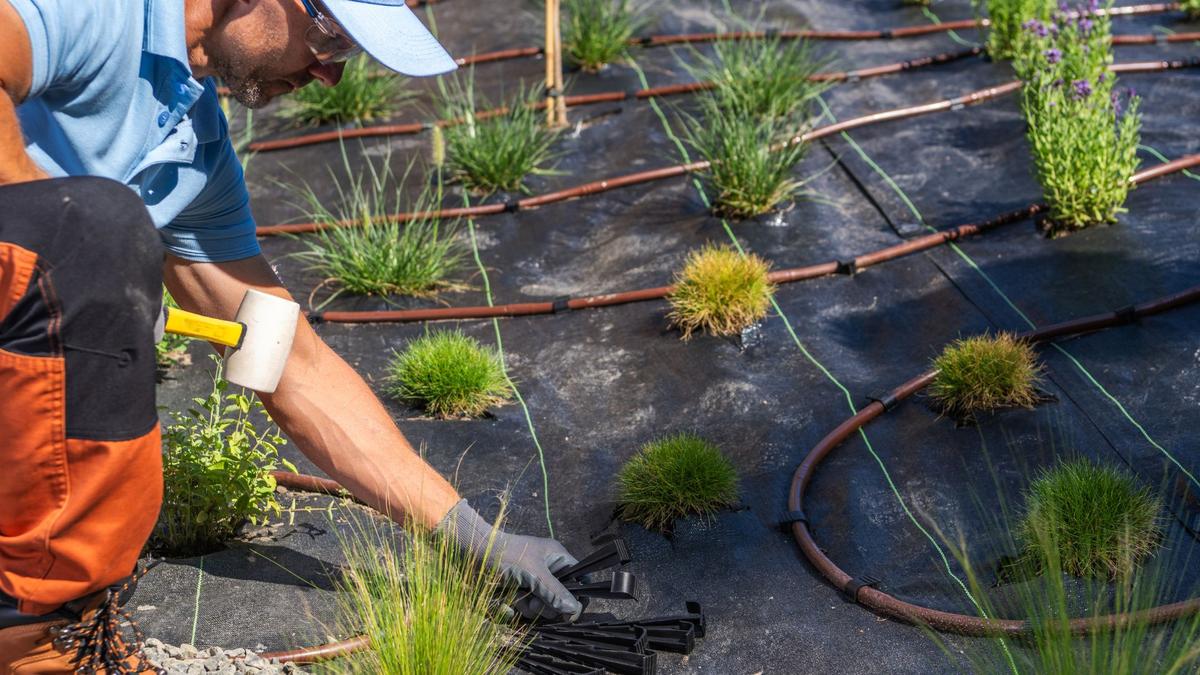
Deep Roots, Healthier Soils, and Better Water Retention
One of the biggest reasons native plants save water is what happens below the surface.
Native shrubs, grasses, and perennials often develop deep, extensive root systems that allow them to access moisture stored well below the topsoil. This means they can go longer between waterings and remain stable during extended dry periods.
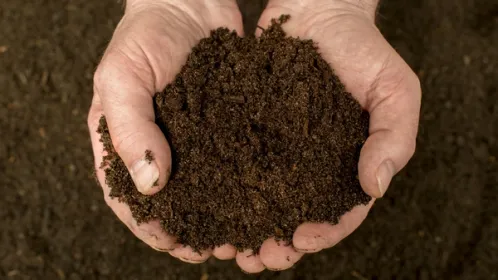
These deep roots also improve soil structure over time. As soil becomes more porous, rainwater infiltrates more effectively instead of running off, helping recharge groundwater and keeping moisture available to plants longer. Healthier soils hold water more efficiently, reducing the need for supplemental irrigation.
Built-In Drought Resilience
Because native plants evolved under California’s natural climate cycles, they are well adapted to long dry spells, seasonal dormancy, and sudden heat waves. Many natives naturally slow their growth during dry periods without suffering permanent damage, a survival strategy that allows them to persist without constant “life support” from irrigation systems.
Using hydrozoning, grouping plants with similar water needs, further increases efficiency. When natives are planted together and mulched appropriately, irrigation can be applied sparingly but effectively, minimizing evaporation and water waste.
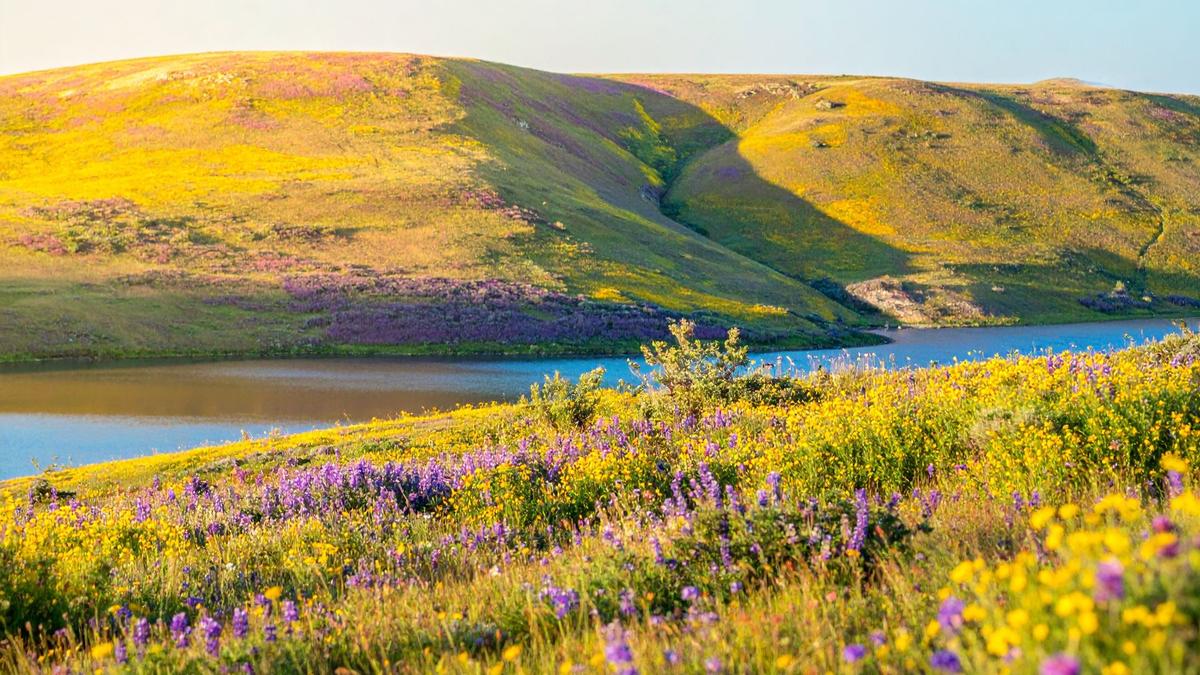
Reduced Inputs, Long-Term Savings
Native plant landscapes typically require far fewer inputs overall. Most California natives do not need fertilizer reducing polluted runoff that can contaminate waterways. Healthier soil biology also improves water-holding capacity, creating a positive feedback loop for water conservation.
Replacing lawn with native plantings is a key component of many California turf replacement and water-efficient landscaping programs because it delivers substantial water savings while also supporting pollinators, wildlife habitat, and climate resilience.
Top Drought Tolerant Native Plants for Southern California
Here are five of the best, most reliable drought-tolerant California native plants, especially for home gardens and low-water landscapes. These are true staples because they look great, support wildlife, and need very little summer water once established.
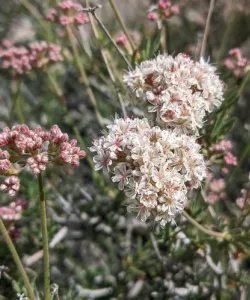
One of the hardest-working native plants you can grow. California buckwheat thrives in full sun, poor soil, and dry conditions. It produces clusters of creamy white to pink flowers that pollinators absolutely love.
- Extremely drought-tolerant once established
- Blooms for months
- Supports native bees and butterflies
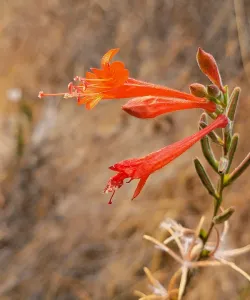
California Fuchsia will quickly light up your garden with a vivid display of bright red flowers from late summer through early fall. These tubular blooms are highly attractive to hummingbirds and other pollinators, providing a crucial nectar source when other flowers are scarce. Growing up to 2 feet in height and spread, if allowed it will form a dense mat of narrow, gray-green leaves, adding a unique texture to rock gardens, borders, and native plant gardens.
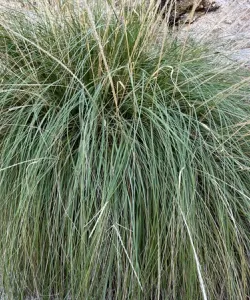
A beautiful native bunchgrass that adds movement and texture to drought-tolerant landscapes. Deergrass is tough, adaptable, and looks great year-round.
- Very low water needs
- Works well in modern or naturalistic designs
- Helps stabilize soil and prevent erosion
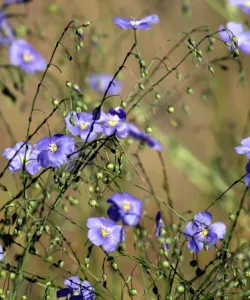
Wild blue flax is a delicate-looking but resilient perennial with soft blue flowers that bloom over a long period. It’s well suited to dry gardens and meadow-style plantings.
- Drought-tolerant once established
- Light, airy texture
- Attracts pollinators
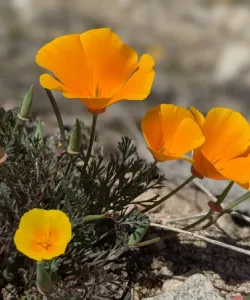
California’s state flower is one of the most drought-adapted native plants available. California poppy thrives in poor, sandy soils and often reseeds naturally with winter rain.
- Very low water needs
- Thrives in full sun
- Excellent for slopes and open areas
A Smarter Approach to Landscaping in a Dry Climate
Drought-tolerant landscaping doesn’t mean giving up lushness or beauty. Native gardens offer texture, seasonal blooms, and year-round interest while using a fraction of the water required by conventional landscapes.
By choosing plants that belong in California’s climate, and designing landscapes that work with natural rainfall patterns rather than against them, homeowners can create gardens that are both visually rewarding and environmentally responsible. Browse our single species native plant options available for direct delivery right to your door, so you can start planting native drought tolerant plants!
Share this article