Texas Drought Tolerant Plants for a Low Water Landscape

Texas drought tolerant plants can keep a garden colorful through heat and dry weather, but no plant is drought-proof from the day it enters the ground. The strongest choices are native plants suited to your part of Texas, planted in the right light and soil, and watered carefully while their roots establish.
This guide is for Texas gardeners who want a low maintenance, lower-water landscape without giving up flowers or wildlife value. It covers drought tolerant native plants available from My Home Park, useful woody plants and the care that makes a dry garden durable.
What Drought Tolerant Means in Texas
A drought-tolerant plant can endure limited moisture after developing an adequate root system. Newly installed plants still have roots confined to their plugs or pots, so they need regular watering during the first growing season.
The terms drought tolerant and drought resistant are often used interchangeably. Neither overrides the planting conditions. A plant may be highly drought resistant in well drained soil yet decline in compacted clay where water collects around its crown.
Heat tolerance also differs from drought tolerance. One plant may survive extreme heat only with moist soil, while another tolerates dry soil but scorches in reflected heat. The best drought resistant plants match the climate and site.
Choose Drought Tolerant Plants for Your Texas Region
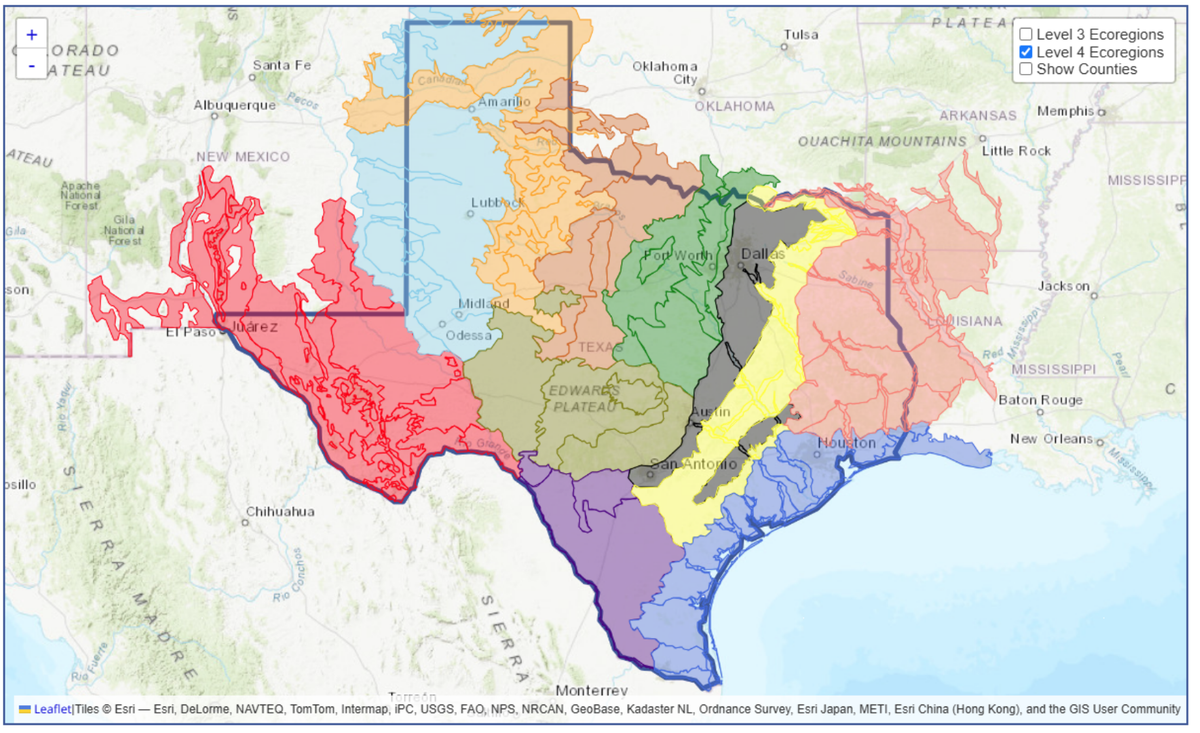
Texas spans multiple ecoregions with large differences in rainfall, winter cold, humidity and soil. A species adapted to rocky Central Texas may struggle in a wet East Texas bed, while a coastal plant may need more moisture than a North Texas xeriscape provides.
Start with regional nativity, then assess the yard itself. Note the hours of full sun, whether the site receives reflected heat, and how quickly the soil drains after rain. Check the Native Plant Society of Texas ecoregion map and plant database, then enter your ZIP code when shopping My Home Park to confirm local availability.
Best Drought Tolerant Native Plants for Texas Gardens
These drought tolerant plants provide a useful starting palette for sunny Texas landscapes. Their regional ranges and preferred soils differ, so treat the list as a set of candidates rather than a universal recipe.
Texas Lantana
Texas Lantana is very drought tolerant after establishment and thrives in full sun and Texas heat. Its showy clusters shift from yellow flowers to orange and red, feeding butterflies and hummingbirds from the warm season into early fall.
This native shrub can become several feet wide, so do not treat it as a compact shrub. It is deciduous and slow to reappear in spring. Wait for new growth, and distinguish native Lantana urticoides from non-native lantanas with similar names.
Four Nerve Daisy
Four-nerve Daisy is a low growing perennial with bright yellow blooms held above a compact base of green foliage. It performs especially well in full sun, lean soil and rock gardens with excellent drainage.
Four-nerve Daisy may flower from early spring into fall. Remove spent stems for a tidier appearance, but avoid rich soil and frequent irrigation, which can shorten the life of this low maintenance, drought resistant plant.
Blackfoot Daisy
Blackfoot Daisy forms a low mound of white flowers with yellow centers. It is one of the strongest landscape plants for limestone, gravel and other poor soil where water drains rapidly.
Place it in full sun and keep organic mulch away from the crown. Blackfoot Daisy can rot in humid or poorly drained sites, so sharp drainage matters as much as minimal watering.
Red Yucca
Red Yucca is a grass like plant with evergreen, arching foliage and tall stalks of tubular red flowers. Those flowers attract hummingbirds, while the leaves provide year round interest in a drought tolerant landscape.
Red Yucca handles sunny conditions, heat and lean soil once established. Well drained soil is essential. Use this low maintenance plant as an accent in rock gardens or repeat it through a larger planting.
Zexmenia
Zexmenia carries bright yellow blooms over rough, gray-green foliage. It is a drought resistant, sun loving subshrub that can flower from late spring into early fall and provide nectar for local wildlife.
Zexmenia accepts full sun or light shade in well drained soil. Its loose shape fits meadow-style beds and informal edges better than clipped foundation plantings.
Prairie Coneflower
Prairie Coneflower, also called Mexican Hat, brings yellow and rust-red flowers to dry, open ground. Its deep root system helps established plants cope with drought, and its airy form works well among native grasses.
This low maintenance plant prefers full sun and well drained soil. Leave some seedheads for birds, or remove seedlings that spread beyond the intended area.
Mealy Blue Sage and Aromatic Aster
Mealy Blue Sage supplies blue to purple flowers over a long season. It is drought tolerant after establishment, although occasional deep watering can extend bloom during prolonged dry periods.
Aromatic Aster adds purple flowers from early fall into late fall. These purple blooms extend color beyond the spring peak and support pollinators when fewer landscape plants are flowering.
Blue Grama and Little Bluestem
Blue Grama and Little Bluestem are drought tolerant native grasses for full sun. Blue Grama stays lower and produces distinctive horizontal seedheads, while Little Bluestem develops copper and bronze fall color.
Both grasses prefer modest fertility. Excess fertilizer and water can weaken Little Bluestem. Their roots stabilize soil, their seedheads attract birds, and their foliage provides low maintenance structure after flowers fade.
Drought Resistant Plants for Full Sun
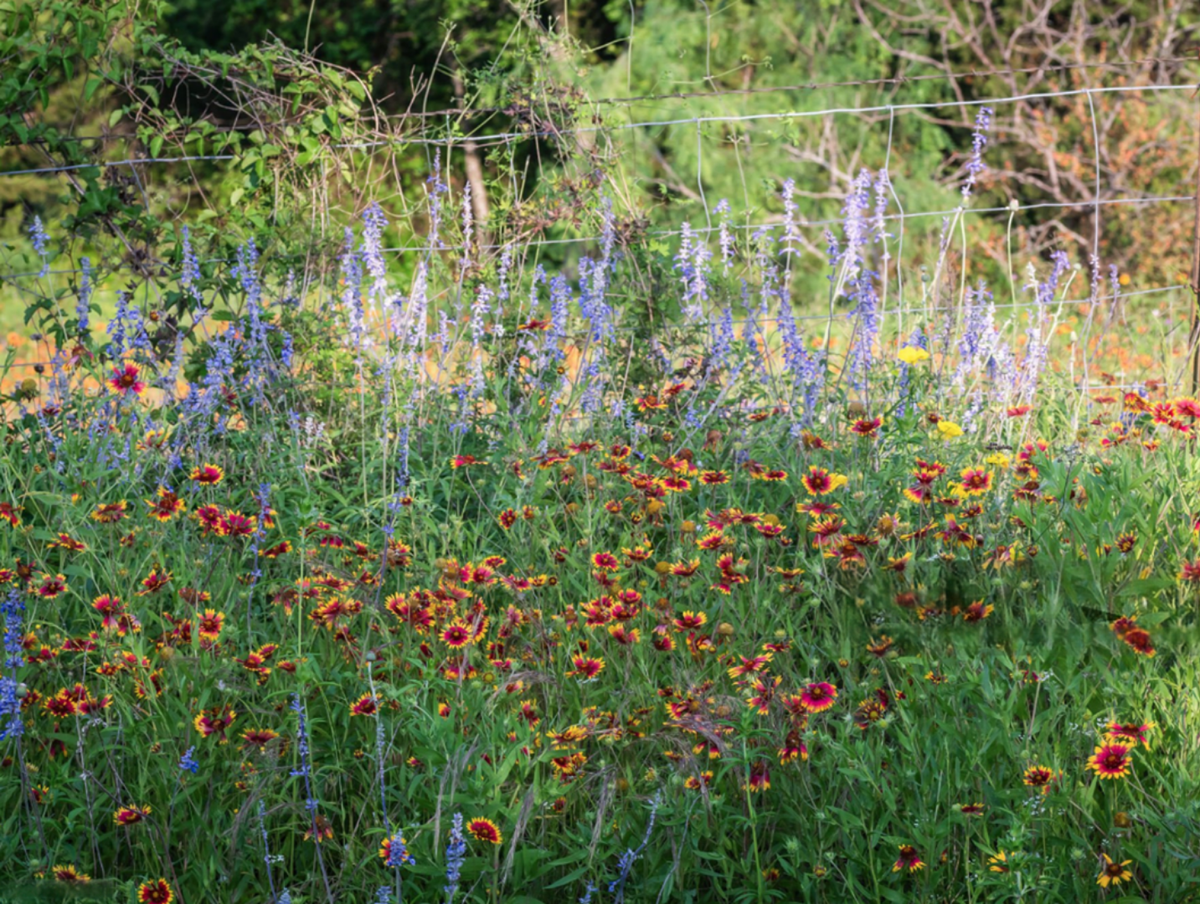
The driest part of a yard is often an exposed bed beside pavement, a driveway or a south-facing wall. These areas combine full sun with reflected heat and faster evaporation. Four-nerve Daisy, Blackfoot Daisy, Red Yucca, Texas Lantana, Prairie Coneflower, Blue Grama and Little Bluestem are strong candidates when their regional ranges fit.
Do not crowd crowns or aim irrigation at every plant equally. A low growing perennial near the bed edge may dry faster than an established grass with deeper roots. Grouping plants by mature water needs makes a drought tolerant landscape easier to manage.
Drought Tolerant Plants for Partial Shade
Partial shade reduces evaporation, but it does not automatically create a dry site. Soil beneath trees can be extremely dry because roots compete for moisture, while a shaded low spot may remain wet. Observe both light and drainage before selecting shade loving or drought resistant plants.
Zexmenia can handle light shade while remaining relatively drought tolerant. Common Yarrow and Aromatic Aster may accept part shade but usually flower more heavily with greater sun. Frogfruit can cover ground in sun or partial shade, although it performs best with more moisture than the driest rock-garden plants.
Drought Tolerant Trees and Shrubs
Drought tolerant trees need more establishment water than small perennials because their root systems take longer to spread. Choose a tree or shrub for its regional range and mature size, then water the entire developing root zone rather than only the trunk.
Texas Sage
Texas Sage (Leucophyllum frutescens) is an evergreen shrub, not a tree. Its silvery green foliage and purple flowers suit southern and western Texas. Texas Sage needs full sun and sharply drained soil; humid, frequently watered beds can weaken it.
Autumn Sage
Autumn Sage (Salvia greggii) is a semi evergreen perennial or shrub with red flowers, pink flowers, purple flowers or white flowers. This compact shrub attracts bees, butterflies and hummingbirds and performs well in dry, rocky soil within its range.
Lightly prune Autumn Sage after a major bloom if it becomes loose, and complete heavier shaping in late winter or early spring. Repeated shearing can reduce the natural form of Autumn Sage.
Yaupon Holly
Yaupon Holly (Ilex vomitoria) grows as an evergreen shrub or small tree with green foliage and red fruit for birds. A mature Yaupon Holly can be drought resistant, but it is better suited to eastern, coastal and parts of central Texas than the driest western sites. Choose Yaupon Holly for its native range, not as a universal xeric tree.
Texas Kidneywood
Texas Kidneywood (Eysenhardtia texana) is a multi-stemmed shrub or small tree for southern and central Texas. Its bright green leaves and white flowers create an airy form and feed bees and other wildlife.
Texas Kidneywood is drought tolerant after establishment and may flower again after rain. Give this fast growing shrub room for its natural form rather than forcing it into a narrow hedge.
Desert Honeysuckle
Wright's Flame Acanthus (Anisacanthus quadrifidus var. wrightii) is sometimes called Desert Honeysuckle. Its tubular red-orange flowers attract hummingbirds in dry areas of central, south and west Texas. Because Desert Honeysuckle can refer to several species, verify the botanical name.
North Texas and Central Texas Plant Choices
Drought Tolerant Plants for North Texas
North Texas combines hot summers with colder winters than much of the state. Cold hardy Little Bluestem, Blue Grama, Prairie Coneflower, Aromatic Aster and Four-nerve Daisy can anchor North Texas landscapes. Black-eyed Susan can also work in North Texas but appreciates more moisture.
North Texas gardeners should examine clay drainage before adding drought resistant plants. Raised beds can protect crowns where dense soil holds winter moisture. Confirm that each species belongs in the relevant North Texas ecoregion.
Drought Tolerant Plants for Central Texas
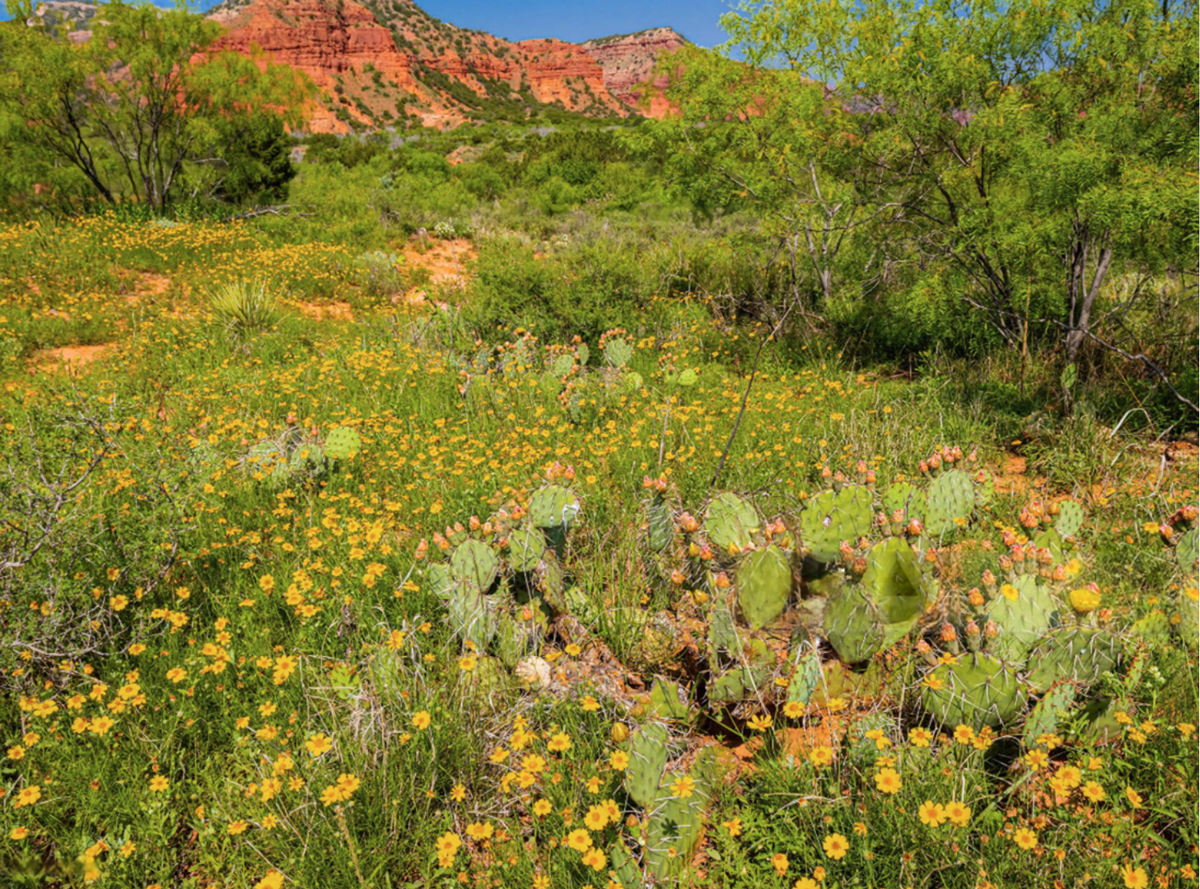
Central Texas has rocky, alkaline sites where Four-nerve Daisy, Blackfoot Daisy, Texas Lantana, Red Yucca and Zexmenia can excel. Even these Central Texas natives need establishment water.
In deeper clay, place drainage-sensitive plants on slopes or mounds and reserve low areas for species that accept more moisture. This creates a low maintenance, drought tolerant landscape based on how water moves through the site.
Black Eyed Susan and Pink Muhly Grass
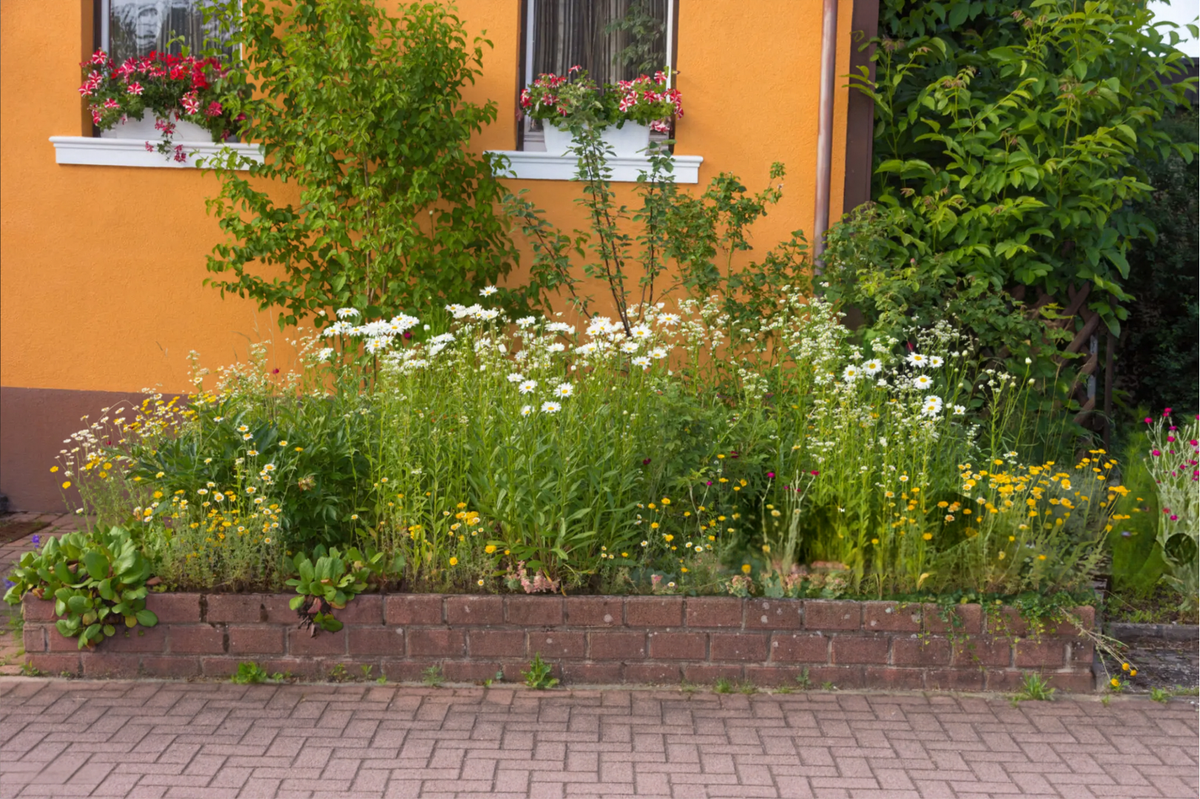
Black-eyed Susan is often included on lists of drought tolerant plants, but its performance depends on region and soil moisture. It is generally more comfortable in northern and eastern Texas than in an unirrigated West Texas bed. Leave some seedheads to attract birds, then cut old stems in late winter or early spring rather than assuming late fall cleanup is required.
Pink Muhly Grass, also called Gulf Muhly, produces clouds of pink flowers in fall. It handles drought after establishment but accepts more moisture than Blue Grama. Cut Pink Muhly Grass back in late winter or early spring before new growth begins, taking care not to damage emerging shoots.
How to Design a Drought Tolerant Landscape
Put Drainage Before Drought Claims
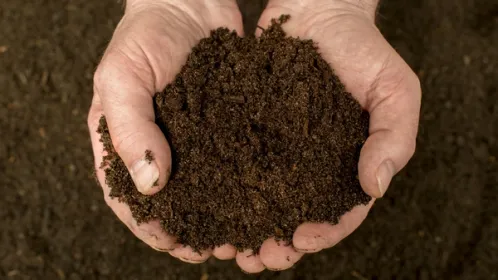
Many drought tolerant plants need well drained soil because their roots and crowns are vulnerable to prolonged saturation. Watch the yard after a heavy rain. If water remains in a planting hole or low area, select moisture-tolerant species or correct the grading instead of relying on a drought resistant label.
Group Plants by Water Needs
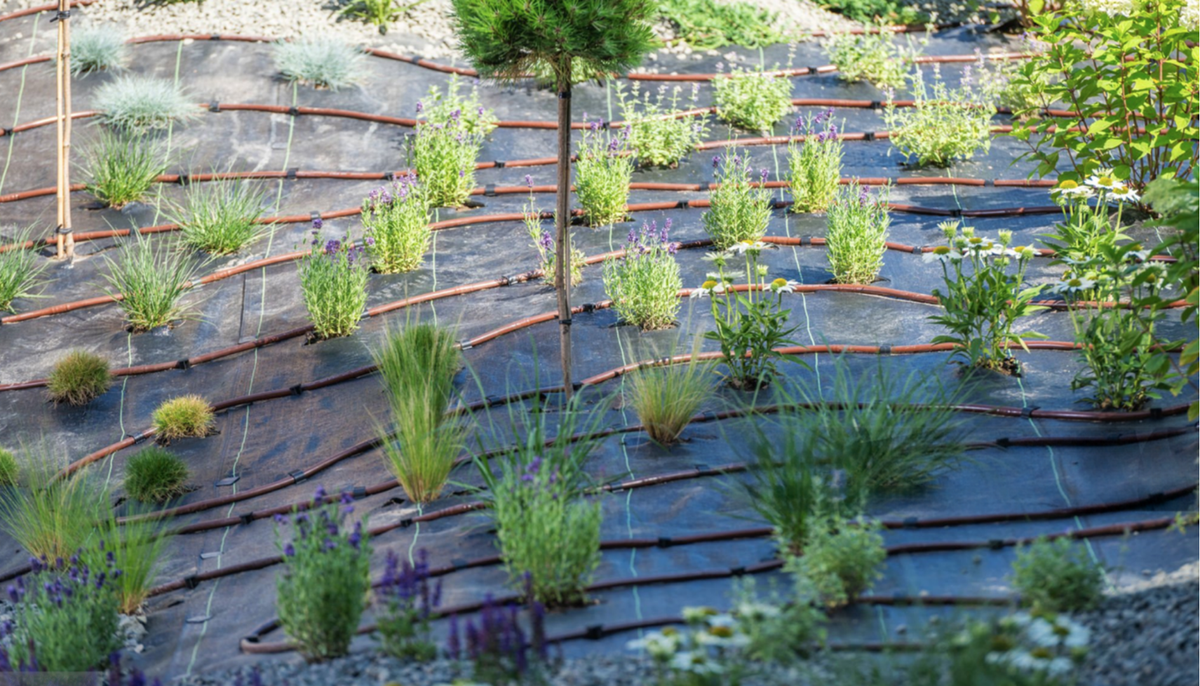
Grouping plants with similar water needs prevents a sprinkler from overwatering rock-garden species while trying to support a thirstier neighbor. Place the most drought resistant plants together, create a separate moderate-water zone, and use drip irrigation or careful hand watering to target the root area.
Cover Soil Without Burying Crowns
Mulch can improve water conservation by slowing evaporation and suppressing weeds. Keep it away from stems and crowns, especially around Blackfoot Daisy, Four-nerve Daisy and other plants adapted to lean soil. Gravel or mineral mulch may be a better fit than deep organic mulch in the driest bed.
Low Maintenance Does Not Mean No Maintenance
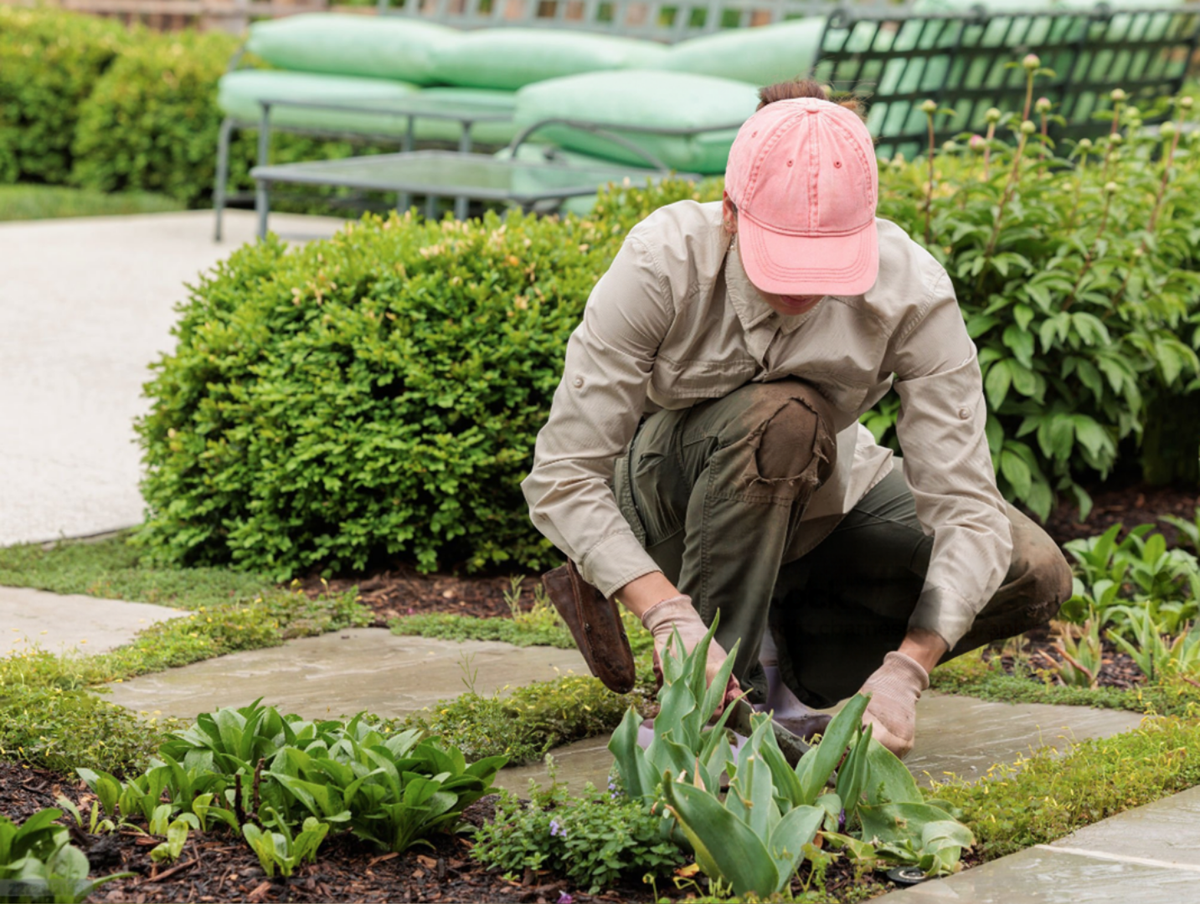
Water every new plant thoroughly at installation. During the first growing season, check the root zone rather than following a rigid calendar. Water deeply when the soil approaches the dry end of that species' preferred range, then let excess moisture drain. Reduce irrigation gradually as roots expand.
Established drought tolerant native plants often need minimal supplemental watering, but prolonged drought, reflected heat and sandy soil change that need. Occasional deep watering moistens more of the root zone than frequent shallow sprinkling.
Fertilize only when a soil test or a clear deficiency supports it. Many drought resistant plants develop sturdier growth and more natural form in poor soil. Excess nitrogen can produce floppy stems, fewer flowers and greater water demand.
Prune according to the plant. Cut back warm-season grasses before growth resumes, wait for Texas Lantana to show spring growth, and leave selected stems or seedheads for wildlife. That seasonal work keeps a low maintenance landscape healthy.
Build Your Own Low Water Texas Garden
A resilient, low maintenance garden comes from repeating the right plants, not collecting one of everything. Combine a ground-level flower such as Four-nerve Daisy, a longer-blooming species such as Texas Lantana or Mealy Blue Sage, and a structural grass or Red Yucca. Add spring, summer and fall bloom so pollinators have a more dependable food supply.
My Home Park's Build Your Own Garden feature lets you assemble a mixed tray of 25 or 50 plants. If you need smaller quantities, browse the full native plant catalog, where many individual species are available in groups of three or six.
Enter your ZIP code before ordering, match each plant to the sun and drainage you actually have, and plan to water during establishment. Those steps matter more than any broad promise that a plant is drought tolerant.
Helpful Texas Native Plant Resources
· Native Plant Society of Texas Ecoregion Map
· Native Plant Society of Texas Plant Database
· Native Plant Society of Texas Guide to Texas Lantana
· Lady Bird Johnson Wildflower Center Native Gardening Guide
Share this article