Leave seed heads standing through fall and winter for birds, or cut back after bloom for a tidier look. Divide clumps every few years if they become crowded or begin to flop.
Songbird Native Plants
Grey-Headed Coneflower
Ratibida pinnata
$29.99
$34.99
You Save 15%
Reserve Now
Ships the week of May 3.
Select Quantity
3-Pack
3 Plants
$10.00/plant
6-Pack
6 Plants
$9.17/plant
32-Plant Tray
32 Plants
$4.66/plant
Verify Availability
Show Native Range
Enter your ZIP code to verify if these plants are available in your area.
Quantity
Sourced ecologically
Delivered to Your Door
Easy Planting
About this Plant
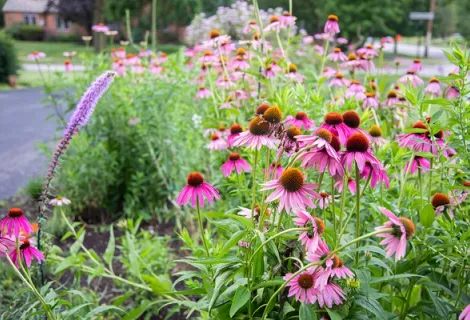
Grey-Headed Coneflower, also called Yellow Coneflower or Prairie Coneflower, brings a lively, prairie-style look to sunny gardens with its drooping yellow petals and tall brown central cones. Blooming from midsummer into early fall, it provides a long-lasting display of color and movement, especially when planted among native grasses and other meadow flowers.
This tough perennial thrives in full sun, poor soils, and dry conditions, making it a strong choice for xeriscaping, prairie restorations, and low-maintenance borders. Its flowers attract bees, butterflies, and other pollinators, while the seed heads feed birds through fall and winter.
Why Choose Grey-Headed Coneflower?
- Long bloom time from midsummer into early fall
- Unique flower form adds prairie character and movement
- Excellent nectar source for bees and butterflies
- Seed heads provide food for birds
- Drought-tolerant and well-suited to poor soils
Maintenance Tips
- Deadhead spent blooms to encourage additional flowering.
- Divide clumps every 3-4 years in the spring to rejuvenate and maintain vigor.
- Allow seedlings to establish for natural expansion or remove to maintain controlled growth areas.
Details
Soil Types
Clay
Loam
Sand
Soil Moisture
Dry
Medium
Moist
Sun Exposure
Partial Sun
Full Sun
Hardiness Zone
USDA 3–9
Plant Type
Flower
Mature Height
36”-72”
Mature Width
15”
Bloom Color
Yellow
Bloom Time
July - September
Root Type
Taproot
Grey-Headed Coneflower
$29.99$34.99
Ecological Benefits
Deer Resistant
Less likely to be browsed by deer.
Attracts Pollinators
Provides nectar and pollen for bees and other pollinators.
Attracts Butterflies
A nectar source that draws butterflies throughout the season.
Birds
Seeds or berries provide food for birds.
What Folks Are Saying
“It's like following a recipe. Choosing from multiple designs is fun.” - Kari

“The process from the website to getting the plants, could not have been easier or more seamless.” - Justin

“I can't believe that we are the house with this beautiful garden.” - Howard
“I've never planted anything in my life. And this was actually quite fun.” - Steve