California Goldenrod
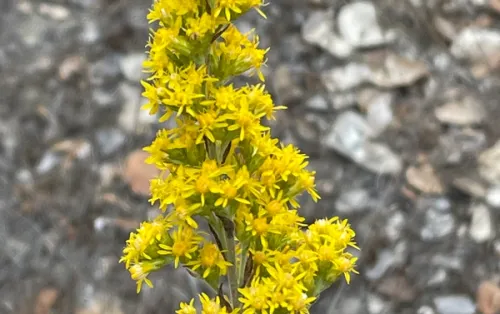
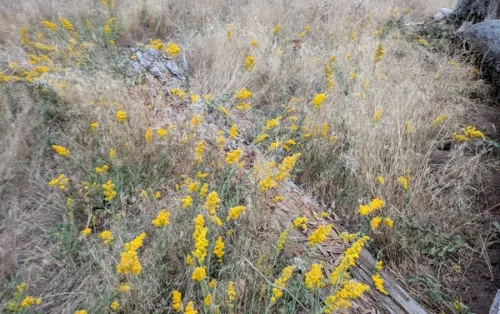
California Goldenrod is a refined, drought-adapted native that delivers the classic goldenrod look without the aggressive tendencies of some eastern species. In late summer into fall, it produces loose, branching plumes of small yellow flowers that create a light, cloud-like effect—adding warmth and movement just as the growing season begins to wind down.
This subspecies is native to California’s grasslands, foothills, and open woodlands, where it thrives in full sun and well-drained soils. Its blooms are rich in nectar and pollen, supporting a wide range of native bees, beneficial flies, beetles, and late-season butterflies. Like other goldenrods, it is insect-pollinated and does not contribute to hay fever—its pollen is too heavy to be windborne.
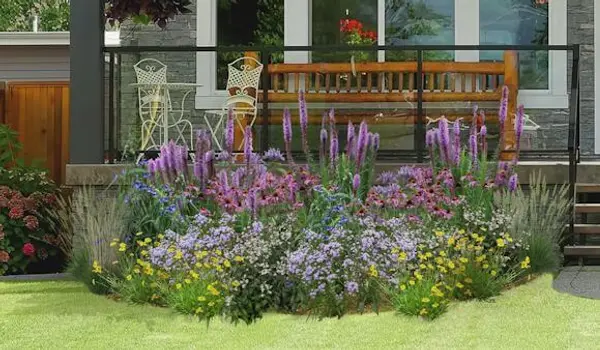
California Goldenrod typically grows 2–4 feet tall with a relaxed, upright habit that blends easily into dry borders, native meadows, and habitat plantings.
Details
Range Map
record
Ecological Benefits
Maintenance Tips
- Water: Low water needs once established; occasional deep watering can extend bloom in extreme drought.
- Soil: Prefers well-drained soils; tolerates sandy, rocky, and lean sites.
- Light: Full sun is best for sturdy stems and abundant flowering.
- Pruning: Cut back to the ground in late fall or early spring.
- Spreading: Clump-forming to lightly spreading; easy to manage in garden settings.
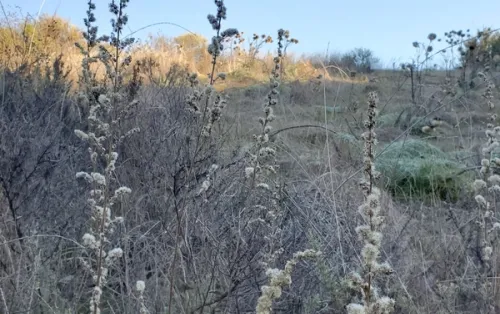
- Wildlife note: Excellent late-season nectar plant; seeds may be used by birds if left standing into winter.