Back to Glossary
Creeping Phlox
Phlox subulata
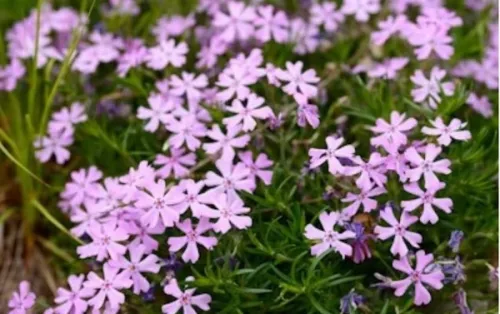
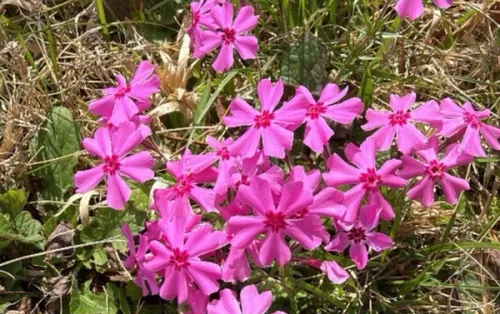
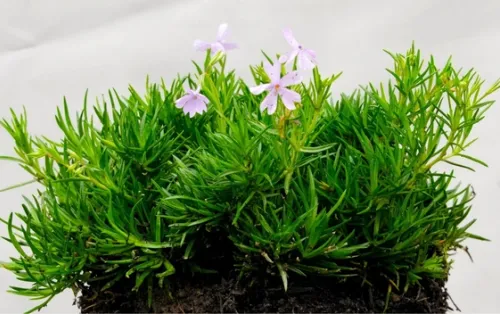
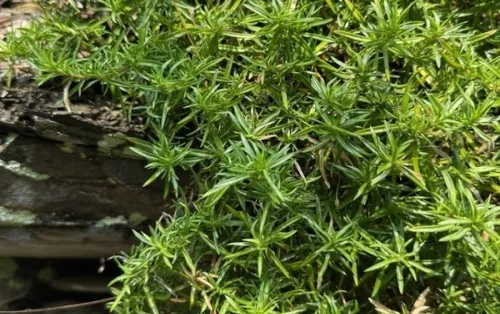
Few native perennials create a spring display as concentrated as Creeping Phlox. Its trailing stems knit together into a dense mat only a few inches tall, then become almost completely hidden beneath five-petaled flowers in mid-spring. Butterflies, bees, and hummingbirds visit the blooms while the fine evergreen to semi-evergreen foliage persists after flowering.
In the wild, Creeping Phlox occurs on rocky slopes, sandy sites, open woodlands, and other well-drained habitats. That background makes it exceptionally useful for sunny banks, retaining walls, pathway edges, rock gardens, and other locations where a low, drought-tolerant plant is needed. Stems root as they spread, helping the plant knit soil together on slopes.
Details
Height4” - 6”
Spread30"
Bloom SeasonApril – May
Soil Types
Loam
Sand
Gravel
Soil Moisture
Dry
Medium
Sun Exposure
Part Sun
Full Sun
Range Map
Native
No current
record
record
Ecological Benefits
Maintenance Tips
- Plant where drainage is excellent and avoid burying the low crown beneath heavy mulch.
- Light shearing after bloom can keep older mats dense and encourage fresh foliage.