Red Chokeberry
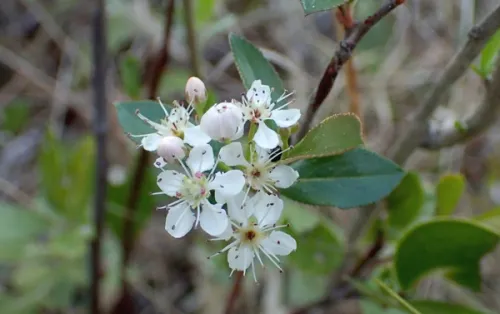
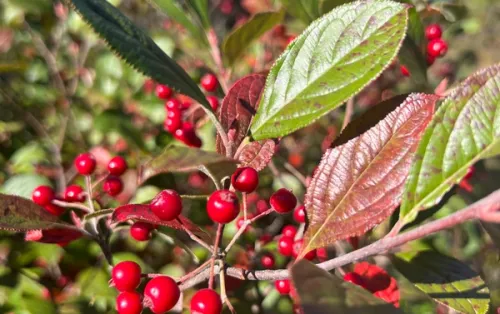
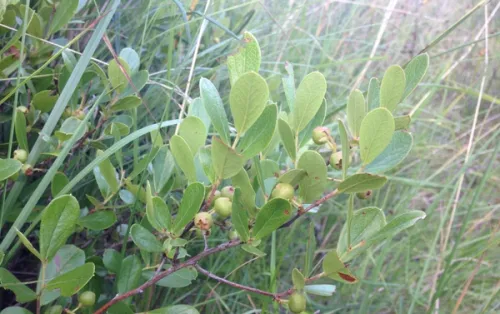
Red Chokeberry is a deciduous shrub native to the Eastern United States that offers beauty across all seasons. In spring, it produces clusters of fragrant, white five-petaled flowers that attract early pollinators. Through summer, glossy green leaves form a dense screen, which transitions to brilliant shades of orange, red, and burgundy in autumn—one of the most vibrant fall displays among native shrubs.
Its red berries ripen in late summer and persist well into winter, making them a valuable cold-season food source for songbirds, even though they are astringent (hence "chokeberry") to human palates unless processed. In a landscape setting, Red Chokeberry is a great option for rain gardens, naturalized borders, or hedgerows, as it tolerates both moist and average soils, including clay.
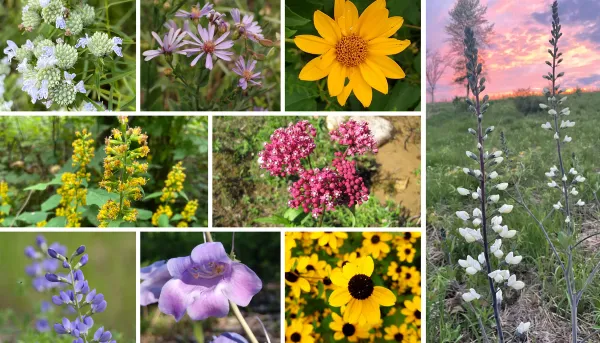
Ecologically, the shrub is a powerhouse: it provides nectar for early-season bees, larval host support for moths, fruit for birds, and shelter for small wildlife. It grows naturally in thickets and along forest edges and benefits native biodiversity in both formal and informal gardens alike.
Details
Range Map
record
Ecological Benefits
Maintenance Tips
- Suckers can form colonies—remove them if you prefer a tidier look.
- Prune after flowering to maintain shape and encourage denser growth.
- Tolerates wet, average, or clay soils but prefers full sun to part shade.
- Deer-resistant and low-maintenance once established.
- Berries may ferment if left on late into winter—beneficial for birds but can be messy near walkways.