Showy Goldeneye
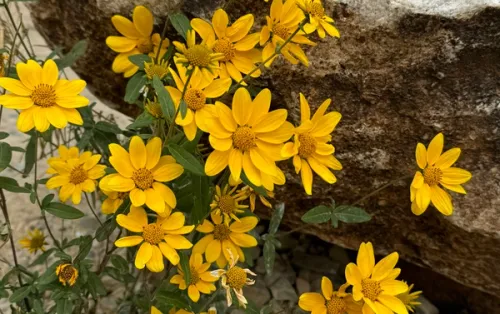
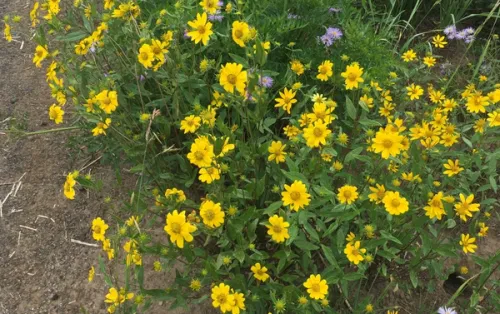
Showy Goldeneye brings a long season of warm yellow color to sunny landscapes. Numerous sunflower-like blooms develop on branching, wiry stems above narrow green foliage, often beginning in summer and continuing well into fall. Mature plants develop into loose, bushy clumps that fit naturally into meadow plantings, pollinator gardens, cottage borders, and restoration-style landscapes.
Native throughout much of western North America, Showy Goldeneye occurs from sagebrush and pinyon-juniper communities to aspen groves and high-elevation meadows. It prefers full sun and well-drained soil but tolerates an impressive range of textures, from clay to sandy and gravelly ground. Once established, it handles drought and relatively lean soils remarkably well.
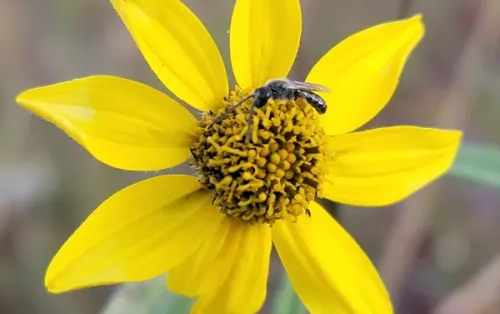
Showy Goldeneye is also an exceptionally useful wildlife plant. USDA documents visits from numerous native bees, butterflies, and hummingbirds, while birds and small mammals consume its seeds. The foliage additionally serves as a host for the Gorgone checkerspot butterfly, giving the species both adult-pollinator and larval-host value. Although deer and elk may browse it, established plants are competitive and easy to manage in naturalistic gardens.
Details
Range Map
record
Ecological Benefits
Maintenance Tips
- Grow in full sun in well-drained soil and provide regular water only while establishing.
- Plants may reseed into open ground, so remove spent seedheads where a more contained planting is desired or allow them to mature for bird food and naturalized colonies.