Spider Milkweed
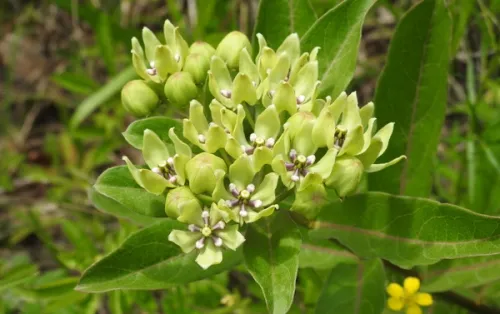
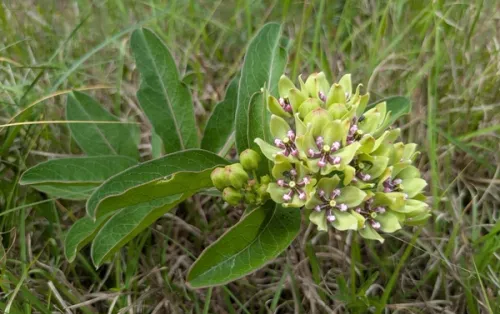
Spider Milkweed, also called Green Antelopehorns, is one of the earliest-blooming native milkweeds, bringing an unusual elegance to the spring garden with rounded clusters of creamy green flowers highlighted by deep purple centers. While more subtle than the bright orange of Butterfly Weed or the pink blooms of Swamp Milkweed, its intricate flowers reward close inspection and quickly become a favorite among gardeners and pollinators alike.
Native to the central and southern United States, Spider Milkweed thrives in sunny prairies, open woodlands, and rocky glades where it develops a deep taproot that allows it to withstand drought and poor soils. Growing 1–2 feet tall, it remains compact enough for smaller gardens while still making a meaningful ecological impact.
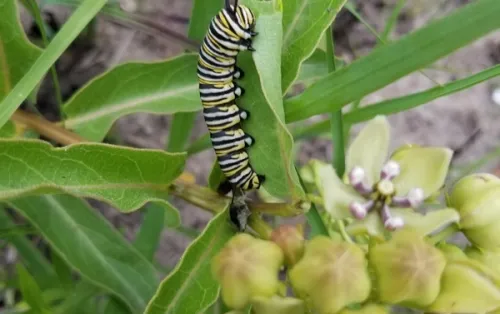
Like all native milkweeds, Spider Milkweed is an essential larval host for the Monarch butterfly, providing the only food source for Monarch caterpillars. Its nectar-rich flowers also attract a remarkable diversity of native bees, butterflies, wasps, beetles, and other beneficial insects throughout its bloom period. Following flowering, distinctive upright seed pods split open to release silky seeds that drift on the wind, helping establish future generations.
Details
Range Map
record
Ecological Benefits
Maintenance Tips
- Water: Water regularly during establishment; highly drought-tolerant once mature.
- Soil: Prefers well-drained soils and thrives in sandy, rocky, or clay soils with good drainage.
- Light: Full sun produces the strongest plants and heaviest flowering.
- Transplanting: Plant where it will remain permanently, as the deep taproot makes mature plants difficult to move.
- Seed Pods: Leave pods in place if you'd like the plant to self-seed naturally, or remove them before they split to limit spread.
- Pests: Oleander aphids may occasionally appear but rarely cause lasting harm; they can often be managed with a strong spray of water.
- Wildlife Note: An indispensable host plant for Monarch butterflies and a valuable nectar source for a wide variety of native pollinators.