Sweetfern
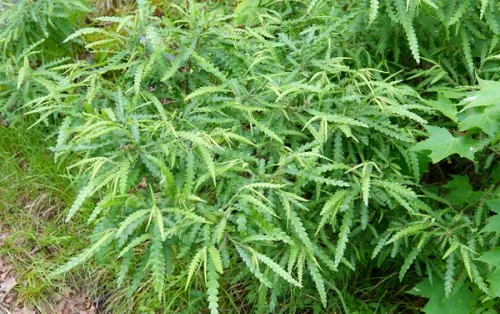
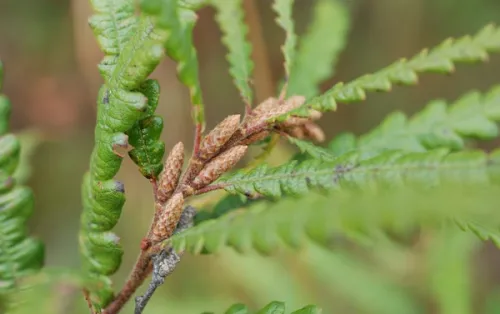
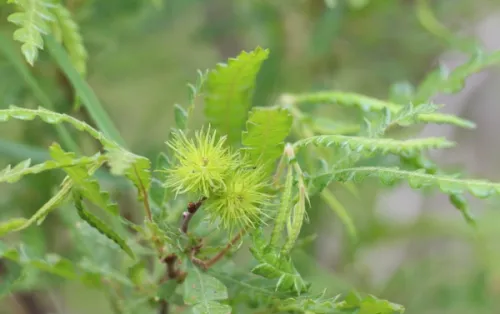
Despite its name, Sweetfern is not a fern but a low, deciduous shrub with narrow, deeply lobed leaves that give it an unmistakably fernlike texture. The foliage releases a pleasing, resinous fragrance when touched, bringing an unexpected sensory dimension to paths, naturalized borders, and dry garden beds. Small catkins appear in spring, followed by unusual burr-like nutlets that add subtle seasonal interest.
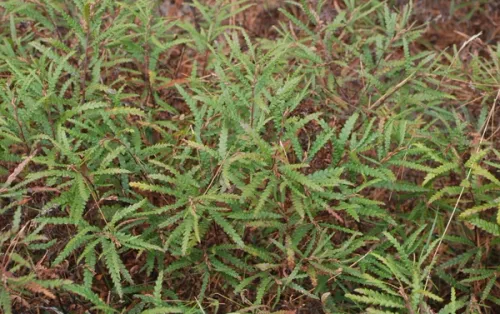
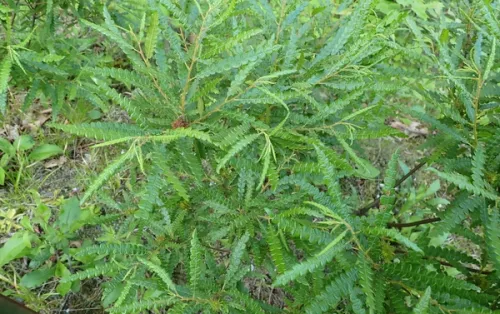
Sweetfern is especially valuable for lean, acidic, sandy, or gravelly soils where many traditional shrubs struggle. A partnership with nitrogen-fixing bacteria helps it flourish without fertile soil or supplemental fertilizer, while its spreading root system gradually creates colonies that can stabilize slopes and disturbed ground. The foliage also feeds several native butterfly and moth caterpillars, including the Gray Hairstreak. Because Sweetfern spreads by underground stems, give it room to naturalize or be prepared to contain its edges.
Details
Range Map
record
Ecological Benefits
Maintenance Tips
- Water regularly during establishment, but avoid fertilizer and poorly drained clay soil.
- Sweetfern dislikes being transplanted once settled.
- Manage any potential colony formation by removing unwanted shoots at the edges as they appear.