Texas Bluebonnet
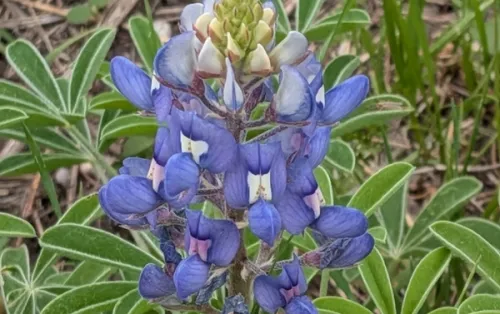
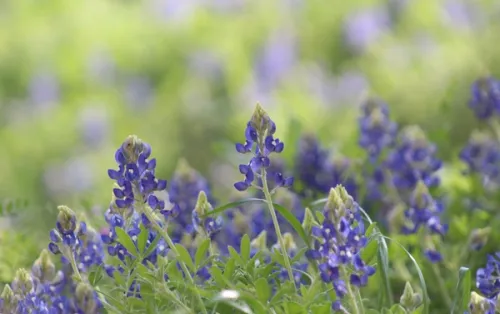
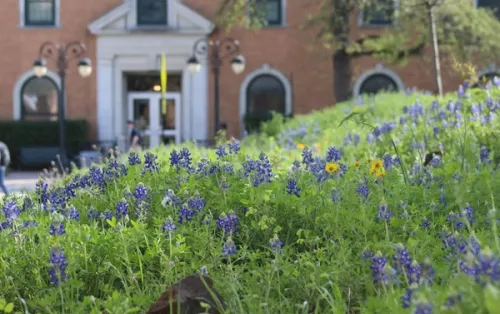
Texas Bluebonnet transforms open, sunny spaces into a sea of brilliant blue each spring. Upright flower spikes rise above low, palm-shaped foliage, with each deep blue bloom marked by a contrasting white banner that may deepen to pink or reddish purple as the flower ages. Planted in groups, it creates the sweeping, meadow-like color that has made this wildflower an enduring symbol of Texas landscapes.
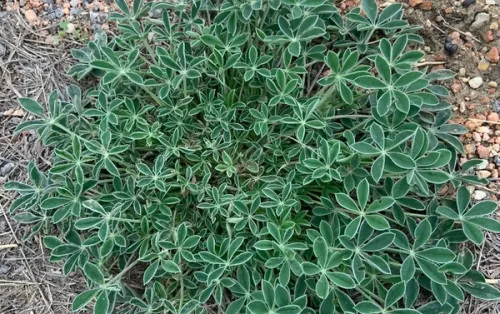
Although each plant completes its life cycle within a single season, Texas Bluebonnet can return year after year by reseeding. Seeds typically germinate during cooler weather, forming low rosettes before plants surge into bloom in spring. Bees and other early-season pollinators visit the pea-shaped flowers for nectar and pollen, while the developing seed pods help renew the planting once they mature and scatter.
Texas Bluebonnet performs best in full sun and lean, well-drained soil, especially sandy, gravelly, or limestone-based sites. It is an excellent choice for native meadows, roadsides, slopes, pollinator plantings, and informal borders where its natural cycle of flowering, seed production, and summer dormancy can unfold without excessive disturbance.
Details
Range Map
record
Ecological Benefits
Maintenance Tips
- Sow or plant Texas Bluebonnet in full sun and sharply drained soil, and avoid fertilizer or excessive irrigation, which can encourage weak growth.
- Allow the foliage and seed pods to dry fully before mowing or cutting back so mature seeds can fall and support next year’s display.
- Because it is an annual, some year-to-year variation is natural.