White Fringetree
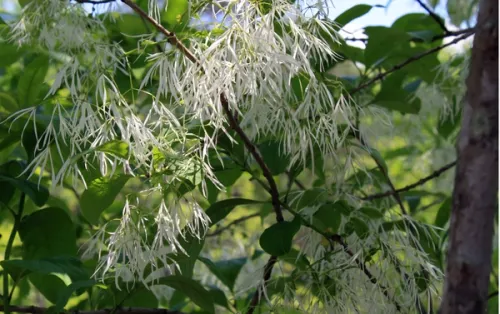
White Fringetree is a graceful native tree that brings understated elegance to woodland edges, gardens, and naturalized plantings. Reaching 12–20 feet tall and wide, it’s slow-growing but worth the wait.
Its signature feature is a profusion of creamy-white, lightly fragrant flowers that bloom in late spring, appearing as airy, fringe-like clusters. These blooms are pollinator-friendly, attracting a wide variety of bees, including native specialists. If a male plant is nearby (Fringetree is usually dioecious), female plants will bear small olive-like blue fruits in late summer—an important food source for birds like robins, catbirds, and bluebirds.
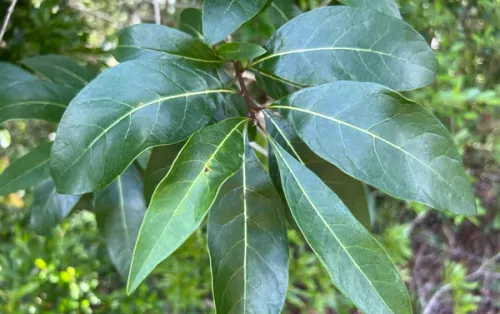
Glossy green leaves turn a clear yellow in fall, providing additional seasonal interest. The tree is tolerant of a wide range of soils (from loamy to slightly clayey) as long as it is not too dry. It thrives in full sun to part shade and is relatively low maintenance.
In addition to its ornamental value, Fringetree is a larval host for the Rustic Sphinx moth (Manduca rustica), adding to its ecological utility.
Details
Range Map
record
Ecological Benefits
Maintenance Tips
- Prune only to shape or remove damaged branches, best done in late winter.
- Water during prolonged droughts, especially while establishing.
- To produce fruit, be sure both male and female plants are present.
- Mulch to retain soil moisture and protect shallow roots.
- Prefers slightly acidic to neutral soils.