Balancing Curb Appeal, HOAs, and Ecological Native Gardens

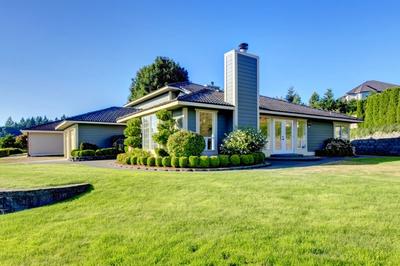
You don’t have to choose between ecological native gardens and a front yard that feels tidy, welcoming, and HOA‑compliant. This guide walks through design cues, communication strategies, and practical layout tweaks that let you support wildlife and soil health while still checking all the boxes for curb appeal and neighborhood rules.
Why native gardens and curb appeal work well together
Native plants are often framed as “wild” or “messy,” but they can be organized into layouts that look polished and high‑end. Because natives are adapted to local conditions, they tend to age gracefully, need fewer inputs, and provide four‑season interest when combined thoughtfully.
For HOAs and neighbors, curb appeal usually comes down to a few visible cues: clear edges, consistent maintenance, and designs that look deliberate rather than random. Native gardens that emphasize structure, repetition, and tidy borders can meet those expectations while quietly delivering habitat, stormwater benefits, and climate resilience.
Key design cues that signal “neat and intentional”
Certain visual choices immediately tell people “someone is caring for this space,” even when the planting is ecologically rich. Focus on:
- Strong edges and clear shapes. Use defined bed lines (curves or straight), a mowed strip, stone, brick, or metal edging to separate native plantings from lawn or hardscape.
- Layering by height. Place taller plants at the back or center of beds and shorter plants at the front and edges, especially along sidewalks and driveways.
- Repetition and rhythm. Repeat a limited palette of species or colors in groups rather than scattering many one‑offs.
- Seasonal structure. Include some shrubs, grasses, or evergreens that hold form outside peak bloom, so the garden looks composed year‑round.
These cues do a lot of work to keep native gardens looking organized, even when individual plants are more naturalistic.
Working within (and gently shaping) HOA rules
Most HOAs care about height limits, maintenance standards, and overall appearance rather than specific plant species. Some also have approved plant lists, restrictions near sidewalks, or requirements for pre‑approval of landscape changes.
Steps to navigate HOA requirements:
- Read the landscaping guidelines. Look for rules about plant height, sightlines, setbacks from sidewalks and driveways, and “neatness” expectations.
- Use their language. When proposing native gardens, emphasize “low‑maintenance,” “drought‑tolerant,” “water‑efficient,” and “pollinator‑friendly” design rather than leading with “wild” or “rewilded.”
- Prepare a simple but professional plan. Include a sketch, plant list (with common and Latin names), and a short maintenance outline so the board sees a clear, organized proposal.
- Highlight community benefits. Mention reduced water use, improved curb appeal, support for pollinators, and compliance with any local water‑saving or sustainability goals.
In some states, laws limit an HOA’s ability to prohibit drought‑tolerant or native landscaping, but even where that’s not the case, a neat, well‑documented plan usually gets a better reception. If you need help pulling together a compelling proposal, My Home Park’s custom design service pulls together the right plants, a custom planting map, and more in a tidy and highly presentable package which could help fortify an appeal.
Front‑yard native design patterns that look polished
Certain layout patterns help ecological front yards blend seamlessly into traditional streetscapes. Consider:
- Foundation beds with native structure. Against the house, use a layered foundation planting: taller natives toward the wall, medium plants in the middle, and low, tidy species at the front. Leave a narrow access strip along the house for maintenance.
- Island beds with a strong center. In lawn or open areas, design island beds with taller plants or a small shrub in the center, surrounded by medium and low plants in rings to create a clear, intentional form.
- Street‑facing strips that stay low. Along sidewalks and driveways, choose mostly low‑growing natives (under 2 feet) and set them back slightly from hard edges to avoid encroachment.
- Repetition along the street. Repeat a few key species or groups along the front edge for a cohesive look rather than a patchwork of unrelated mini‑beds.
These patterns make native gardens legible at a glance, which is especially important in front yards and HOA‑visible areas.
Managing height, sightlines, and “messy” phases
Height and perceived messiness are common HOA and neighbor concerns. You can address them with thoughtful plant choices and maintenance:
- Respect sightlines. Keep taller plants away from corners, driveways, and sidewalk edges so they don’t block views for drivers or pedestrians.
- Use medium and low plants up front. Reserve taller, wilder species for the interior or back of beds and rely on tidier, shorter natives at the front edge.
- Prune for shape and height. Light, early pruning on vigorous perennials can keep them shorter and fuller while still blooming well.
- Plan for establishment years. In the first season or two, when plants are small and weeds try to sneak in, use mulch and more frequent tidying to keep beds looking cared for.
Small, regular touches like trimming plants that flop over sidewalks or removing obvious dead material from prominent spots go a long way toward maintaining a positive impression.
Communication tools: signs, stories, and photos
How you communicate about your yard can matter almost as much as how it looks. Helpful tools include:
- Discreet habitat signs. A sign indicating “native garden,” “pollinator habitat,” or “certified wildlife habitat” signals purpose and care to passersby and board members.
- Before‑and‑after photos. Show the transition from lawn or neglected beds to a more vibrant, structured native garden to illustrate improvement.
- Simple talking points. Have a few concise benefits ready—more butterflies and birds, less water use, less mowing—to share with curious or skeptical neighbors.
- Offer to share plants or designs. Inviting neighbors to copy successful plantings can turn a point of friction into a shared project.
Good communication helps shift the narrative from “rule‑breaking” to “model for sustainable, attractive landscaping.”
Adapting designs when rules are strict
Some HOAs have tight controls on plant height, species, or “naturalized” looks, but there is almost always room to incorporate native ecology. Strategies include:
- Start in less visible areas. Begin with side yards or backyards to build success and confidence while testing what the HOA is comfortable with.
- Use more formal plant forms. Lean on natives with upright or mounded habits and less self‑seeding behavior in highly visible locations.
- Blend natives with familiar and more traditional plants. Mix native species with a few commonly accepted ornamentals to create a “bridge” look that feels familiar.
- Propose pilot or demonstration areas. Work with the HOA to trial a pollinator bed or native strip in a common area or underused lawn patch as a proof of concept.
These approaches can gradually expand what is considered acceptable while keeping you squarely within the rules.
You can plant HOA‑friendly ecological gardens
Balancing ecological goals with curb appeal and HOA expectations is much easier when you start with plant combinations and layouts designed for both. Poorly planned plant lists or ad‑hoc layouts are a major reason native gardens get labeled “messy.”
My Home Park’s regionally focused native garden kits emphasize structure, clear edges, and strong seasonal interest while still delivering habitat, stormwater, and climate benefits. These designs can be used as ready‑made, HOA‑friendly templates: they feature plants chosen for visual appeal and ecological value, arranged in patterns that look organized and intentional from the street. If none of those kits are a good fit, My Home Park’s custom design service can pull together expectations from you HOA with a list of fantastic native plants matched to your site to ensure a successful approach. With straightforward layouts, plant lists, and care guidance, you can present confident proposals to your HOA, keep your front yard looking sharp, and still know that your landscape is pulling its weight for birds, pollinators, and the environment.
Share this article