Summer Watering and Drought Care for Native Gardens

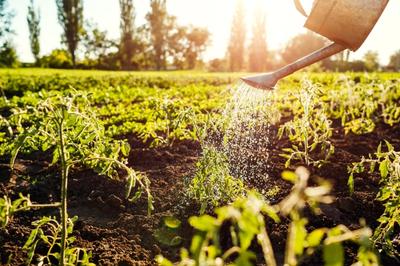
Summer care for native gardens is mostly about helping new plants through hot, dry spells while letting established natives use the drought‑tolerance they evolved with. This guide shows you how often to water, what “deep and infrequent” really means, and how to recognize when plants are truly stressed versus just reacting normally to heat.
Why summer watering looks different with natives
Summer watering is different with natives because:
- Established natives are adapted to local rain/drought patterns and often need little extra water.
- New plantings with shallow roots need more help in their first 1–2 seasons.
- The goal is deep root growth, not constantly wet soil.
Many established native plants are adapted to local patterns of rain and drought and can get through normal dry periods with little or no supplemental water. New plantings, however, have shallow root systems and need more help in their first one to two growing seasons, especially during heat and drought.
The goal is not to keep the soil constantly wet, but to support deep root growth so plants can access moisture stored further down. That means watering deeply and infrequently rather than with quick, frequent sprinkles.
Watering new plantings vs. established plants
As a rule of thumb:
- New plantings: First weeks = several deep waterings per week (depending on heat, wind, soil) until you see steady new growth; then taper to deeper, less frequent soaks.
- Established plants: Mostly fend for themselves; add an occasional deep soak only during extended drought or extreme heat.
For new native plantings, the first weeks after planting usually require consistent moisture - often several deep waterings per week depending on heat, wind, and soil type - until you see steady new growth. Over the following months, watering can typically be tapered to every few days and then to deeper, less frequent soakings, always adjusting for local conditions.
Once plants are truly established (often by the second summer), many low‑water natives only need supplemental irrigation during extended droughts or unusually hot, dry periods. In those situations, an occasional deep soak during the driest part of the season is usually more helpful than frequent light watering.
Deep, infrequent watering: how and why
For deep, infrequent watering:
- Apply enough water at once to mimic a good rain and wet the full root zone.
- Let the soil dry out between waterings so roots grow down into cooler, moister layers.
- Use soaker hoses, drip, or slow “bucket” methods to reduce evaporation and get water where roots are.
Deep watering encourages roots to grow down into cooler, moister soil rather than staying near the surface. Applying enough water at once to mimic a good rain, then allowing the soil to dry out between waterings, supports stronger drought tolerance over time.
Soaker hoses, drip irrigation, or slow “bucket” methods are often more efficient than overhead sprinklers, delivering water where roots can use it with less evaporation. Whatever method you use, aim to wet the root zone thoroughly and then give it plenty of time to drain and dry before watering again.
Recognizing drought stress vs. normal dormancy
Often not a problem:
- Brief midday wilting that recovers by evening in otherwise healthy plants.More serious stress:
- Wilting that doesn’t improve overnight.
- Browning/crisping leaves and stems that stay limp.
- New plantings with these signs usually need a deep soak; repeated decline in established plants may mean a species–site mismatch.
- When you do water for serious drought stress, do it early morning or evening to avoid leaf scorch.
In summer, some native grasses and perennials respond to drought by slowing growth, wilting slightly during the day, or going partially dormant, then recovering when temperatures cool or rain returns. Brief midday wilting that improves by evening in otherwise healthy plants often signals healthy heat response, not a need for immediate watering.
More serious drought stress shows up as persistent wilting, crisping or browning of leaves, and stems that fail to perk up overnight. Newly planted natives showing these signs may need a deep soak, while established plants that repeatedly decline may point to a mismatch of species and site conditions rather than a simple watering problem. Be sure, if watering to combat serious drought stress in mid-summer, to water only in the early morning or later evening to avoid leaf scorch.
Using mulch and plant grouping to conserve moisture
To conserve moisture:
- Use a light layer of organic mulch around new plants (but keep it off stems/crowns).
- Let mature native plantings become “living mulch” that shades and cools the soil.
- Avoid dark or dyed mulches that can overheat soil, especially in summer.
- Group plants with similar water needs so one watering regimen suits each bed.
Layering organic mulch a few centimeters deep around new plantings (while keeping it off stems and crowns) can reduce evaporation and moderate soil temperatures. Over time, dense plantings of natives themselves act as living mulch, shading soil and helping it stay cooler and moister between rains. Be sure to avoid dark or dyed mulches especially in summer as these can super-heat the soil and essentially cook plants where they stand.
Grouping plants with similar water needs together makes it easier to water efficiently during drought, giving more frequent soaks to new or higher‑water species and less to deep‑rooted, drought‑tolerant natives. This zoning reduces waste and helps avoid overwatering plants that prefer drier summer soils. All of the pre-designed gardens at My Home Park are grouped in such a way that one watering regimen should work for all species included.
Check out our First-Year Native Garden Roadmap and Low-Input Soil Care articles for more tips.
Share this article