Native vs. Non-Native vs. Invasive Plants: What’s the Difference?

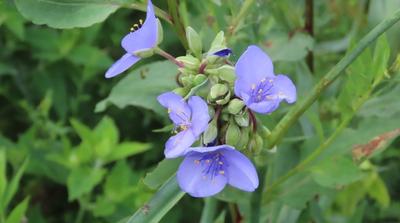
If you care about wildlife, it’s not enough to know whether a plant is “pretty” or “easy to grow” - you also need to know how it fits (or doesn’t fit) into your local ecosystem. Native, non‑native, and invasive are more than buzzwords; they describe how a species evolved, how it behaves in the landscape, and what impact it has on the food webs around your home. This guide explains the differences in clear, homeowner‑friendly terms and gives you practical next steps for choosing regionally native plants, using non‑natives carefully, and avoiding invasive species that quietly erode biodiversity.
In simple terms:
- Native plants: Evolved in your region and support local wildlife.
- Non‑native plants: Introduced from elsewhere, may or may not spread.
- Invasive plants: Non‑native plants that spread aggressively and harm ecosystems.
Why these definitions matter
Understanding the difference between native, non‑native, and invasive plants is one of the most important foundations for building a garden that truly supports local wildlife. These terms describe how a plant relates to a place over time: its evolutionary history, how it behaves in the landscape, and its impact on the surrounding ecosystem. In home gardens, using these definitions helps you choose plants that strengthen local food webs and avoid those that quietly reduce biodiversity. We hope this primer will help you feel more comfortable and confident about bringing native plants into your own yard.
When you evaluate whether a plant is “native enough” for your yard, look for:
- Native to your state or ecoregion, not just the continent
- Well‑matched to your local climate, soils, and light
- Documented benefits to local insects, birds, and other wildlife
A native plant is a species that has evolved in a particular region over thousands of years, experiencing the local climate, soils, insects, birds, and other wildlife for millenia. It is therefore part of the original ecological “community” of that region, which means local pollinators and herbivores are adapted to use its nectar, pollen, leaves, seeds, and structure to sustain themselves. Native plants tend to sync well with the natural rhythms of the place: blooming, setting seed, and going dormant in ways that line up both with the needs of the animals around them and the demands of environmental elements like changing seasons.
In practice, “native” should be thought of at a regional scale (state, ecoregion), not just “somewhere on the continent” (as in “native to North America”). A plant that is native in one part of the country may be effectively foreign in another, offering less value, often requiring more care to survive, and sometimes behaving unpredictably when planted far outside its home range.
My Home Park sells only organically grown, regionally appropriate native plants and ready‑made designs so you can skip guesswork and still support local ecosystems. We’ve pulled together regionally suited pre-designed garden kits to take some of the guesswork out of planting; we also have a large list of native species to browse and buy if you’d rather start small or know exactly what you need for your yard. Still unsure of where to start or have a project in mind that’s too tricky to map out alone? No worries - with our custom design service we can match the plants and the approach to your yard!
Key things to know about non‑native plants:
- They originated outside your region and were introduced (intentionally or accidentally).
- Some stay put in gardens; others spread into natural areas.
- Even “well‑behaved” non‑natives usually support fewer local insects and birds than natives.
A non‑native plant - which may also be called introduced, exotic, or alien - is a species that originates far outside the region where it is now growing. It may have been brought in intentionally (for ornamental qualities, agriculture, or erosion control) or accidentally (through trade, travel, or contaminated materials). Many common garden plants still fall into this category following around 150 years of ecologically ignorant landscaping practices that put higher value specifically on exotic and highly ornamental plants.
Not all non‑native plants are bad news for your yard. Some stay more or less confined to the gardens in which they are planted and do not spread aggressively into natural areas. Others may even provide limited resources to wildlife but still offer some aesthetic or structural value in the landscape. The key point is that local insects and other animals often do not recognize non‑native plants as food or habitat to the same degree, which can badly weaken local food webs if these species dominate a yard or region.
Common traits of invasive plants include:
- Spreading aggressively by seed, rhizomes, or suckers
- Escaping gardens and forming dense stands in natural areas
- Displacing native plants and changing soil, water, or fire patterns
- Being difficult and costly to remove once established
An invasive plant is a subset of non‑native plants that spreads aggressively and causes true harm to the surrounding ecology, economy, and even human health. These species readily escape cultivation, establish self‑sustaining populations, and outcompete native plants in natural or semi‑natural areas. They can form dense thickets, alter soil chemistry or fire regimes, and drastically reduce the diversity of native species that the native wildlife depends on.
Typical hallmarks of invasive plants include rapid growth, heavy seeding or suckering, and an ability to thrive in disturbed sites. Once established, they are often very difficult and costly to remove. Avoiding invasive species, and actively removing them whenever possible, is one of the most impactful steps you can take as a homeowner who cares about native ecosystems.
Use the following list of 21 plant species as a starting point to spot high‑priority invaders in your region and replace them with ecologically similar native alternatives wherever possible. Many had their start in residential gardens and were originally introduced for their ornamental value. Do you recognize any from your own area?
- Kudzu (Pueraria montana var. lobata) – Extremely fast-growing vine that smothers forests, roadsides, and fields, especially in the Southeast.
- Japanese Honeysuckle (Lonicera japonica) – Woody vine that climbs and girdles trees, forming dense shade and displacing understory natives.
- Japanese Barberry (Berberis thunbergii) – Thorny shrub invading forests and edges; alters soil conditions and supports high tick densities.
- Norway Maple (Acer platanoides) – Popular street/yard tree that spreads into forests, creating very dense shade and outcompeting native maples.
- Tree-of-Heaven (Ailanthus altissima) – Fast-growing urban and forest weed; prolific seeder with allelopathic effects on nearby plants.
- Chinese Privet (Ligustrum sinense and related Ligustrum spp.) – Forms nearly impenetrable thickets in bottomlands and forests in the eastern U.S.
- Multiflora Rose (Rosa multiflora) – Shrub that creates dense, thorny thickets in fields, pastures, and forest edges, excluding natives.
- Glossy Buckthorn (Frangula alnus) – A shrubby tree that dominates understories in northern and midwestern forests.
- Winged Burning Bush (Euonymus alatus) – Multi‑stemmed shrub originally introduced as an ornamental for its bright red fall foliage; escapes cultivation into forests, edges, and roadsides, where it forms dense thickets that heavily shade and displace native wildflowers, shrubs, and tree seedlings.
- Garlic Mustard (Alliaria petiolata) – Biennial herb that carpets forest floors and interferes with mycorrhizae of native tree seedlings.
- Japanese Stiltgrass (Microstegium vimineum) – Annual grass that dominates forest floors, trails, and roadsides, especially in the East and Midwest.
- Cogongrass (Imperata cylindrica) – One of the world’s worst weeds; forms dense monocultures in the Southeast and increases fire intensity.
- Common Reed (Phragmites, non‑native lineage) (Phragmites australis subsp. australis) – Aggressive wetland grass forming tall, dense stands that exclude other marsh species.
- Purple Loosestrife (Lythrum salicaria) – Perennial wetland plant that displaces diverse marsh vegetation and degrades wildlife habitat.
- English Ivy (Hedera helix) – Evergreen vine that carpets ground and climbs trees, causing canopy loss and structural decline.
- Chinese and Japanese Wisteria (Wisteria sinensis, W. floribunda) – Woody vines that girdle trees and form heavy, shading masses in forests and yards.
- Callery/Bradford Pear (Pyrus calleryana) – Widely planted ornamental tree that has naturalized into fields and roadsides, forming dense thickets.
- Cheatgrass / Downy Brome (Bromus tectorum) – Annual grass dominating western rangelands and fueling frequent, intense wildfires.
- Chinese Bushclover (Lespedeza cuneata) – Nitrogen‑fixing legume that invades prairies and roadsides, reducing forage and plant diversity.
- Giant Hogweed (Heracleum mantegazzianum) – Tall umbellifer invading moist habitats; poses serious human health risk via phototoxic sap and displaces natives.
- Chinese tallowtree (Triadica sebifera) - Fast-growing, seed‑producing tree that invades forests, wetlands, and pastures, forming dense stands that outcompete native vegetation and alter fire regimes and soil chemistry
How to use these definitions in your garden
In most home gardens, you can apply these definitions by:
- Prioritizing regionally native plants, especially keystone species that support many animal species.
- Using non‑native plants sparingly and avoiding those known to escape into natural areas.
- Actively removing invasive plants and replacing them with natives that fill similar visual or functional roles.
Prioritize plants that are native to your region (not just “native somewhere”), especially keystone and other high‑value species that support many insects and birds. Plants are referred to as keystone species when they support an especially large number of different animal species, typically through their nectar, pollen, seeds or fruits, foliage, and even stems or branches.
Be cautious with non‑native plants; if you use them, keep them from dominating your planting and avoid species known to escape into natural areas.
Actively avoid and, where possible, remove invasive plants, replacing them with regionally appropriate natives that fill the same visual or functional role.
After you understand these definitions, your next steps are to:
- Learn which common beginner mistakes to avoid in your own yard.
- Explore Native Plants 101 for design, soil, and sun guidance.
- Use our backyard ecology and pollinator garden resources to translate these concepts into a specific planting plan.
Share this article