Buttonbush
Cephalanthus occidentalis
$49.99
Reserve Now
Ships the week of September 21.
Select Quantity
All shrubs and trees ship as 1 gallon pots.
1 Plant
$49.99/plant
2 Plants
$44.99/plant
4 Plants
$42.50/plant
Verify Availability
Show Native Range
Enter your ZIP code to verify if these plants are available in your area.
Quantity
Sourced ecologically
Delivered to Your Door
Easy Planting
About this Plant
Buttonbush adds bold texture and ecological value to wet areas in the garden. Its glossy green leaves frame a show of unusual white, ball-shaped flowers that bloom from late spring to midsummer. These fragrant blooms look like tiny pincushions and draw in a parade of pollinators—from butterflies to bees to hummingbirds. After flowering, the plant develops persistent seed heads that offer food for birds and winter structure. Its height and density also provide excellent cover for nesting birds.
Why Choose Buttonbush?
- Unforgettable flowers that resemble white pincushions and attract diverse pollinators.
- Ideal for wet spots like pond edges, rain gardens, and low-lying areas.
- Provides food and shelter for birds and other wildlife year-round.
-
Large but manageable size, making it a great anchor plant in naturalistic designs.
Maintenance Tips
- Prune in late winter to maintain size and shape or encourage denser growth.
- Mulch annually in drier climates to retain soil moisture.
- Can handle occasional flooding but thrives best in consistently moist soil.
-
Cut back suckers if you’d prefer a single-stemmed form.
Maintenance Tips
- Requires ample moisture; ideal for areas with natural water retention or regular supplemental watering such as near or in a storm drain or swale.
- Prune in late winter or early spring to shape the shrub and remove any dead or damaged branches.
- Prefers wet, rich soils; can tolerate clay, standing water, and occasional flooding.
- If needed, apply a layer of organic mulch to help retain soil moisture and protect the root system.
- Monitor for pests and diseases, though buttonbush is generally low-maintenance and disease-resistant.
Details
Soil Types
-
Soil Moisture
-
Sun Exposure
-
Hardiness Zone
USDA 4–9
Plant Type
Shrub
Mature Height
-
Mature Width
-
Bloom Color
White
Bloom Time
-
Root Type
Fibrous
Buttonbush
$49.99
Ecological Benefits
Attracts Pollinators
Provides nectar and pollen for bees and other pollinators.
Birds
Seeds or berries provide food for birds.
Butterfly Host
Supports butterfly caterpillars as a host plant.
Attracts Butterflies
A nectar source that draws butterflies throughout the season.
Yard Friendly
A well-behaved growth habit that won't take over your yard.
Attracts Hummingbirds
Nectar-rich blooms that draw hummingbirds to your garden.
Soil Stabilizing
Deep roots help prevent erosion and stabilize soil.
Deer Resistant
Less likely to be browsed by deer.
Pet Safe
Non-toxic to cats and dogs.
What Folks Are Saying
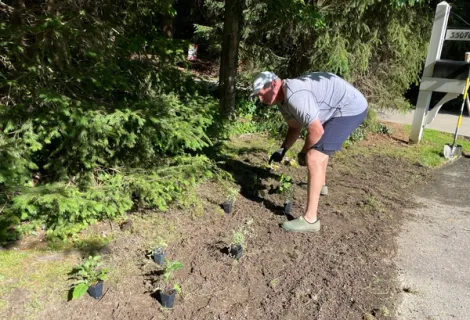
“It's like following a recipe. Choosing from multiple designs is fun.” - Kari
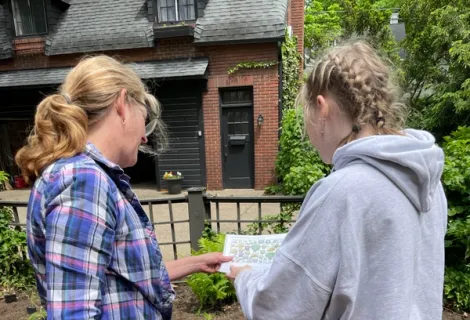
“The process from the website to getting the plants, could not have been easier or more seamless.” - Justin

“I can't believe that we are the house with this beautiful garden.” - Howard
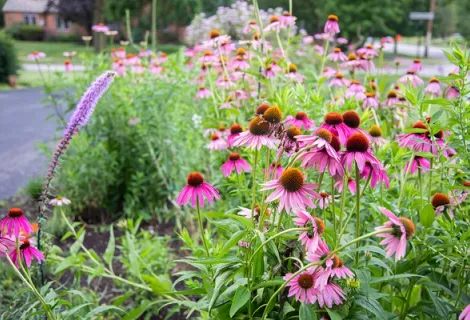
“I've never planted anything in my life. And this was actually quite fun.” - Steve