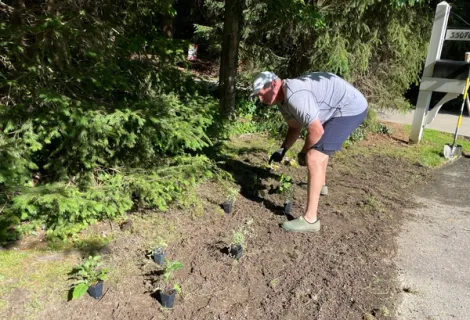
Allow plants to reseed for natural spreading, or deadhead to limit volunteers. If foliage looks tired in midsummer, simply cut it back to encourage fresh growth.
Eastern Columbine
Aquilegia canadensis
$29.99
$34.99
You Save 15%
Reserve Now
Ships the week of September 21.
Select Quantity
3-Pack
3 Plants
$10.00/plant
6-Pack
6 Plants
$9.17/plant
32-Plant Tray
32 Plants
$4.66/plant
Verify Availability
Show Native Range
Enter your ZIP code to verify if these plants are available in your area.
Quantity
Sourced ecologically
Delivered to Your Door
Easy Planting
About this Plant
Eastern Columbine is one of the earliest wildflowers to bloom, helping feed pollinators just as the garden wakes up in spring. Its delicate, nodding red-and-yellow flowers hover above soft, fern-like foliage and are perfectly shaped for hummingbirds, which eagerly visit the nectar-rich blooms. Native bees and butterflies also benefit from this early-season food source.
Exceptionally adaptable, Eastern Columbine grows happily in sun or shade and tolerates a wide range of soils as long as they aren’t overly wet. After flowering, its shiny black seeds scatter naturally, allowing the plant to slowly establish new colonies throughout the garden. Even when not in bloom, its airy foliage adds a graceful texture to woodland edges and mixed native plantings.
Why Choose Eastern Columbine?
- One of the earliest native flowers for pollinators
- A favorite nectar source for hummingbirds
- Thrives in sun or shade and adapts to many soils
- Graceful foliage adds texture to woodland and meadow gardens
- Gently self-sows to create natural drifts
Maintenance Tips
- Eastern Columbine is relatively short-lived; consider allowing some seedlings to establish to maintain your yard's population
- If your columbine's foliage looks tired after flowering, you can cut it back without harming the plant. Be sure to wait until seeds have scattered to allow self-seeding for this short-lived species. In some years, foliage may die back completely on its own.
Details
Soil Types
-
Soil Moisture
-
Sun Exposure
-
Hardiness Zone
USDA 3–8
Plant Type
Flower
Mature Height
-
Mature Width
-
Bloom Color
Red, Yellow
Bloom Time
-
Root Type
Fibrous
Eastern Columbine
$29.99$34.99
Ecological Benefits
Attracts Pollinators
Provides nectar and pollen for bees and other pollinators.
Attracts Butterflies
A nectar source that draws butterflies throughout the season.
Attracts Hummingbirds
Nectar-rich blooms that draw hummingbirds to your garden.
Drought Tolerant
Thrives with minimal watering once established.
Deer Resistant
Less likely to be browsed by deer.
Pet Safe
Non-toxic to cats and dogs.
Butterfly Host
Supports butterfly caterpillars as a host plant.
Birds
Seeds or berries provide food for birds.
Soil Stabilizing
Deep roots help prevent erosion and stabilize soil.
Yard Friendly
A well-behaved growth habit that won't take over your yard.
What Folks Are Saying
“It's like following a recipe. Choosing from multiple designs is fun.” - Kari
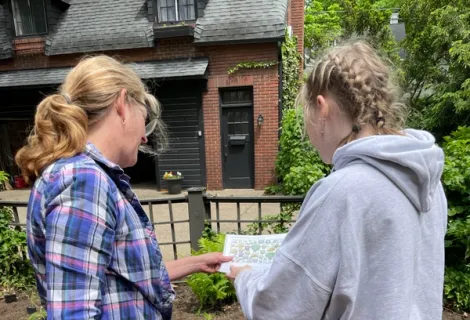
“The process from the website to getting the plants, could not have been easier or more seamless.” - Justin

“I can't believe that we are the house with this beautiful garden.” - Howard
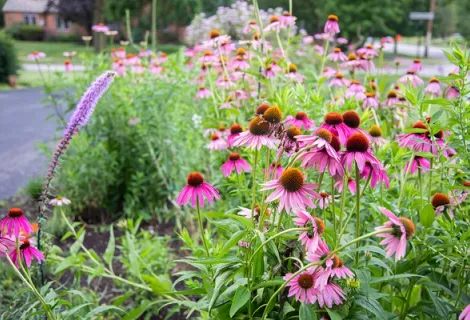
“I've never planted anything in my life. And this was actually quite fun.” - Steve