Eastern Redbud
Cercis canadensis
$49.99
Reserve Now
Ships the week of November 2.
Select Quantity
All shrubs and trees ship as 1 gallon pots.
1 Plant
Out of stock
2 Plants
$44.99/plant
4 Plants
Out of stock
Verify Availability
Show Native Range
Enter your ZIP code to verify if these plants are available in your area.
Quantity
Sourced ecologically
Delivered to Your Door
Easy Planting
About this Plant
Eastern Redbud is one of the most beloved native ornamental trees, offering a dramatic early-spring floral display and year-round charm. Before the leaves emerge, its bare branches become cloaked in vibrant pink to lavender blooms that attract bees and early butterflies. These small, pea-like flowers are not only stunning—they're also edible and can add a seasonal splash to salads or desserts.
After flowering, Eastern Redbud’s heart-shaped leaves emerge, transitioning from reddish-green to a rich summer green and finally to golden-yellow in the fall. This small tree, occasionally growing 20–30 feet tall with a rounded crown, is perfect for understory plantings, garden borders, or as a focal point in smaller yards.
Why Choose Eastern Redbud?
- Spectacular early bloom before most other trees leaf out.
- Pollinator-friendly flowers that support native bees and butterflies.
- Edible blooms for culinary and ornamental flair.
- Year-round beauty with heart-shaped leaves and striking fall color.
-
Great for smaller landscapes—ideal for borders, woodland edges, or street trees.
Maintenance Tips
- Prune after flowering if shaping is needed—avoid heavy pruning in late summer or fall.
- Best sited in well-drained soil with full sun to part shade.
- Benefits from mulching to retain soil moisture and suppress weeds.
- Regular watering during the first few years helps establish deep roots.
- Avoid planting in poorly drained or compacted soils, which can lead to root rot.
Maintenance Tips
- Requires regular watering during the first few years to establish a deep root system, then moderately once mature.
- Prune in late winter or early spring to remove any dead or crossing branches and to maintain shape.
- Prefers well-drained, fertile soil but is adaptable to a variety of soil conditions.
- Apply a layer of mulch around the base to retain moisture and suppress weeds.
- Monitor for signs of pests or diseases, such as canker or verticillium wilt, and manage as needed.
Details
Soil Types
Clay
Loam
Sand
Soil Moisture
Dry
Medium
Sun Exposure
Partial Sun
Full Sun
Hardiness Zone
USDA 4–9
Plant Type
Tree
Mature Height
120”-360”
Mature Width
200”
Bloom Color
Pink
Bloom Time
March - May
Root Type
Taproot
Eastern Redbud
$49.99
Ecological Benefits
Attracts Pollinators
Provides nectar and pollen for bees and other pollinators.
Birds
Seeds or berries provide food for birds.
Butterfly Host
Supports butterfly caterpillars as a host plant.
Attracts Butterflies
A nectar source that draws butterflies throughout the season.
Yard Friendly
A well-behaved growth habit that won't take over your yard.
Soil Stabilizing
Deep roots help prevent erosion and stabilize soil.
Attracts Hummingbirds
Nectar-rich blooms that draw hummingbirds to your garden.
Drought Tolerant
Thrives with minimal watering once established.
Deer Resistant
Less likely to be browsed by deer.
Pet Safe
Non-toxic to cats and dogs.
What Folks Are Saying
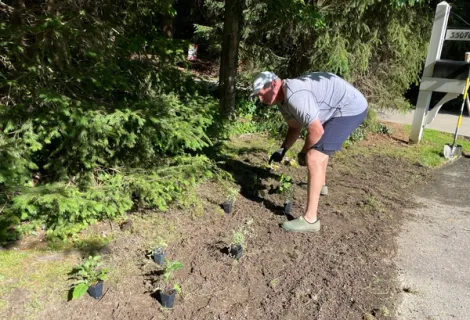
“It's like following a recipe. Choosing from multiple designs is fun.” - Kari
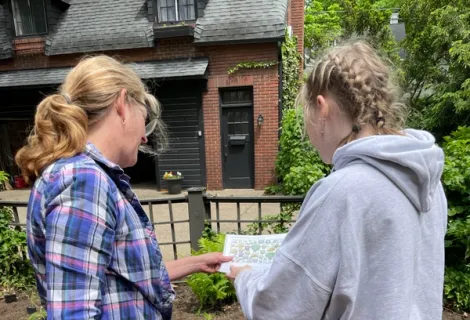
“The process from the website to getting the plants, could not have been easier or more seamless.” - Justin

“I can't believe that we are the house with this beautiful garden.” - Howard
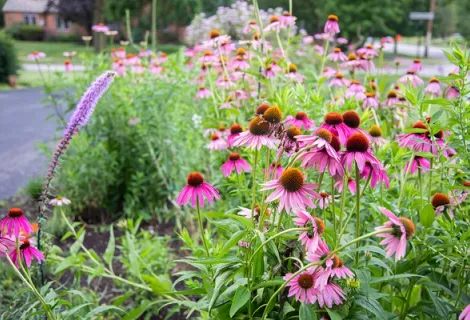
“I've never planted anything in my life. And this was actually quite fun.” - Steve