Lowbush Blueberry
Vaccinium angustifolium
$49.99
Out of Stock
Currently unavailable — check back soon.
Select Quantity
All shrubs and trees ship as 1 gallon pots.
1 Plant
Out of stock
2 Plants
Out of stock
4 Plants
Out of stock
Verify Availability
Show Native Range
Enter your ZIP code to verify if these plants are available in your area.
Quantity
Sourced ecologically
Delivered to Your Door
Easy Planting
About this Plant
Lowbush Blueberry is a low-growing, spreading shrub that brings both ecological value and seasonal beauty to the garden. Reaching just 6 to 24 inches in height, it’s perfect for use as a native ground cover, border planting, or under taller shrubs and trees. In spring, it produces dainty white to pinkish bell-shaped flowers that attract native pollinators. By mid to late summer, these give way to sweet, dark blueberries that support birds and other wildlife—or make a delicious snack if you beat the birds to the harvest. Fall foliage turns brilliant shades of red and scarlet, providing a fiery burst of color as the season winds down.
Why choose Lowbush Blueberry?
- Edible & Ecological: Provides tasty fruit for humans and birds alike while supporting pollinators in spring.
- Compact Native Groundcover: A spreading habit and short stature make it ideal for massing or underplanting.
- Excellent Fall Color: Turns vivid red in autumn, offering ornamental impact even after fruiting.
-
Adaptable & Tough: Thrives in poor, acidic soils and tolerates drought once established.
Maintenance Tips
- Soil is Key: Prefers acidic, well-drained soils. Avoid liming nearby soil or planting with alkaline companions.
- Prune in Late Winter or Early Spring to remove dead stems and encourage fresh growth.
- Mulch with Pine Needles or Bark to help maintain soil acidity and moisture.
-
Control Spread if Needed by digging up new runners or letting them form a lush patch.
Maintenance Tips
- Prefers evenly moist soil; water regularly, especially during dry periods and when fruits are developing.
- Prune every few years to remove older stems and promote vigorous new growth, which enhances berry production.
- Thrives in acidic, well-drained soils; amend with peat moss or pine bark to maintain acidity.
- Apply a layer of pine needles or shredded leaves to help maintain soil moisture and acidity.
- Check for pests like aphids and diseases such as powdery mildew, managing them as needed to keep plants healthy.
Details
Soil Types
Loam
Sand
Gravel
Soil Moisture
Dry
Medium
Moist
Sun Exposure
Partial Sun
Full Sun
Hardiness Zone
USDA 2–7
Plant Type
Shrub
Mature Height
6”-24”
Mature Width
24”
Bloom Color
Pink
Bloom Time
May - June
Root Type
Rhizome
Lowbush Blueberry
$49.99
Ecological Benefits
Attracts Pollinators
Provides nectar and pollen for bees and other pollinators.
Birds
Seeds or berries provide food for birds.
Butterfly Host
Supports butterfly caterpillars as a host plant.
Soil Stabilizing
Deep roots help prevent erosion and stabilize soil.
Attracts Butterflies
A nectar source that draws butterflies throughout the season.
Deer Resistant
Less likely to be browsed by deer.
Drought Tolerant
Thrives with minimal watering once established.
Yard Friendly
A well-behaved growth habit that won't take over your yard.
Pet Safe
Non-toxic to cats and dogs.
What Folks Are Saying
“It's like following a recipe. Choosing from multiple designs is fun.” - Kari
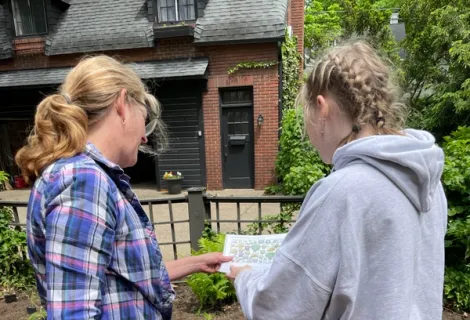
“The process from the website to getting the plants, could not have been easier or more seamless.” - Justin

“I can't believe that we are the house with this beautiful garden.” - Howard
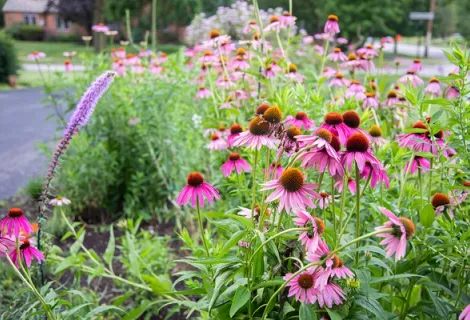
“I've never planted anything in my life. And this was actually quite fun.” - Steve