Red Chokeberry
Aronia arbutifolia
$49.99
Out of Stock
Currently unavailable — check back soon.
Select Quantity
All shrubs and trees ship as 1 gallon pots.
1 Plant
Out of stock
2 Plants
Out of stock
4 Plants
Out of stock
Verify Availability
Show Native Range
Enter your ZIP code to verify if these plants are available in your area.
Quantity
Sourced ecologically
Delivered to Your Door
Easy Planting
About this Plant
Red Chokeberry is a brilliant four-season native shrub that adds ornamental flair and ecological function to any garden. In spring, it offers clusters of white, lightly fragrant flowers that attract early-season pollinators. These are followed by glossy green leaves that turn vivid shades of scarlet, orange, and burgundy in fall—delivering one of the most spectacular autumn displays among native shrubs.
By late summer, it produces bright red berries that persist well into winter, offering vital cold-season nutrition for songbirds. Though the berries are too astringent to enjoy raw, they can be transformed into jellies, juices, or wine.
Why choose Red Chokeberry?
- Top-tier fall color for unmatched seasonal drama.
- Berries that feed birds in winter—especially robins, waxwings, and thrushes.
- Pollinator-friendly blooms that support native bees.
- Great for rain gardens and clay soils—tolerates both wet and average sites.
-
Compact and adaptable—ideal for hedgerows, borders, and naturalized spaces.
Maintenance Tips
- Prune in late winter or early spring to maintain shape or rejuvenate older shrubs.
- Can spread by suckers—remove new shoots if a tighter form is preferred.
- Tolerates a wide range of soil types, but avoid extremely dry locations.
- Mulch annually to retain moisture and suppress weeds.
- Berry production is improved with full sun but still occurs in part shade.
Maintenance Tips
- Suckers can form colonies—remove them if you prefer a tidier look.
- Prune after flowering to maintain shape and encourage denser growth.
- Tolerates wet, average, or clay soils but prefers full sun to part shade.
- Deer-resistant and low-maintenance once established.
- Berries may ferment if left on late into winter—beneficial for birds but can be messy near walkways.
Details
Soil Types
-
Soil Moisture
-
Sun Exposure
-
Hardiness Zone
USDA 4–9
Plant Type
Shrub
Mature Height
-
Mature Width
-
Bloom Color
White
Bloom Time
-
Root Type
Fibrous / Suckering
Red Chokeberry
$49.99
Ecological Benefits
Attracts Pollinators
Provides nectar and pollen for bees and other pollinators.
Birds
Seeds or berries provide food for birds.
Butterfly Host
Supports butterfly caterpillars as a host plant.
Soil Stabilizing
Deep roots help prevent erosion and stabilize soil.
Attracts Butterflies
A nectar source that draws butterflies throughout the season.
Deer Resistant
Less likely to be browsed by deer.
What Folks Are Saying
“It's like following a recipe. Choosing from multiple designs is fun.” - Kari
“The process from the website to getting the plants, could not have been easier or more seamless.” - Justin

“I can't believe that we are the house with this beautiful garden.” - Howard
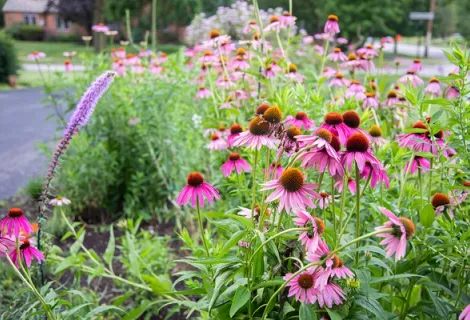
“I've never planted anything in my life. And this was actually quite fun.” - Steve