Florida Native Plants: A Practical Guide for Your Yard

Florida is a difficult state to squeeze into a single plant list and that is exactly what makes gardening here interesting.
A yard in Tallahassee experiences winter cold that a garden in Miami may never see. Central Florida sits between those worlds, while coastal landscapes add salt spray, wind, and sandy soils to the equation. Even two homes in the same neighborhood can have completely different conditions depending on shade, drainage, irrigation, and what happened to the soil before the houses went in.
So the useful question is not simply, “What plants are native to Florida?”
It is: “Which Florida native plants belong in my part of the state and fit the conditions in my yard?”
That distinction matters. People searching for “FL native plants” are often looking for something much more specific than a statewide species list: beautiful native plants that can actually work in a residential landscape.
Get that right, and native plants can give you much more than a Florida-themed garden. They can create colorful, resilient landscapes that support butterflies, birds, bees, and other wildlife while relying less on constant irrigation, fertilizer, and intervention once established.
Find Native Plants for Your Florida Garden
Shopping from Florida? Make sure Florida is selected as your location, then explore native flowers, grasses, shrubs, and trees available for your area.
Florida Native Plants Are Not One-Size-Fits-All
One of the biggest mistakes in Florida gardening is treating the entire state as if it has the same climate.
North Florida experiences cooler winters and more pronounced seasonal change. Native species that comfortably handle conditions around Tallahassee, Gainesville, or Jacksonville may be poorly suited to the tropical influence of the far south.
Central Florida occupies a broad transition zone. Winters are generally milder, but freezes can still occur, and growing conditions can shift dramatically between inland sites, the coasts, dry sandy soils, and wetter landscapes.
South Florida is increasingly subtropical to tropical, opening the door to native plant species that simply do not occur farther north. Wild coffee, firebush, coontie, and many South Florida specialists can thrive here when planted in the right conditions.
That regional variation is why a plant being native to Florida is only the first filter. County-level native range, full sun or partial shade, soil moisture, salt exposure, and mature size all matter too.
What Counts as Native to Florida?
A native species is one that occurred in Florida without being introduced by people from another part of the world.
That sounds simple, but garden-center terminology can muddy the water. A plant described as “Florida-Friendly,” drought tolerant, pollinator-friendly, or well adapted to Florida is not necessarily native to Florida.
There is nothing wrong with understanding those other categories, but they are not interchangeable. If your goal is to rebuild habitat and strengthen relationships between plants and local wildlife, actual regional nativity matters.
Native Florida plants also differ tremendously in form. The category includes flowering perennials, ground cover, ornamental grass, evergreen shrubs, small trees, large shade trees, vines, palms, and even Florida’s only native cycad.
If you are new to the subject, our Native Plants 101 guide goes deeper into the difference between native, non-native, and invasive plants and how those distinctions affect garden design.
For deeper Florida-specific research, the Florida Native Plant Society Plant Database is also an excellent resource because plants can be filtered by county, light, moisture, soil, wildlife value, and other growing conditions.
External link: Florida Native Plant Society Plant Database
Start With Your Yard, Not a List of Plants
Before choosing plant species, spend a little time reading the site.
How many hours of direct sun does the planting area receive? Does water disappear quickly after a storm, or does the soil stay wet? Is the ground naturally sandy? Are you close enough to the coast for salt spray to matter?
Those answers dramatically narrow the plant list.
A native plant that naturally grows in dry, open pinelands will not necessarily enjoy a low, soggy corner simply because both locations happen to be in Florida. Likewise, a woodland species adapted to partial shade may struggle in an exposed bed receiving blazing afternoon sun.
This is the familiar right plant, right place principle, but Florida makes it especially important.
Once established in appropriate conditions, many Florida native plants can require less supplemental water and fertilizer than poorly matched ornamentals. Native does not mean indestructible, though, and newly installed plants still need thoughtful establishment care.
UF/IFAS maintains an extensive Florida native plant resource covering everything from ground cover and ornamental grasses to shrubs, vines, palms, and shade trees.
Best Native Plants for Florida Gardens
There is no single “best native plant” for every Florida yard, but there are excellent starting points for residential landscapes.
The most useful plant palette includes different forms rather than twenty flowering species competing for the same layer of the garden.
Think colorful flowers for seasonal interest, native grasses for movement and structure, evergreen plants and shrubs for year-round mass, vines for vertical interest, and trees or palms where the space allows.
Black-Eyed Susan
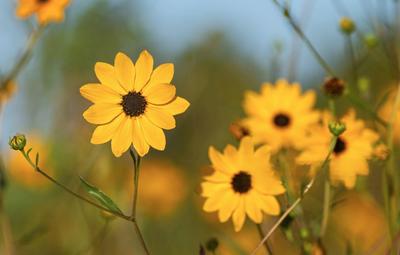
Black-eyed Susan (Rudbeckia hirta) is an approachable native wildflower with bright yellow flowers and the loose, cheerful look many people want from a pollinator garden.
It works especially well in sunny plantings alongside ornamental grass and other flowering perennials. Its long flowering season also helps keep color moving through the warmer months.
Tickseed
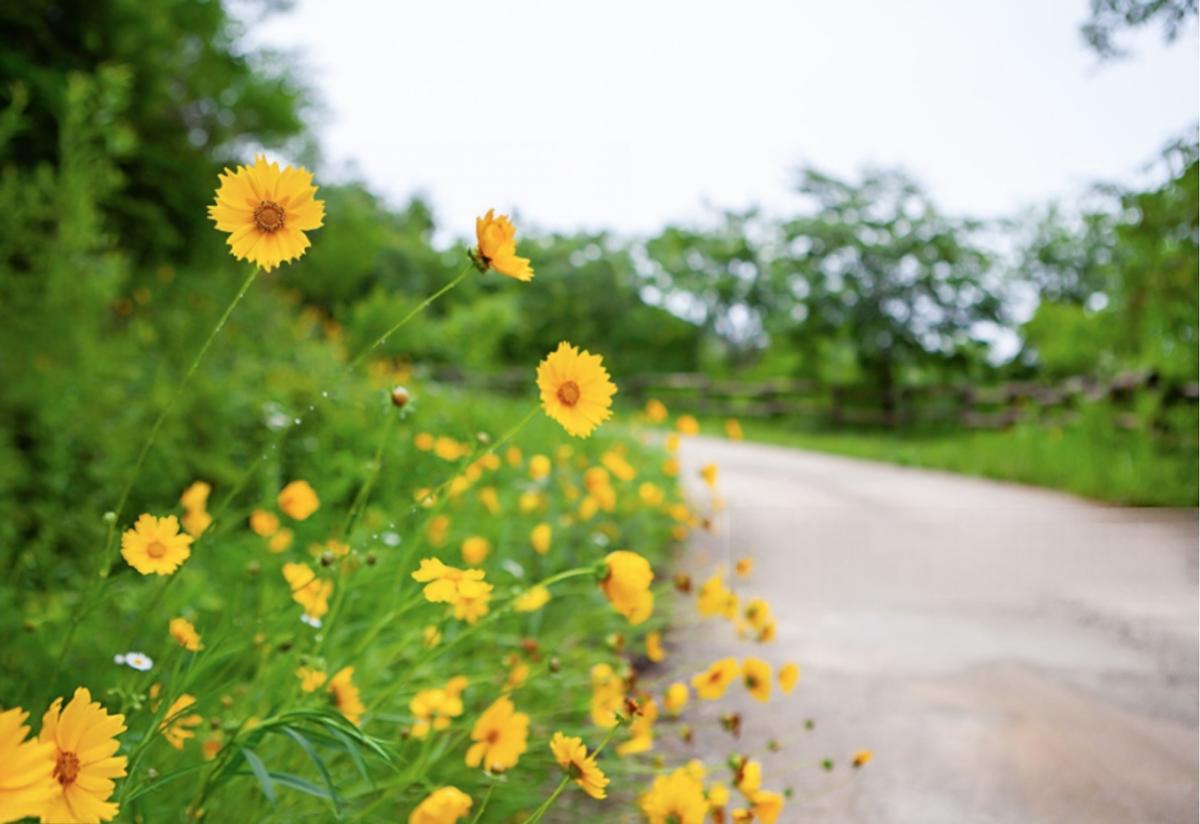
Florida has such a strong relationship with Coreopsis, or tickseed, that the genus is recognized as the state wildflower.
Its bright yellow flowers, represented well by Lanceleaf Coreopsis, feel completely at home in a Florida landscape, and different native species occur in different parts of the state and under different moisture conditions.
Rather than assuming every Coreopsis is interchangeable, choose a species appropriate to your region and site.
Butterfly Milkweed and Other Florida Native Milkweeds
Milkweed deserves a place in the conversation whenever wildlife is one of your goals.
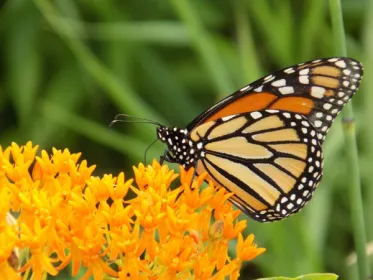
Butterfly milkweed (Asclepias tuberosa) produces bright orange flowers and performs best in full sun with well-drained soil. Other Florida native milkweeds occupy wetter or otherwise different habitats.
The important point is not to buy whichever milkweed happens to be on a garden-center bench. Monarch caterpillars depend on milkweed as a larval host plant, so choose an Asclepias species genuinely native to your part of Florida and suited to your site.
Browse Milkweed Plants for Florida →
Muhly Grass Adds Structure Without Looking Heavy
Flowers tend to get the attention, but grasses are often what make a native planting look finished.
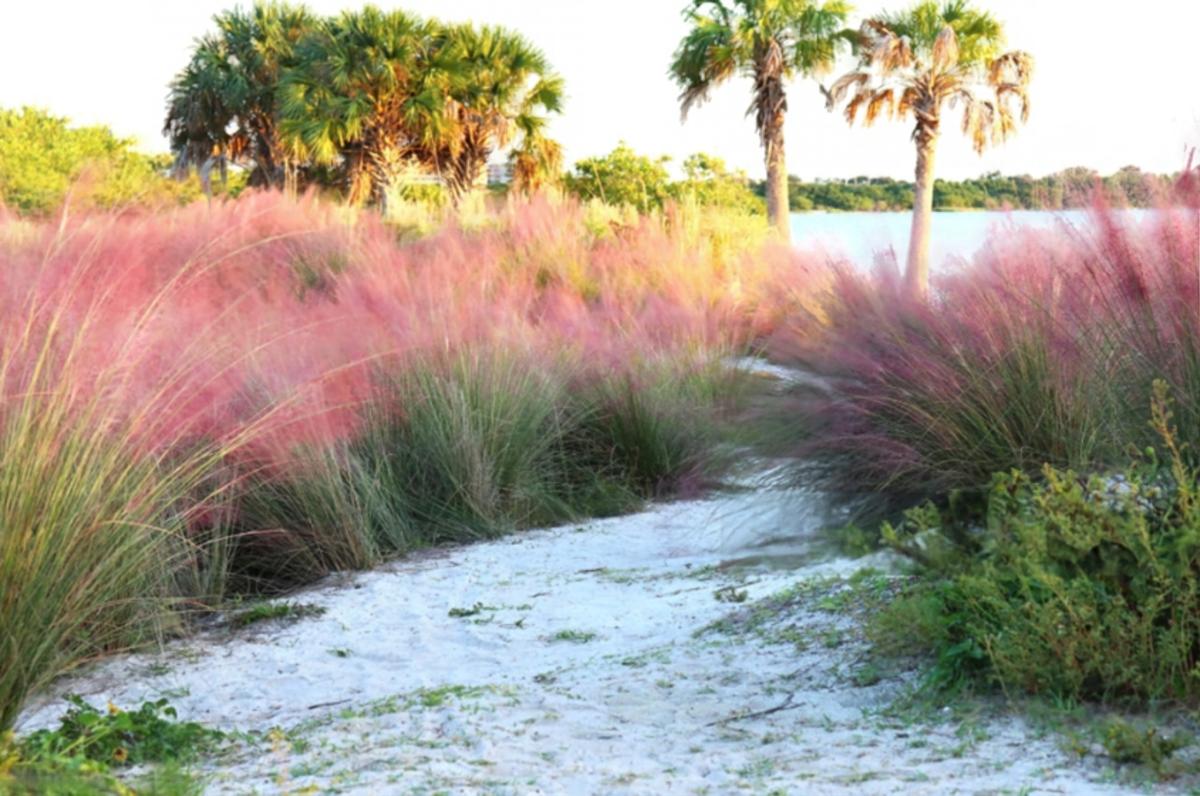
Muhly grass is one of Florida’s most recognizable native ornamental grasses. Its fine, bright green foliage forms a neat mass through much of the year before airy pink-purple flower plumes create a dramatic display later in the season.
It works particularly well when repeated rather than planted as a single specimen. A group of muhly grasses can create rhythm along a walkway, anchor flowering perennials, or soften the transition between a garden bed and lawn.
That combination of structure and movement is useful in Florida gardens, where an all-flower palette can otherwise become visually busy.
Purple Lovegrass performs a similar role and is both native and highly adaptable across the state.
Coral Honeysuckle Adds a Vertical Layer
Not every useful native plant has to occupy ground space.
Coral honeysuckle (Lonicera sempervirens) can climb a trellis, fence, arbor, or other support while producing tubular flowers visited by hummingbirds and butterflies.
That makes coral honeysuckle especially useful in smaller yards where adding another spreading shrub might make the planting feel crowded.
A vine also gives you another ecological and visual layer. Instead of designing only across the ground plane, you can move flowers and habitat upward.
Coral Bean Brings Bold Color to Warm Florida Gardens
Coral bean (Erythrina herbacea) is another distinctly Floridian native plant, with upright stems and vivid red flowers that can add a dramatic accent to a wildlife garden.
Its tubular blooms can attract hummingbirds, and the plant works particularly well where a loose, naturalistic shrub or specimen plant fits the design.
Coral bean is a good reminder that some of Florida’s best native plants are not restrained little border perennials. Native landscapes can include bold forms and colorful flowers while still supporting local wildlife.
Native Shrubs Add Wildlife Value and Year-Round Presence
A good native garden should still have something to look at when peak bloom is over.
Shrubs provide that backbone.
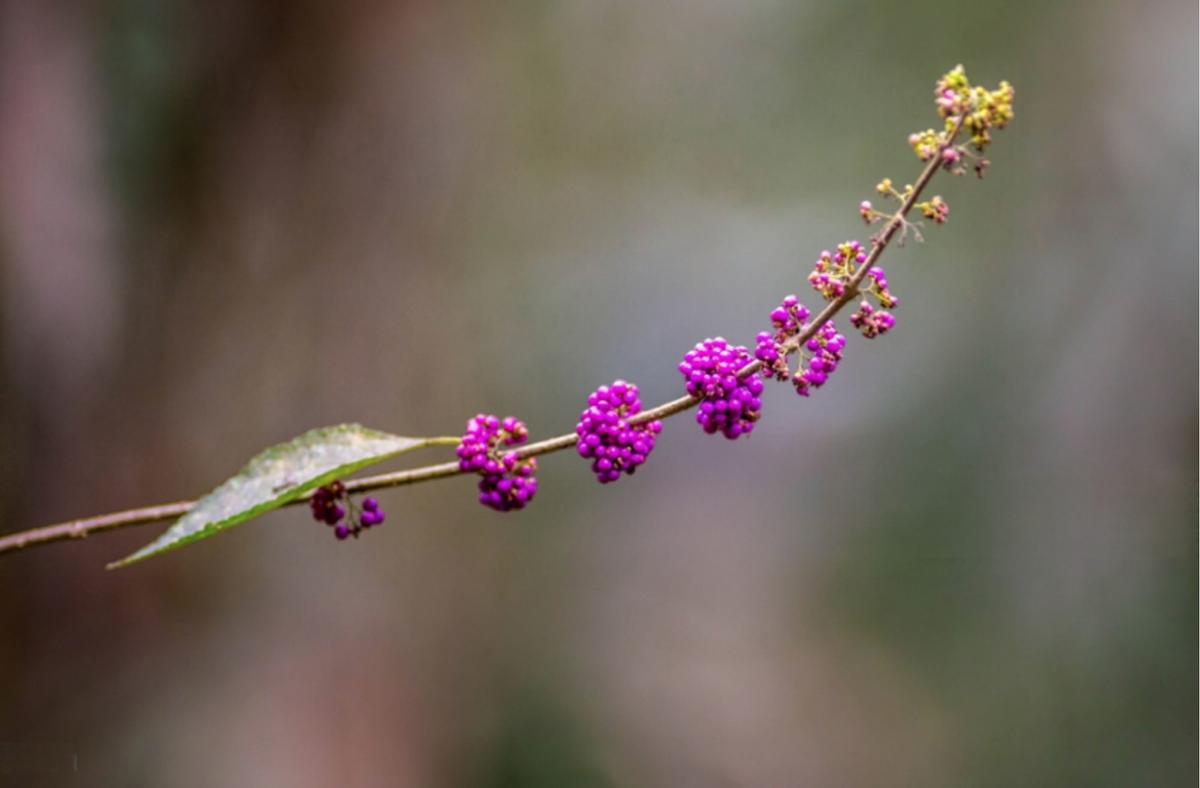
American beautyberry (Callicarpa americana) is a standout example. Its flowers are relatively understated, but the clusters of bright purple fruits later in the season are anything but. Birds eat the fruits, making beautyberry both ornamental and useful habitat.
Wild coffee brings glossy dark green leaves, small flowers, and bright red fruits to shady or partially shaded landscapes, particularly in Central and South Florida.
Firebush is another Central and South Florida favorite, producing bright orange-red tubular flowers that attract butterflies and hummingbirds.
Southern wax myrtle can provide evergreen structure, screening, and wildlife value where a larger spreading shrub or small tree fits the space.
These plants illustrate why a native garden does not have to mean “wildflower meadow.” Native evergreen shrubs and fruiting plants can create the same polished structural layer that traditional ornamentals provide while connecting the landscape more closely to Florida wildlife.
Coontie Is One of Florida’s Most Distinctive Native Species
Few Florida natives look quite like coontie.
This low, evergreen cycad produces stiff, dark green leaves that can look surprisingly architectural in a designed landscape. It tolerates a range of conditions and works particularly well where you want a strong foliage plant rather than another mass of flowers.
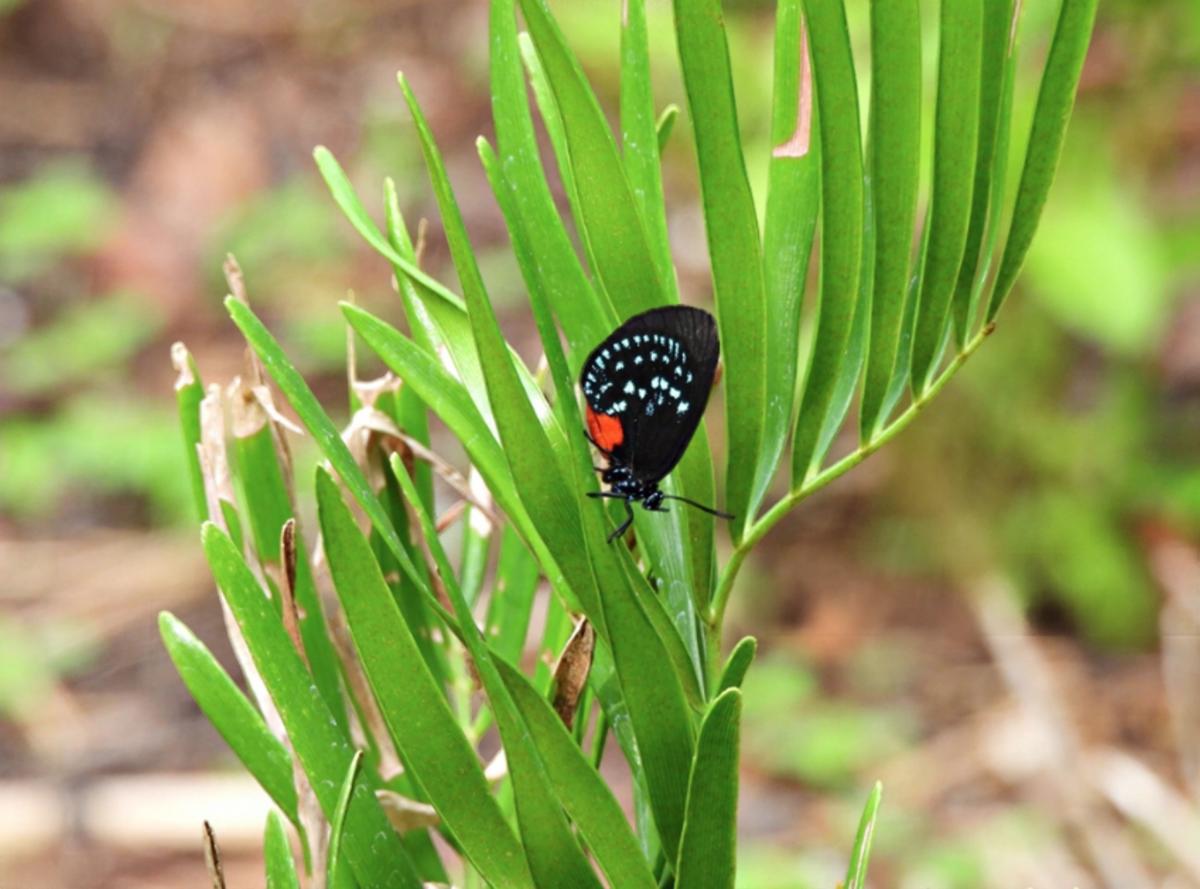
Coontie is also ecologically notable as Florida’s only native cycad and as a larval host plant for the Atala butterfly.
That relationship is a great example of why native planting is about more than attracting adult butterflies to nectar. Host plants allow insects to complete their life cycles.
Cabbage Palm and Florida’s Native Trees
Where space allows, native trees and palms transform a garden from a flower bed into habitat.
Cabbage palm (Sabal palmetto), Florida’s state tree, provides unmistakable regional character with its fan-shaped leaves and upright form.
Southern live oak (Quercus virginiana) can eventually become a defining shade tree in landscapes with enough room. Oaks also support an extraordinary web of insects and other wildlife, making them much more than background greenery.
Native pines, including regionally appropriate slash pine and other Florida pine species, can play a similarly important role in the right landscape.
Some coastal plantings also require native species capable of handling salt spray, drying wind, and sandy soils. Salt-tolerant plants can make the difference between a resilient coastal landscape and a planting that requires constant replacement.
These are not plants to squeeze into a small suburban bed simply to check a “native tree” box. Mature size matters. But where the site is appropriate, canopy plants create habitat and cooling shade that smaller perennials cannot provide.
Choose Florida Native Plants for Wildlife, Not Just Flowers
One of the easiest ways to improve a native landscape is to stop asking only, “What blooms the prettiest?”
Different plants do different jobs.
Florida native milkweeds provide foliage for monarch caterpillars. Coontie supports Atala caterpillars. Coral honeysuckle provides tubular flowers attractive to hummingbirds. Beautyberry supplies purple fruits eaten by birds. Native flowers provide pollen and nectar to bees and other pollinators.
A diversity of native plants stitches those roles together.
This is why ten plants of several complementary species can often create more useful habitat than ten unrelated “pollinator plants” chosen only because they happened to be flowering at the nursery that week.
Florida Native Plants by Region
A useful Florida plant list should change depending on where you live.
North Florida Native Plants
For North Florida, lean toward native species that tolerate cooler winters and naturally occur in the northern part of the state.
Black-Eyed Susan, native Coreopsis species, butterfly milkweed, native asters, grasses, oaks, and appropriate pines can all contribute to a distinctly North Florida planting.
Some North Florida gardens can support plant combinations that would feel more familiar to gardeners elsewhere in the Southeast, particularly when winter dormancy is more pronounced.
Central Florida Native Plants
Central Florida offers one of the broadest native palettes because it overlaps ecologically with both northern and southern portions of the state.
Muhly grass, beautyberry, coral honeysuckle, milkweeds, coontie, firebush in appropriate areas, and a wide range of flowering perennials can create layered gardens suited to local soils and exposure.
Central Florida landscapes can also vary sharply from moist sites to extremely dry sandy soils, so site conditions remain just as important as geography.
South Florida Native Plants
In South Florida, warm-climate natives such as wild coffee, firebush, coontie, cabbage palm, and regionally appropriate evergreen shrubs become increasingly important.
Coastal South Florida gardens may also require plant species able to tolerate salt spray, wind, intense sun, and fast-draining sandy soils.
Do not treat these regions as hard borders. Florida plant distributions are more complicated than three horizontal stripes across a map.
Use North, Central, and South Florida as the beginning of the filtering process, then check actual native range and growing conditions.
Planting Florida Native Species: Establishment Still Matters
Native plants may be adapted to Florida, but a nursery-grown plant still has to make the transition into your yard.
Regular watering during establishment is important, especially when planting into hot or dry conditions. The goal is to help roots expand into the surrounding soil rather than keeping the original root ball permanently wet.
Fall is often an excellent planting window in Florida because moderating temperatures can reduce stress while roots establish before another intense summer.
Avoid assuming fertilizer will solve every problem. When regionally appropriate native species are matched to suitable soil and conditions, many established plants can perform with little additional fertilization.
And resist the urge to turn every native bed into an island of thick mulch. Mulch can help during establishment, but the long-term goal should be living plants filling more of the available space.
Design Florida Native Plants Like a Garden
Native does not have to mean messy.
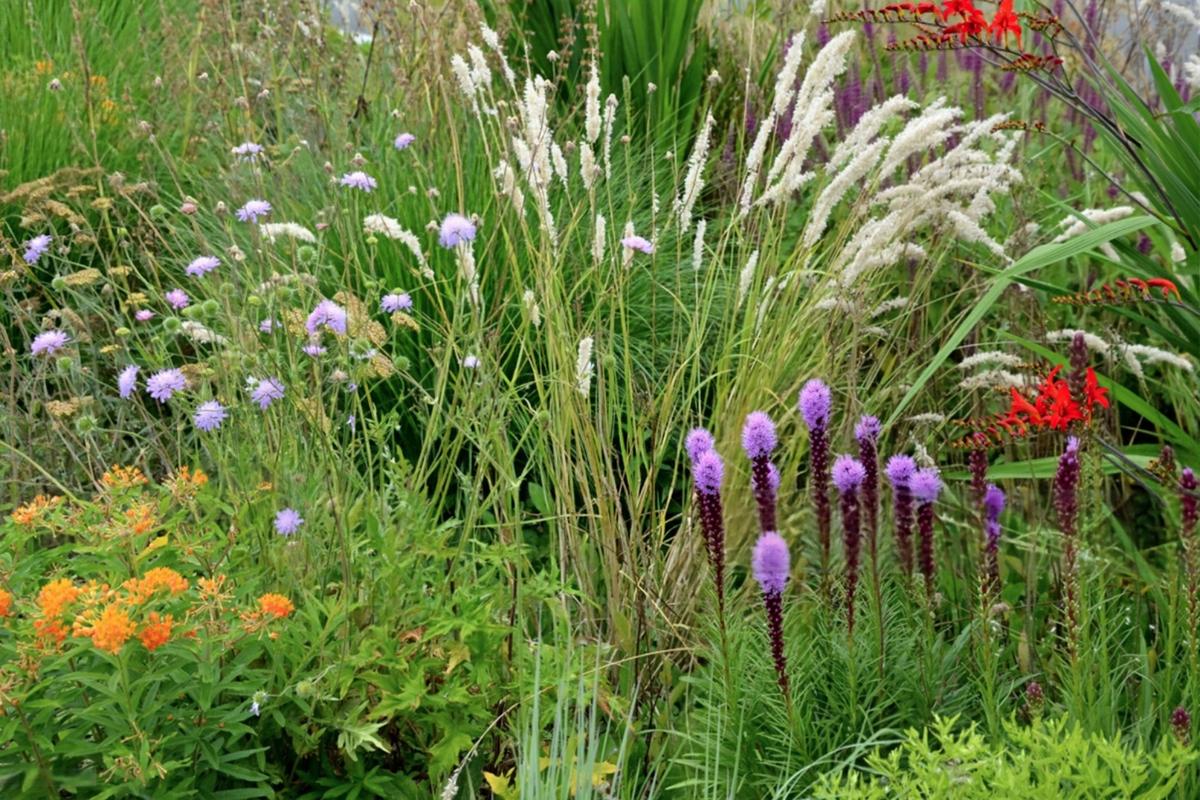
Use repetition. Plant three or five of an important flowering perennial rather than one of everything. Repeat muhly grass or another structural plant to tie different areas together.
Think in layers: ground cover near the front, flowering perennials and ornamental grasses through the middle, evergreen shrubs behind them, and small trees, shade trees, or cabbage palms where scale allows.
Keep bed edges intentional, especially in visible front-yard landscapes. Paths, stone, lawn edges, or other clear boundaries tell the eye that a naturalistic planting was designed on purpose.
And plan for more than spring and summer flowers. Florida offers enough growing season to create interest across much of the year through colorful flowers, seedheads, berries, evergreen foliage, grasses, and wildlife activity.
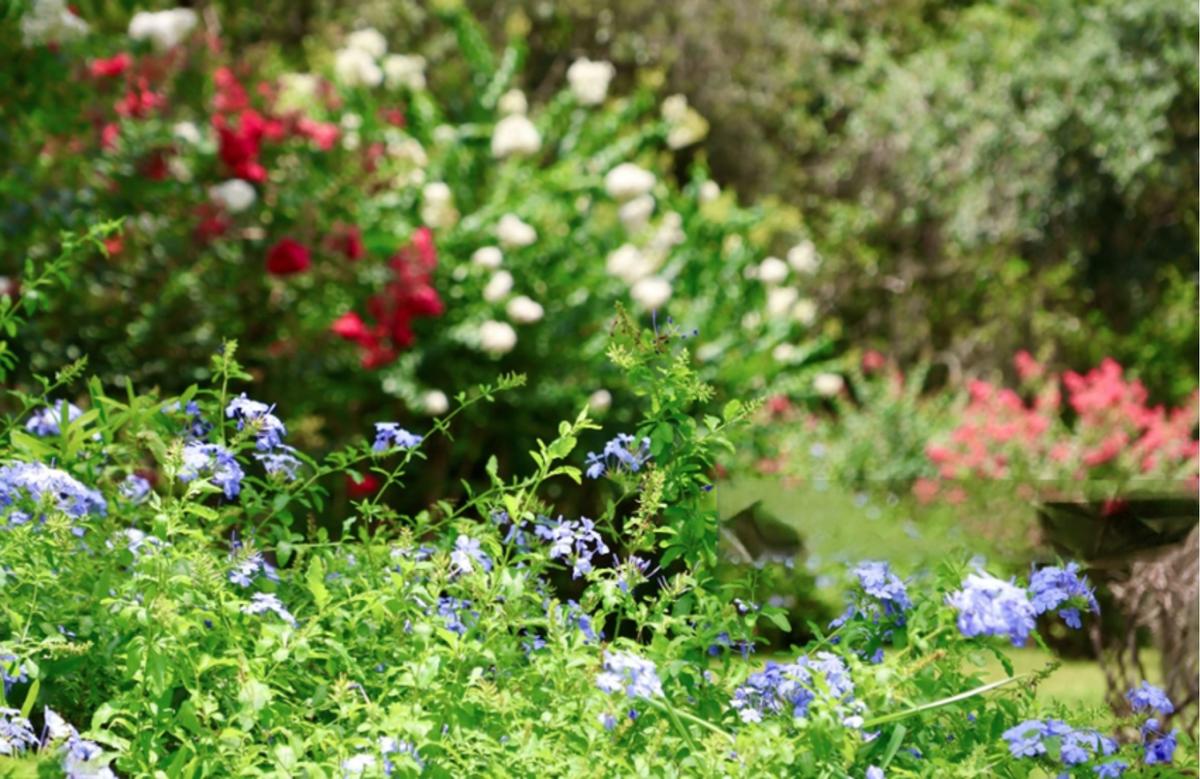
Start With the Native Florida Plants That Fit Your Yard
You do not need to plant every wonderful native plant Florida has to offer.
You need a manageable group of plants that belong in your region, match your light and soil, work together visually, and support the kinds of wildlife you care about.
That might mean butterfly milkweed and colorful flowers in a sunny, dry bed. It might mean beautyberry and wild coffee in partial shade. It could be muhly grass along a walkway, coral honeysuckle climbing a fence, coral bean as a bold specimen plant, or a larger landscape built around native shrubs and canopy trees.
Start with the conditions you have instead of the garden you think you are supposed to have.
Then let Florida do some of the design work for you.
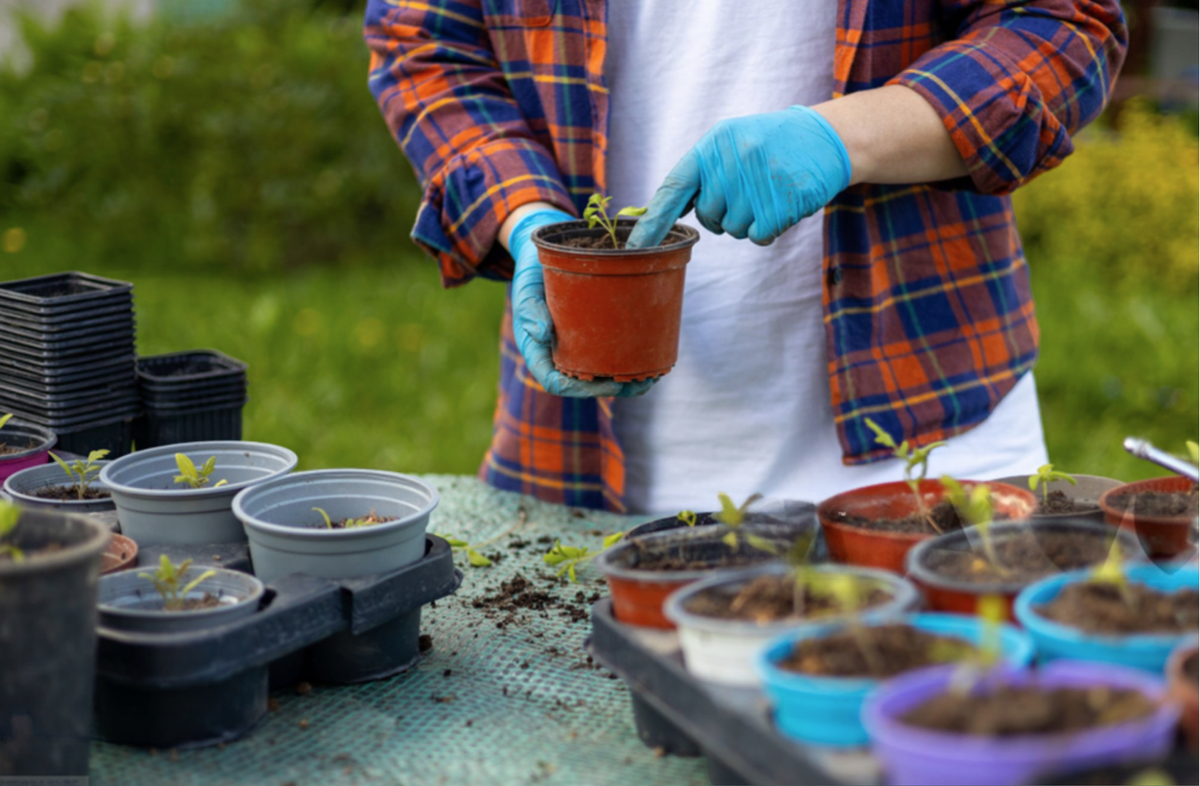
Ready to Build Your Florida Native Garden?
Make sure Florida is selected as your location so the plants and gardens you see are appropriate for your area.
Shop Individual Native Plants →
Prefer to choose the plants yourself but want the convenience of a complete tray?
Create Your Own Native Garden →
Want the planting palette and design decisions handled for you?
Share this article