Bearberry
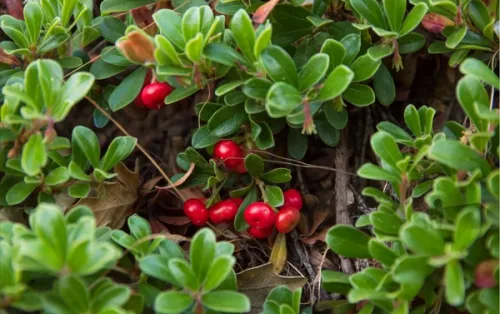
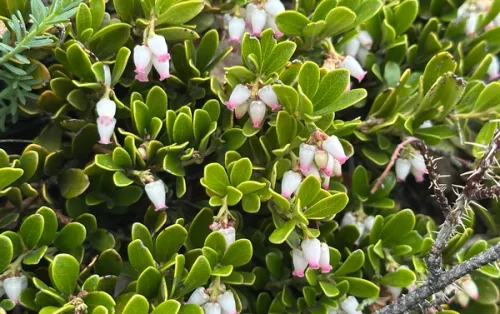
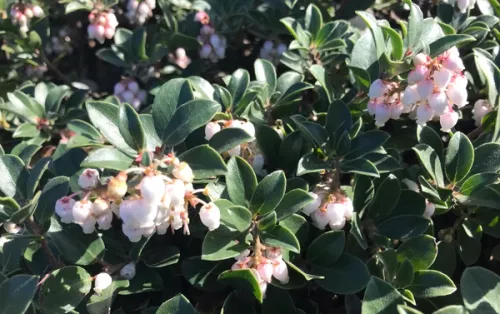
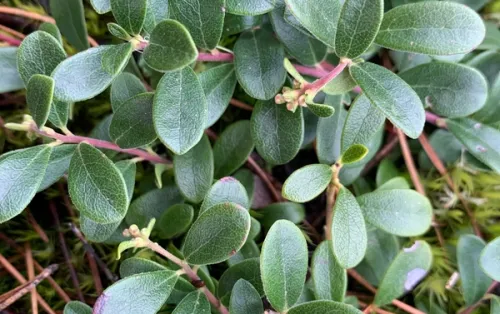
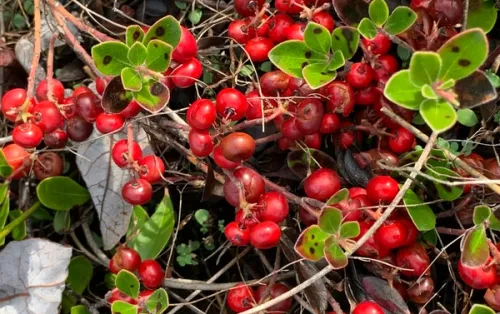
Bearberry - also called Kinnikinnick or Sandberry - hugs the ground with trailing woody stems and small, glossy evergreen leaves, creating a handsome living carpet that stays only a few inches tall. Delicate, urn-shaped flowers emerge in spring, blushed with white and pink, before giving way to bright red berries that can persist into winter. Its foliage may also take on reddish or purplish tones in cold weather, extending the show well beyond the growing season.
This is a particularly useful native groundcover for exposed slopes, rock gardens, sandy banks, and other lean sites where richer-soil plants may struggle. Its spreading stems gradually form a dense, erosion-fighting mat, while its flowers provide forage for pollinators and its fruit feeds birds and other wildlife. Bearberry is selective about its home, however: it performs best in sunny, acidic, sharply drained soil and is poorly suited to wet ground, heavy clay, or hot and humid sites.
Details
Range Map
record
Ecological Benefits
Maintenance Tips
- Water consistently while Bearberry establishes, then allow the soil to dry between waterings.
- Avoid fertilizer, wet soil, and root disturbance.
- Once settled in, plants generally need little more than occasional trimming to guide wayward stems.