Front Yards, HOAs, and Curb Appeal

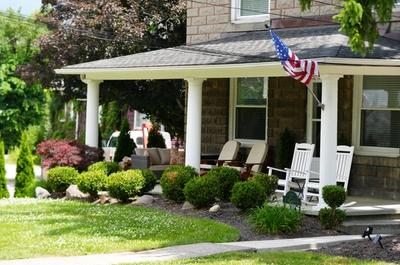
Your front yard is the most visible part of your property and one of the most powerful places to showcase native plants. With a few smart design moves, you can create a front garden that feels tidy and welcoming, keeps HOAs and neighbors comfortable, and still offers real food and shelter for pollinators and birds. This guide walks you through reading your rules, using “tidy” design cues, and structuring planting zones so your native front yard looks like an upgrade, not a fight with the neighborhood.
Why Your Front Yard Is a High‑Impact Place for Native Plants
Native front yards can:
- Boost curb appeal and perceived property value.
- Turn low‑function lawn into welcoming, life‑filled space.
- Create visible “demo” habitat that can influence neighbors and HOAs.
The front yard is prime “billboard space” for your home, so any investment in design and planting pays off in daily enjoyment and perceived property value. When you swap some lawn for layered native beds with clear edges and seasonal interest, you turn a low‑function space into something that feels welcoming, distinct, and full of life.
Because front yards are so visible, they also have outsized ecological impact. A relatively small planting can become an important butterfly foraging stop along a neighborhood corridor, and when it still looks tidy and intentional, it can inspire neighbors or HOA boards to be more open to native landscapes in general, vastly expanding potential positive impact.
When you review rules, look for:
- Maximum plant heights, especially near sidewalks and corners.
- Requirements for lawn coverage or “maintained” appearance.
- Definitions of “weeds” or “unkempt” yards.
- Any approved plant lists or prohibited species.
Before making big front‑yard changes, it helps to understand what your HOA or local guidelines actually say. Many rules focus on height, sightlines, and “neatness” rather than specific plant species, which gives you room to work with natives as long as the garden looks cared for.
Look for key requirements like maximum plant height near sidewalks and corners, expectations around lawn coverage, and any rules about “weeds” or “unkempt” yards. Knowing these ahead of time lets you design within the lines - keeping taller plants set back, using crisp edges, and maintaining paths - so your native garden feels compliant and reduces the chance of complaints. HOAs are increasingly aware of the importance and beauty of native plants so it could also be worth starting a conversation with any receptive members of your HOA to determine an agreeable approach.
To make a native front yard look tidy and intentional, lean on:
- Clear edges to frame more naturalistic planting.
- Repetition of a short list of “signature” plants.
- Mostly smaller, clumping species near sidewalks and entries.
Certain design choices immediately reassure people that a garden is intentional. Here are some that will work well whether you’re planting in an HOA or just want to maintain a tidier look in your front yard.
Clear Edges like a mown strip, stone or metal edging, or a defined border along sidewalks and driveways frame more exuberant planting inside and make even diverse mixes of natives read as a garden instead of a patch of weeds.
Repetition is another powerful tool. Using a short list of “signature” grasses, perennials, or shrubs and repeating them across the front yard creates rhythm and cohesion, calming the overall look for human eyes while forming larger, more useful foraging patches for pollinators.
Selecting Smaller and Less Aggressive Species is perhaps an obvious but no less useful method for improving the tidy aesthetic quality and perceived intentionality quality of your planting. Planting native species that grow to no more than 2 or 3 feet, spread slowly, and tend to form clumps as they become established will set you up for success in cases where time for aesthetic maintenance is going to be limited. Many native species fit this bill and My Home Park can lend a hand in selecting some good fits for your yard.
Building Front‑Yard Planting Zones (Entry, Street Edge, Foundations)
Think of your front yard in three main zones:
- Entry zone: Lower and medium‑height plants framing paths and steps.
- Street edge: Neat low plants near the sidewalk, with slightly taller plants behind.
- Foundation zone: Layered planting from low in front to taller near the house.
Thinking in zones helps you match design intensity and plant height to how each part of the front yard is used and viewed. Around the entry, lower and medium‑height plants with clear lines and strong seasonal color can frame paths and steps, making the front door feel welcoming and easy to find.
Along the street edge, a combination of neat low plants near the sidewalk and slightly taller perennials and grasses behind can soften the transition from public to private space without blocking sightlines (check out our Driveways, Parkways, and Hellstrips guide for more). Around foundations, layering from low in front to taller against the house hides bare lower walls, integrates your home with the landscape, and creates rich habitat bands that still look structured from the curb.
For strong curb appeal:
- Choose a simple, repeating color palette (flowers and/or foliage).
- Step plant heights gently from front to back.
- Include plants for early, mid, and late season, plus fall and winter interest.
Front‑yard planting benefits from a bit more visual discipline than a tucked‑away backyard. Choosing a simple color palette, such as repeating certain flower colors or foliage tones, helps the garden feel coordinated, while varying heights in a gentle step‑up from front to back adds depth without visual chaos.
Planning for seasonal interest keeps the front yard attractive and engaging beyond peak bloom. Mixing early, mid, and late‑season bloomers, plus grasses and shrubs with good fall color or winter structure, means there is always something to look at, and for wildlife to use, even when not everything is flowering at once. Any of My Home Park’s pre-designed garden kits take these elements into consideration to reduce some of the guesswork in picking a good mix for your area.
When you talk about your native front yard, highlight that it:
- Is designed for low maintenance and neat appearance.
- Uses native plants to support pollinators and local wildlife.
- Follows rules on height, sightlines, and edges.
Because front yards are public‑facing, a bit of proactive communication can go a long way. Sharing that you are creating a pollinator‑friendly, low‑maintenance landscape and pointing out design details like edges and sightlines helps neighbors and boards see your garden as an upgrade, not a risk.
Signage can also reinforce the message without long conversations. A small, tasteful sign indicating that your garden uses regionally native plants to support pollinators and local wildlife signals purpose and care, making it easier for people to understand and appreciate what they are seeing.
For front yards and HOA contexts, My Home Park can help you:
- Use ready‑made kits sized for entries, borders, and foundations.
- Select individual, front‑yard‑appropriate native species.
- Get a custom design that aligns with HOA expectations and your style.
Front yards and HOA settings are exactly where having support on layout and plant selection can make things feel easier. Ready‑made native garden kits can give you pre‑planned, front‑yard‑appropriate combinations sized for entries, borders, or foundation beds, with layering and bloom succession already thought through. Alternatively, if you already know a list of approved species for your HOA, you can browse our extensive list of individual species.
If you want more tailored help, My Home Park’s custom design support can factor in your specific frontage, HOA expectations, and personal style to create a plan that balances curb appeal with meaningful ecological benefits. Every custom design is delivered as a digital package first, so you can review with the powers that be and neighbors if necessary before ordering your plants. That way you can feel confident your front‑yard native garden will look intentional, meet neighborhood norms, and still offer real value for pollinators and wildlife.
Share this article