Editing and Thinning Native Beds Over Time

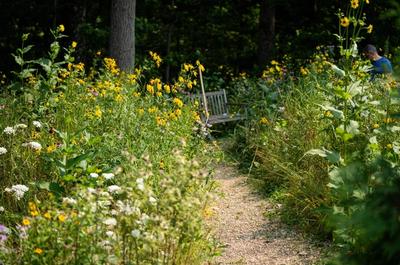
Native beds are meant to change, but without some editing, a few strong growers can quietly take over. This guide shows you when and how to thin, divide, and move plants so your garden keeps its structure, diversity, and wildlife value as it matures—without starting from scratch.
Why editing matters in a maturing native garden
As native plants fill in, some species naturally spread faster, get taller than expected, or fade in the middle of a clump. Without occasional editing, a few strong growers can dominate, shading out slower species and reducing overall diversity.
Thinning, dividing, and moving plants lets you correct the course: opening light to quieter species, refreshing older clumps, and maintaining the layered look that supports wildlife and inspires others to introduce natives in their own yards.
When to thin or divide plants
Good cues for thinning or division include:
- Plants crowding neighbors or flopping into paths.
- “Doughnut” clumps with bare centers.
- Reduced flowering, smaller blooms, or obvious competition for light and moisture.
Many native perennials benefit from division every few years in garden settings, often in early spring or fall when weather is cooler and plants are not in full bloom, though timing varies by species and climate. Adjust for local conditions and consult our Spring Cleanup and Fall Planting guides for more on what to do in those seasons.
How to thin without losing the natural look
Thinning in native beds means selective editing inside clumps, not returning to evenly spaced, isolated specimens. You can open pockets of light within big clumps, especially around smaller or slower species that risk being overwhelmed.
Focus first on edges, paths, and key views, where a bit more breathing room improves both access and aesthetics. Deeper in beds, lighter touch thinning keeps the planting feeling natural and meadow‑like while still protecting diversity.
Dividing and moving perennials
Dividing overgrown perennials rejuvenates them and gives you extra plants. A simple approach:
- Dig up the parent clump.
- Split it into several healthy sections with roots and shoots.
- Replant divisions at appropriate spacing (e.g. 10” on center) in prepared soil.
- Trim back some foliage and water divisions well for the first few weeks.
- Whenever possible, divide on cooler, overcast days or in seasons with more natural moisture to reduce stress.
Managing aggressive natives without removing them entirely
Some native species are naturally assertive and can be valuable partners against invasive plants if managed with intention. Instead of eliminating them, you can use periodic thinning, division, or strategic relocation to keep them in check and direct their vigor where you want coverage.
This might look like allowing an aggressive groundcover in a difficult strip while reducing it around more delicate species, or cutting seed heads on strongly self‑sowing plants to limit new seedlings. Treating these species as tools, not problems, helps maintain a dynamic but balanced planting.
Using editing to respond to what you learn
Over time, your plants’ real‑world performance - who thrives and who struggles - will reveal mismatches between plants and site conditions. You can then use editing to:
- Move sun‑lovers out of new shade and moisture‑lovers into wetter pockets.
- Consolidate certain species into clearer drifts or patches.
- Flag plants to move, cut, or divide on quick “editing walks” instead of doing big overhauls.
Regular, light editing walks, with snipping, flagging plants to move, and making notes, help keep changes incremental and manageable instead of needing major overhauls every few years. If something truly seems off, check out our Problem Solving and Plant Issues hub; our First-Year Roadmap and Common Beginner Mistakes guides will also help set you up for success and minimize any otherwise unnecessary edits later.
How My Home Park supports editing over time
A good initial design makes later editing lighter and more confident. My Home Park’s native garden kits take this into account, and show expected heights, habits, and densities, giving you a clearer sense of which plants are meant to dominate where, and which should be kept in supporting roles. If you're feeling confident in your planting already and just need some extra native species to stitch in, there are also many individual species available for most parts of the country.
As your garden grows, that original map becomes a reference for edits, helping you decide when to thin, where to move divisions, and how to keep the design’s structure and habitat value intact while letting the planting evolve.
Share this article