Fall Planting and End‑of‑Season Prep for Native Gardens

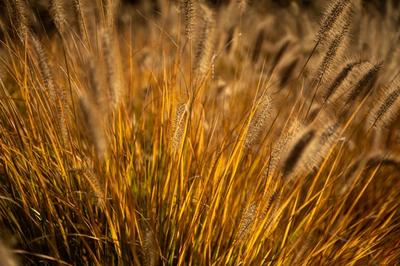
Fall is one of the easiest, most forgiving times to work in a native garden. Cooler air, warm soil, and steadier moisture help new plants root deeply while you lightly edit beds and prepare for winter without stripping away the stems, leaves, and seedheads wildlife depends on.
Why fall is a great time to plant natives
Fall favors natives because:
- Soils stay warm while air cools, so plants focus on root growth instead of foliage and flowers.
- Heat stress is lower and rainfall is often more reliable.
- Plants settled in fall usually face the next summer better prepared, with less watering needed.
In fall, soils often stay warm while air temperatures cool, letting plants focus on building strong root systems instead of pushing leaves and flowers. With less heat stress and, in many regions, more reliable rainfall, native perennials, shrubs, and trees can settle in before winter and face the next summer better prepared.
Planting in fall often means less watering and easier establishment than spring, especially for species adapted to local seasonal moisture patterns. As long as the ground is workable and not waterlogged or frozen, fall can be an excellent window to expand or refresh native beds.
What to plant and where in fall
In fall, it’s ideal to:
- Add or move long‑lived natives (perennials, grasses, shrubs, trees) into their long‑term spots.
- Fill gaps, replace strugglers, and tweak compositions based on what you observed this season.
- Match plants to site conditions you now know better (wet/dry, sun/shade, real‑world heights).
Fall is ideal for adding or moving many long‑lived natives like perennials, grasses, shrubs, and trees into their long‑term spots. You can use this time to fill gaps, replace struggling plants, and adjust compositions based on what you observed over the growing season.
Focus on matching plants to site conditions you now know better: which areas stayed wet or dry, sunny or shaded, and how tall different species actually grew. Planting with this lived‑in knowledge sets your garden up for a stronger show next year with fewer surprises. Still assessing your site? We can help with that over at the Native Plants 101 hub.
Editing beds without erasing habitat
For end‑of‑season editing:
- Thin or move plants that got too aggressive and cut back flopping stems in key views.
- Pull truly problematic weeds.
- Leave most stalks, seedheads, and leaf litter standing so they keep feeding and sheltering wildlife.
End‑of‑season editing is about right‑sizing plants and compositions, not stripping beds bare. You can thin or move species that got too aggressive, cut back flopping stems in key views, and pull truly problematic weeds while leaving most structure standing.
Seedheads, stalks, and leaf litter all provide food and shelter for birds, insects, and other wildlife through the colder months. Leaving them in place, especially away from main paths and entries, turns “cleanup” into habitat creation.
Handling leaves, stems, and seedheads
With leaves and stems:
- Move leaves off paths and onto beds or under shrubs instead of bagging them.
- Even leaving some leaf litter in beds helps retain moisture, feed soil life, and provide habitat.
- Leave most stems and seedheads standing through winter; trim only what blocks access or sightlines.
- Standing stalks add winter interest, bird food, and nesting cavities for stem‑nesting bees.
Instead of bagging leaves, consider moving them off paths and onto beds or under shrubs where they can act as mulch and habitat. Over time, leaf layers help retain moisture, feed soil life, and reduce the need for imported mulch. If you prefer a tidier look or are dealing with an overwhelming amount of leaf-fall, leaving even just some of the total litter in beds instead of clearing everything can also help.
For stems, many wildlife advocates - ourselves included - recommend leaving most of them standing through winter and into spring, possibly trimming only what truly blocks access or sightlines. Standing stalks and seedheads offer winter interest, bird food, and future nesting cavities for stem‑nesting bees. Check out our Spring Cleanup guide for more tips.
Preparing for winter weather (plants and structures)
As winter approaches:
- Check stakes, supports, cages, and guards on young woody plants and secure them before snow/ice/wind.
- In heavy‑snow areas, loosely tie in very floppy stems to reduce breakage while keeping structure.
- Watch newly planted perennials for frost heaving and tuck them back in, adding a light soil or mulch layer if needed.
As fall progresses, check stakes, supports, and any protective cages around young trees and shrubs to make sure they are secure before snow, ice, or strong winds arrive. In regions with heavy snow or ice, gently tying in floppy stems of taller plants can reduce breakage while still leaving most structure in place.
Where freeze‑thaw cycles are common, monitor newly planted perennials for heaving - roots lifting out of the soil - and tuck them back in, adding a light soil or mulch layer if needed. These small steps help new plantings face winter in better shape without heavy intervention.
Using fall to plan next year’s changes
Use fall as a review period:
- Note height imbalances, bloom gaps, and spots that felt too sparse or too vigorous.
- Sketch or photograph beds, and mark plants to move or divide later.
- Label new plants now (even simple sticks/tags) to make spring ID and weeding easier.
Fall is a good time to walk the garden, note what worked and what felt off, like any awkward height imbalances, empty periods in bloom, or areas with too much or too little vigor. You can sketch or photograph beds, mark plants to move later, and list species that need companions or replacements. Fall is also a great time to label some or all of any new plants in your garden bed to give yourself an easier time of tracing reemergence in the new year. Even something as simple as popsicle sticks with plant names can be enough to remind you about what was where next spring - and identify and remove any interloping weeds which might break from dormancy earlier than your natives, that much sooner.
Thinking this way turns fall into a reflective season rather than just “putting the garden to bed,” helping you refine your plant palette and layout over time.
Make the most of fall planting
Here at My Home Park, we can help you use fall well by:
- Providing regionally chosen native gardens and species that can root into warm, moist soils before winter.
- Offering custom design guidance on where fall‑planted species will best improve structure and habitat year‑round.
Because fall is such a powerful planting window, it is an ideal moment to install new My Home Park native gardens or expand existing ones with some fantastic individual species. Regionally chosen natives can go into warm, moist soils and start establishing their roots before winter, reducing the watering and care you will need next growing season.
With our custom design service, we can also help guide exactly where to add fall‑planted species for better year‑round structure and habitat, making end‑of‑season edits more confident and less guess‑driven.
Share this article