How to Assess Sun and Shade in Your Yard

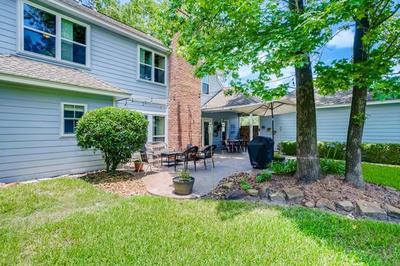
Many planting problems trace back to a simple mismatch between what a plant wants and what a spot actually gets in terms of light. In fact it’s one of the most Common Beginner Mistakes in native gardening. Instead of guessing, you can create a quick “sun map” of your yard that tells you exactly where full sun, part sun, and shade areas are, so you can match native plants to the conditions for which they evolved. Read on to learn about the different kinds of sun exposure and how to map sun and shade in your own yard. Use this guide to first understand light levels (what Full Sun, Part Sun, and Shade really mean), then follow the step‑by‑step mapping process, and finally use your map to choose native plants for each area.
Why Sun and Shade Matter for Native Plants
Light is one of the main drivers of plant health, bloom, and overall performance, and native plants are no exception. Species adapted to open prairies or meadows expect six or more hours of direct sun, while woodland edge plants may burn or flop if they are pushed into those same conditions. When you understand how much light different parts of your yard receive, you can group plants where they will thrive, which means stronger growth, better flowering, and fewer “problem spots” you have to constantly fix.
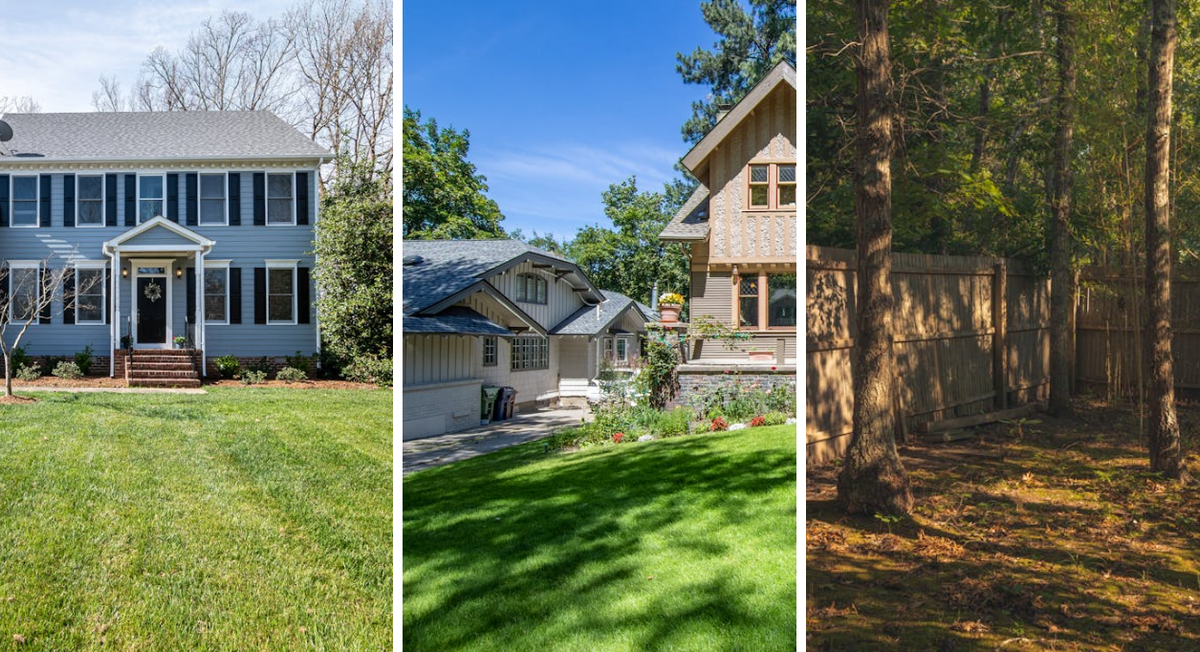
At a glance:
- Full sun: 6 or more hours of direct sun per day in the growing season.
- Part sun / part shade: About 3–6 hours of direct sun per day.
- Shade: Less than 3 hours of direct sun, with bright or dappled light otherwise.
Plant tags often say things like “full sun” or “part shade,” but the numbers behind those labels are what really matter. Full sun usually means about 6 or more hours of direct sunlight per day during the growing season, part sun/part shade is roughly 3–6 hours (often with morning sun and afternoon shade or vice versa), and full shade is under about 3 hours of direct sun, with bright or dappled light the rest of the day. These ranges help you match native plants that evolved in open meadows, woodland edges, or forest understories to the conditions that are actually in your yard, rather than guessing based on a vague impression.

To create a simple sun map:
- Pick a clear day in the growing season.
- Every 2–3 hours, note which areas are in direct sun or shade.
- Sketch your yard and mark zones with 6+ hours, 3–6 hours, or under 3 hours of sun.
- If you have deciduous trees, repeat this after the leaves are fully out.
- Optionally, use a sun‑path app to visualize the sun’s trajectory.
You do not need any special tools to map your yard’s light - just a simple, one‑day observation. Pick a clear day and, every couple of hours, quickly note which parts of your future garden area are in direct sun and which are in shade; doing this from morning through late afternoon gives you a good picture of how light moves across the space. If you like, you can sketch a rough yard outline and shade in areas that get 6+ hours (full sun), 3–6 hours (part sun/part shade), or less than 3 hours (shade), so you have a simple “sun map” you can refer to when choosing plants and planning beds. If your yard or planting area is bordered by deciduous trees, try to do this after the leaves have grown in so your map reflects real growing‑season light. Alternatively, you can use a mobile “sun path” app (such as a sun position and path tool) to visualize the sun’s trajectory over your yard and speed up this process.
- Calling a spot “full sun” based only on midday brightness, even if trees or buildings reduce usable hours.
- Judging light in winter or early spring without accounting for leafed‑out tree canopies.
- Treating all shade as the same, instead of distinguishing dense, dry shade from bright, dappled shade.
A lot of planting headaches come from small errors in how light is judged. One common mistake is assuming a spot is “full sun” just because it feels bright at midday, even though nearby trees or buildings cut that light down to only a few usable hours; sun-loving natives may then stretch, flop, or fail to bloom well. Another is relying on winter or early-spring impressions without accounting for how much shade tree canopies will cast once the leaves are in, which can turn a seemingly sunny bed into part shade for most of the growing season.
It is also easy to treat all shade as the same, when dense, dry shade under evergreens is a very different environment from dappled shade beneath high, open branches. By taking the time to map light in the main growing months and distinguishing between full sun, part sun, and different types of shade, you avoid the classic “sun plant in shade / shade plant in sun” errors that frustrate so many new native gardeners.
Using Your Sun Exposure to Choose Native Plants
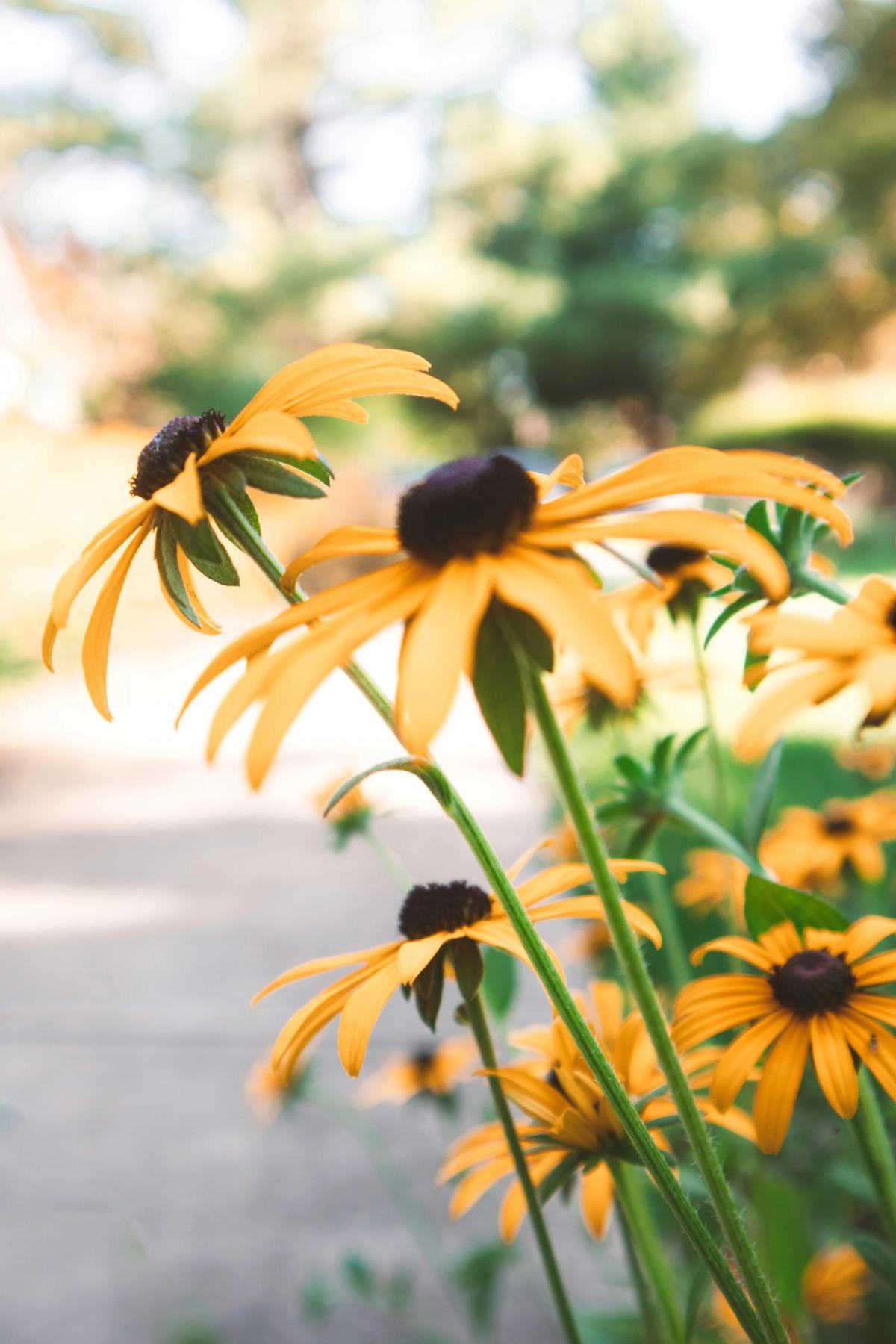
Once you are confident about the sun exposure conditions of a given part of your yard, you can start matching plants to the conditions they evolved for instead of guessing. In general:
- Full sun: Prairie‑style natives, many meadow flowers and grasses.
- Part sun / part shade: Woodland edge plants, many pollinator perennials and shrubs.
- Shade: Ferns, sedges, woodland flowers, and shade‑tolerant groundcovers.
Full-sun areas are ideal for many prairie-style natives and meadow mixes, part-sun spots can host a rich mix of edge and woodland species, and shadier zones can be planted with ferns, sedges, woodland flowers, and groundcovers that are adapted to lower light. This also ties directly into the rest of our Learning Center: you can pair it with what you discover in Understanding Your Soil Type, Getting Started with Native Gardening, and Garden Design & Planning to find the right guides for your yard’s region and exposure.
Should you create a sun map, you can even annotate this over time with notes about what thrives and what struggles, refining plant choices without starting from scratch each season. When you are browsing My Home Park’s regional collections and native plants, you can simply filter by the light conditions you have (full sun, part sun, or shade) and feel confident that you are putting the right plant in the right place.
Share this article