Understanding Your Soil Type for Native Gardening

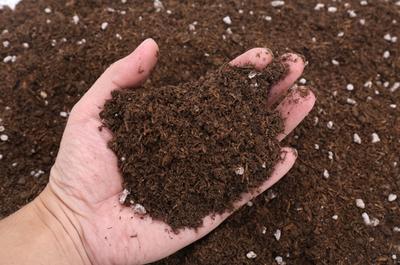
Just like sunlight, soil is one of the biggest factors that determines whether native plants will thrive or struggle. Texture, drainage, and moisture all affect how roots grow, how long water lingers, and which species will feel “at home” in your yard. In this guide, you’ll learn the basics of sandy, loamy, and clay soils, how to run simple at‑home tests, and how to match native plants to the soil you already have instead of fighting constant yellowing leaves, stunted growth, or rot.
Why Soil Type Matters for Native Plants
For native plants, key soil factors include:
- Texture (sand, loam, clay).
- Drainage speed (fast, moderate, slow).
- Moisture level (dry, medium, moist).
Just like sunlight, soil is one of the main factors that determines whether native plants will thrive or struggle. Texture (sand, loam, clay), drainage (e.g. fast or slow), and moisture (e.g. dry, balanced or medium, moist) all influence how roots grow, how long water sticks around, and which species will feel “at home” in your garden. When you understand your soil, you can pick natives that are already adapted to those conditions, instead of fighting constant yellowing leaves, stunted growth, or rot. Want to start by figuring out your sun exposure instead? Check out How to Assess Sun and Shade in Your Yard.
The Big Three: Sand, Loam, and Clay
In simple terms:
Sandy soil: Large particles, drains quickly, low in nutrients, often dry.
Loam: Balanced mix of sand, silt, and clay, drains well but holds moisture, good for many plants.
Clay soil: Very small particles, holds water, can be sticky when wet and hard when dry.
Most garden soils fall somewhere along a spectrum from sandy to loamy to clay. Sandy soils have large particles and big air spaces, so water drains quickly and nutrients wash through fast; many drought‑tolerant natives love this kind of “lean” soil. Loam is a balanced mix of sand, silt, and clay that drains well but still holds some moisture, and a wide range of native plants will do well in it. Clay soils are made of tiny, tightly packed particles that hold water for a long time and can become sticky when wet and hard when dry, but many moisture‑loving natives, especially those adapted to wet meadows or low spots, thrive in these conditions. Yards with especially heavy clay soil can be difficult to approach, so be sure to check out our Troubleshooting Shade, Clay, and Other “Difficult” Yard Conditions guide if necessary.
To get to know your soil at home:
- Do a squeeze test to feel texture (sand, loam, clay).
- Do a drainage test to see how fast water moves through the soil.
- Observe how long areas stay dry or soggy after rain.
You don’t need a lab to get a useful read on your soil. A basic “squeeze test” involves moistening a handful of soil and squeezing it into a ball: sandy soils fall apart easily, loamy soils hold together but can be crumbled, and clay‑heavy soils form a sticky ball or ribbon that holds its shape. You can pair this with a simple drainage test: dig a small hole, fill it with water, and time how long it takes to drains to understand whether your site is quick‑draining, moderate (minutes to a few hours), or slow (several hours to days), which is especially important for matching natives that dislike “wet feet.” Watch below to learn more:
These quick tests, combined with observing whether your site tends to dry out fast or stay soggy after rain, give you enough information to use the plant descriptions, symbols, and soil callouts in our native garden kits and across our various native plants and seed mixes.
Matching Native Plants to Your Soil (and When to Amend)
As a rule of thumb:
- Sandy or gravelly soil: Good for meadow and prairie species that like sharp drainage.
- Loamy soil: Suitable for a wide range of native perennials, grasses, and shrubs.
- Clay or wetter soil: Good for natives adapted to rain gardens, wet meadows, or low spots.
Once you know your soil, the simplest path is usually to choose native plants that like what you already have. Sandy or gravelly sites are great candidates for meadow and prairie species that prefer sharp drainage, while heavier, wetter soils can host natives adapted to wetlands, rain gardens, or clay‑rich low spots. In many cases, especially for natives, it is more effective to pick plants for the existing soil than to attempt a complete “soil makeover.” Often, native plants themselves can improve the health of your soils naturally (see Soil Health in Native Gardens) and soils can otherwise be managed with very minimal input (see Low-Input Soil Care).
That said, there are situations where light, targeted improvement helps like loosening very compacted soil with organic compost or creating a slightly richer planting band for a key bed. Regardless, in most home gardens, it is almost always better to choose natives that fit your existing soil than to heavily amend the soil to fit the plants.
For deeper guidance on what to plant where, and how soil fits into the bigger picture of design and maintenance, check out the rest of Native Plants 101, and dive into our Garden Design & Planning or Plant Care, Maintenance & Seasonal Maintenance pages.
Share this article