Common Pawpaw
Common Pawpaw is a small native tree with lush tropical-looking foliage, unusual spring flowers, and prized edible fruit. Before the large drooping leaves fully emerge, cup-shaped purple flowers appear along the branches, attracting early pollinators such as flies and beetles. By late summer to early fall, mature trees can produce large green fruits with soft, custard-like flesh often compared to banana, mango, or vanilla.
Naturally found in moist woodlands and shaded bottomlands, Pawpaw thrives in rich, well-drained soil with partial shade, though established trees can handle more sun with adequate moisture. Its fruit supports wildlife and edible landscapes, while the foliage is the host plant for zebra swallowtail butterflies. Typically growing 15–25 feet tall, it works beautifully in woodland gardens, naturalized groves, understory plantings, and larger wildlife-friendly landscapes.
Why choose Common Pawpaw?
- Produces delicious, edible native fruit in late summer to early fall
- Large leaves create bold, tropical-looking texture
- Host plant for zebra swallowtail butterflies
- Unusual purple spring flowers add early-season interest
-
Excellent for woodland gardens, edible landscapes, and naturalized plantings
Maintenance Tips
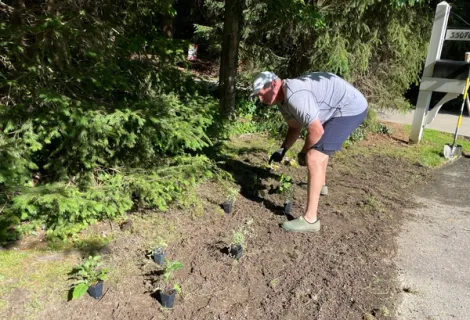
Plant at least two genetically different Pawpaw trees for better fruit production, and water regularly during establishment, especially in sunny sites. Young trees appreciate protection from intense afternoon sun, and suckers can be allowed to form a natural grove or removed to maintain a single-stemmed shape.
- Prefers moist, well-drained soil; water regularly, especially during dry periods.
- Minimal pruning needed; prune for shape and health in the late winter or early spring.
- Thrives in rich, fertile, slightly acidic soils.
- Apply mulch to maintain soil moisture and temperature.
- Pawpaw trees are relatively pest-free but watch for potential fungal diseases in humid conditions.
- Will produce many delicious fruits late in the season once mature - keep your eyes out!
What Folks Are Saying

Popular Native Plants


