Native PerennialBroad Silphium Food Web

Compass Plant

Silphium laciniatum
$29.99
$34.99
You Save 15%
calendar
Reserve Now
Ships the week of May 3.
Select Quantity
3-Pack
3 Plants
$10.00/plant
6-Pack
6 Plants
$9.17/plant
32-Plant Tray
32 Plants
$4.66/plant
Verify Availability
Enter your ZIP code to verify if these plants are available in your area.
Quantity
flower
Sourced ecologically
door
Delivered to Your Door
install
Easy Planting
My Home Park's Take
“Exceptional ecological value with excellent garden appeal, best where its specific site needs are met.”
In your regionCheck your ZIP
beeFun factBroad Silphium food web
Details
Soil Types
clay
Clay
loam
Loam
sand
Sand
Soil Moisture
dry
Dry
medium
Medium
Sun Exposure
fullSun
Full Sun
Hardiness Zone
USDA 3–9
Plant Type
Flower
Mature Height
60”-120”
Mature Width
24”
Bloom Color
Yellow
Bloom Time
July - September
Root Type
Taproot
About this Plant

Compass Plant (Silphium laciniatum) is a prairie giant known for its sunflower-like blooms, deeply lobed foliage, and incredible ability to orient its leaves north-south—a trait that minimizes sun exposure and gives this plant its memorable name.

Reaching heights of up to 9 feet, Compass Plant sends up tall stalks topped with bright yellow flowers from mid to late summer, attracting bees, butterflies, and seed-eating birds. Its coarse, deeply cut leaves provide architectural interest at ground level and are truly one of a kind.

With a taproot that can extend 10–15 feet into the earth, Compass Plant is incredibly drought-tolerant and helps stabilize soil over time. While not suited for small spaces, it excels in open, sunny landscapes with well-drained soils where it can grow undisturbed for decades.

Why Choose Compass Plant?

  • Iconic prairie presence – Towering blooms and dramatic foliage.
  • Pollinator & bird favorite – Supports wildlife through summer and fall.
  • Extremely drought-tolerant – Deep roots anchor and enrich the soil.

Plant Compass Plant in full sun and spacious, well-drained areas, and enjoy a long-lived, statuesque native that brings bold beauty and lasting ecological benefits.

Maintenance Tips
plus
  • Deadhead to maintain appearance and prevent excessive self-seeding.
  • Division is rarely needed due to its deep taproot.
  • Best propagated by collecting resowing seed, but pay attention to seedlings which may need to be policed to control spread in smaller yards or gardens.
  • Stake flower stalks if necessary in windy areas to prevent leaning.
Details
Soil Types
clay
Clay
loam
Loam
sand
Sand
Soil Moisture
dry
Dry
medium
Medium
Sun Exposure
fullSun
Full Sun
Hardiness Zone
USDA 3–9
Plant Type
Flower
Mature Height
60”-120”
Mature Width
24”
Bloom Color
Yellow
Bloom Time
July - September
Root Type
Taproot
Compass Plant
$29.99$34.99
Ecological Benefits
Pet Safe
Non-toxic to cats and dogs.
Deer Resistant
Less likely to be browsed by deer.
Attracts Butterflies
A nectar source that draws butterflies throughout the season.
Attracts Pollinators
Provides nectar and pollen for bees and other pollinators.
Birds
Seeds or berries provide food for birds.
Drought Tolerant
Thrives with minimal watering once established.

What Folks Are Saying

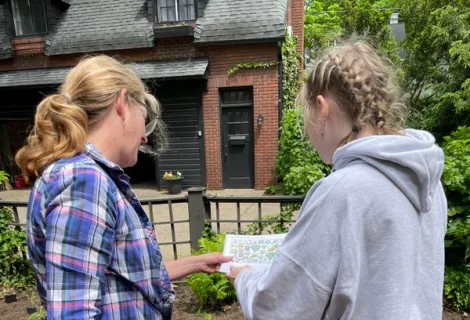
“It's like following a recipe. Choosing from multiple designs is fun.” - Kari
A woman and her daughter looking at a newly planted garden
“The process from the website to getting the plants, could not have been easier or more seamless.” - Justin
a man standing in front of his home
“I can't believe that we are the house with this beautiful garden.” - Howard
a newly planted garden and a man holding a sign
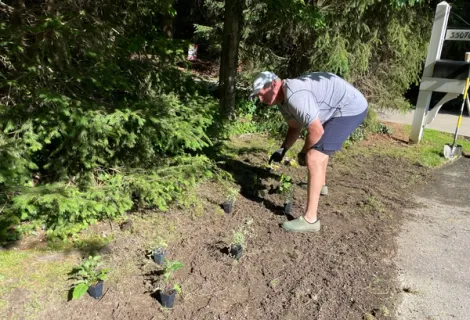
“I've never planted anything in my life. And this was actually quite fun.” - Steve
a man laying out small potted plants in a prepared bed