Plant in full sun to light shade with well-drained soil, and deadhead if you want to extend bloom or limit self-seeding. Allow some seed heads to mature if you want plants to naturalize into a loose colony.
Native PerennialSummer Daisy Color
Showy Fleabane
Erigeron speciosus
$29.99
$34.99
You Save 15%
Reserve Now
Ships the week of April 26.
Select Quantity
3-Pack
3 Plants
$10.00/plant
6-Pack
6 Plants
$9.17/plant
Verify Availability
Show Native Range
Enter your ZIP code to verify if these plants are available in your area.
Quantity
Sourced ecologically
Delivered to Your Door
Easy Planting
My Home Park's Take
“Showy Fleabane packs a surprising number of lavender daisies into an easygoing clump, keeping both the border and its pollinators busy through summer.”
In your regionCheck your ZIP
Details
Soil Types
Loam
Sand
Gravel
Soil Moisture
Dry
Medium
Sun Exposure
Partial Sun
Full Sun
Hardiness Zone
USDA 2–8
Plant Type
Flower
Mature Height
12”-30”
Mature Width
18”
Bloom Color
Lavender
Bloom Time
June - September
Root Type
Rhizomatous
About this Plant
Showy Fleabane, also called Aspen Fleabane, lives up to its name with masses of lavender-blue to purple daisy-like flowers surrounding bright yellow centers. Blooming stems rise from a compact leafy base to form loose, colorful mounds typically 1–2 feet tall. Its long flowering season makes it a dependable choice for meadow gardens, cottage-style borders, slopes, and naturalistic plantings.
Native across much of the western U.S., Showy Fleabane is well suited to Rocky Mountain and Pacific Northwest gardens, where it naturally occurs in mountain meadows, open forests, grasslands, and rocky slopes. Its flowers provide nectar and pollen for native bees, bumblebees, and butterflies, while the foliage supports several native moths and the northern checkerspot butterfly. Established plants tolerate dry to medium soils well and can gradually form attractive colonies through short rhizomes and self-seeding.
Why Choose Showy Fleabane?
- Lavender-blue flowers provide a long season of color
- Excellent nectar and pollen source for native bees and butterflies
- Host plant for the northern checkerspot butterfly and native moths
- Drought-tolerant once established
- Great for mountain meadows, slopes, open woodland edges, and native borders
Maintenance Tips
- Plant in full sun to light partial shade with well-drained soil and water regularly while plants establish.
- Deadheading can encourage additional flowering.
- Established clumps can be divided or unwanted seedlings removed if colonies expand beyond their intended area.
Details
Soil Types
Loam
Sand
Gravel
Soil Moisture
Dry
Medium
Sun Exposure
Partial Sun
Full Sun
Hardiness Zone
USDA 2–8
Plant Type
Flower
Mature Height
12”-30”
Mature Width
18”
Bloom Color
Lavender
Bloom Time
June - September
Root Type
Rhizomatous
Showy Fleabane
$29.99$34.99
Ecological Benefits
Soil Stabilizing
Deep roots help prevent erosion and stabilize soil.
Butterfly Host
Supports butterfly caterpillars as a host plant.
Birds
Seeds or berries provide food for birds.
Attracts Pollinators
Provides nectar and pollen for bees and other pollinators.
Attracts Butterflies
A nectar source that draws butterflies throughout the season.
Drought Tolerant
Thrives with minimal watering once established.
Yard Friendly
A well-behaved growth habit that won't take over your yard.
What Folks Are Saying
“It's like following a recipe. Choosing from multiple designs is fun.” - Kari
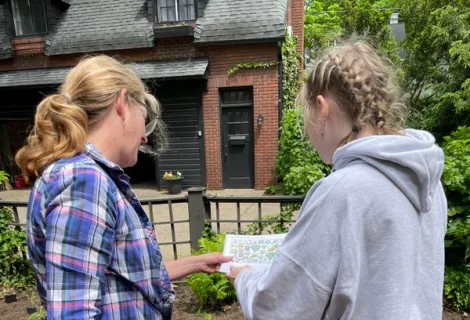
“The process from the website to getting the plants, could not have been easier or more seamless.” - Justin

“I can't believe that we are the house with this beautiful garden.” - Howard
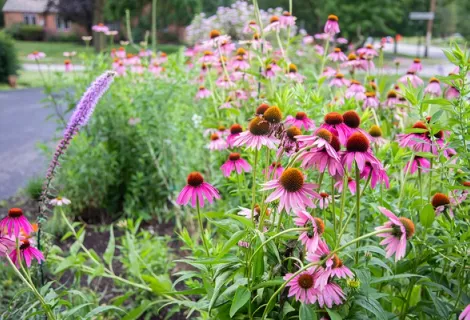
“I've never planted anything in my life. And this was actually quite fun.” - Steve
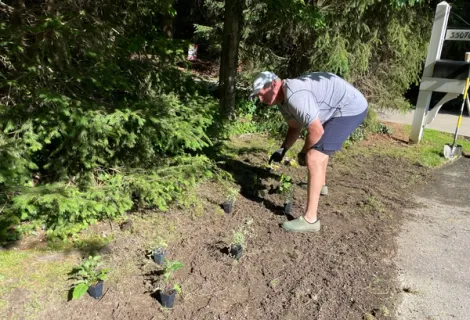
Popular Native Plants

Butterfly Milkweed
Asclepias tuberosa
$29.99
Save 15%

Narrowleaf Milkweed
Asclepias fascicularis
$26.99
Save 33%

Frogfruit
Phyla nodiflora
$27.99
Save 31%

Purple Coneflower
Echinacea purpurea
$29.99
Save 15%

Common Milkweed
Asclepias syriaca
$29.99
Save 15%

New England Aster
Symphyotrichum novae-angliae
$29.99
Save 15%

Swamp Milkweed
Asclepias incarnata
$29.99
Save 15%

Wild Bergamot
Monarda fistulosa
$29.99
Save 15%

Black-Eyed Susan
Rudbeckia hirta
$29.99
Save 15%

Eastern Columbine
Aquilegia canadensis
$29.99
Save 15%

Blue Mistflower
Conoclinium coelestinum
$27.99
Save 31%

Lavender Hyssop
Agastache foeniculum
$29.99
Save 15%

Coral Honeysuckle
Lonicera sempervirens
$27.99
Save 31%

Scarlet Sage
Salvia coccinea
$27.99
Save 31%

Aromatic Aster
Symphyotrichum oblongifolium
$29.99
Save 15%

Ohio Spiderwort
Tradescantia ohiensis
$29.99
Save 15%

White Sage
Salvia apiana
$26.99
Save 33%

Virginia Mountain Mint
Pycnanthemum virginianum
$29.99
Save 15%

Sweet Goldenrod
Solidago odora
$27.99
Save 31%

Hummingbird Sage
Salvia spathacea
$26.99
Save 33%

Golden Alexanders
Zizia aurea
$29.99
Save 15%

Pennsylvania Sedge
Carex pensylvanica
$29.99
Save 15%

Common Yarrow
Achillea millefolium
$26.99
Save 33%

Sweet Joe Pye Weed
Eutrochium purpureum
$29.99
Save 15%

California Buckwheat
Eriogonum fasciculatum
$26.99
Save 33%

Wild Petunia
Ruellia humilis
$29.99
Save 15%

Western Blue-Eyed Grass
Sisyrinchium bellum
$26.99
Save 33%

Northern Bush Honeysuckle
Diervilla lonicera
$49.99

Smooth Penstemon
Penstemon digitalis
$29.99
Save 15%

Bottlebrush Grass
Elymus hystrix
$29.99
Save 15%