Shade Flowers for Florida: Native Plants for Shady Gardens

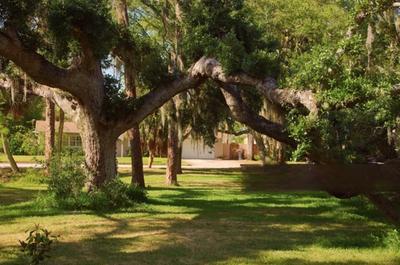
Shade is not one condition.
A bed that receives a few hours of morning sun is very different from the dark ground beneath a mature oak. A bright courtyard protected from afternoon heat is different from a low, shady corner that stays damp after every summer storm.
And in Florida, shade often comes with another challenge: tree roots competing for water.
That means choosing good shade flowers for Florida is less about finding plants labeled “shade tolerant” and more about understanding exactly what kind of shady space you have.
Fortunately, Florida native plants offer plenty of options. The right mix can bring flowers, berries, hummingbirds, butterflies, native bees, and layered foliage into places where turf grass and sun-loving perennials struggle.
Find Native Plants for Your Shady Florida Garden
Make sure Florida is selected as your location, then browse native plants available for your area and match them to your light and soil conditions.
First, Figure Out What “Shade” Actually Means
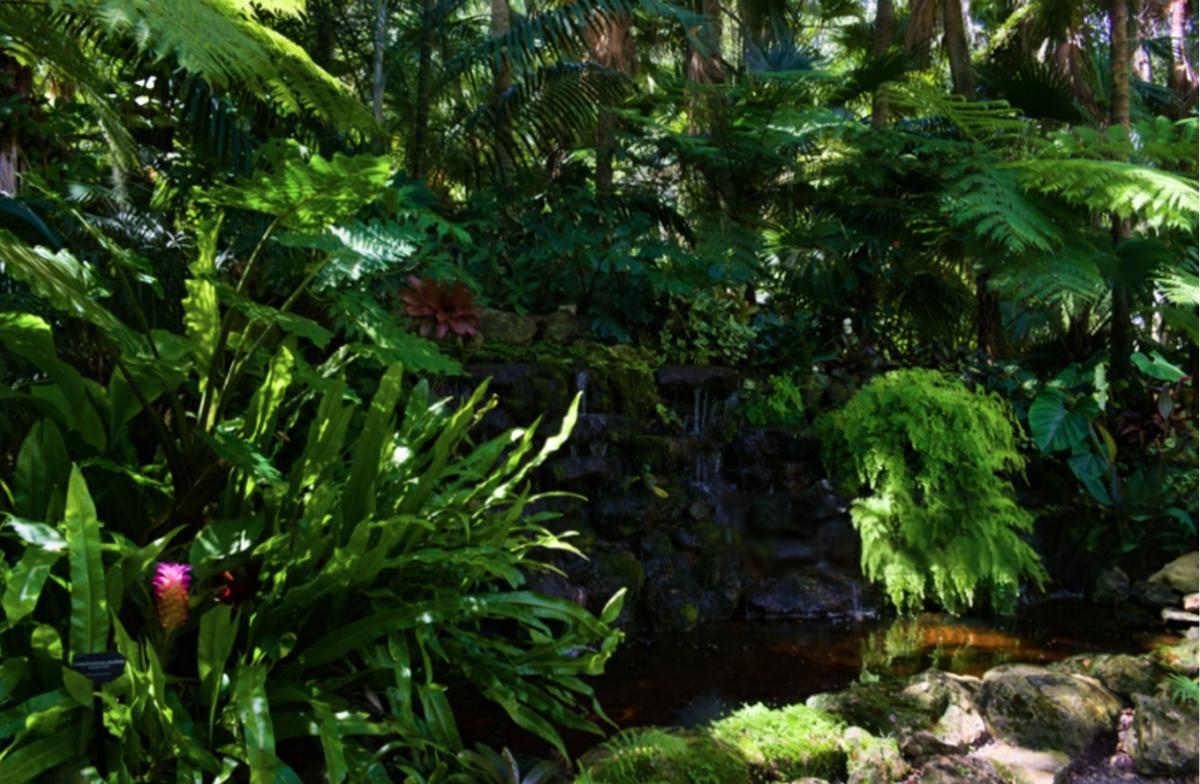
Garden labels like part shade, full shade, and deep shade are useful, but they can hide a lot of variation.
Part shade usually means the area still receives several hours of direct sunlight. Morning sun followed by afternoon shade is often especially forgiving in Florida because plants get useful light without the harshest part of the day.
Bright shade or filtered light occurs beneath a high tree canopy or beside a building where the area stays illuminated even without much direct sunlight.
Full shade receives little direct sun but may still be relatively bright.
Deep shade is different. Dense evergreen canopies, buildings, or closely spaced trees can reduce light so dramatically that even many shade-loving plants struggle to flower well.
Watch the space at several times of day before choosing plants. A shady area at 9 a.m. may receive several hours of direct sunlight later.
UF/IFAS also points out that shaded landscapes come with challenges beyond light, including tree-root competition and the difficulty of establishing new plants among existing roots.
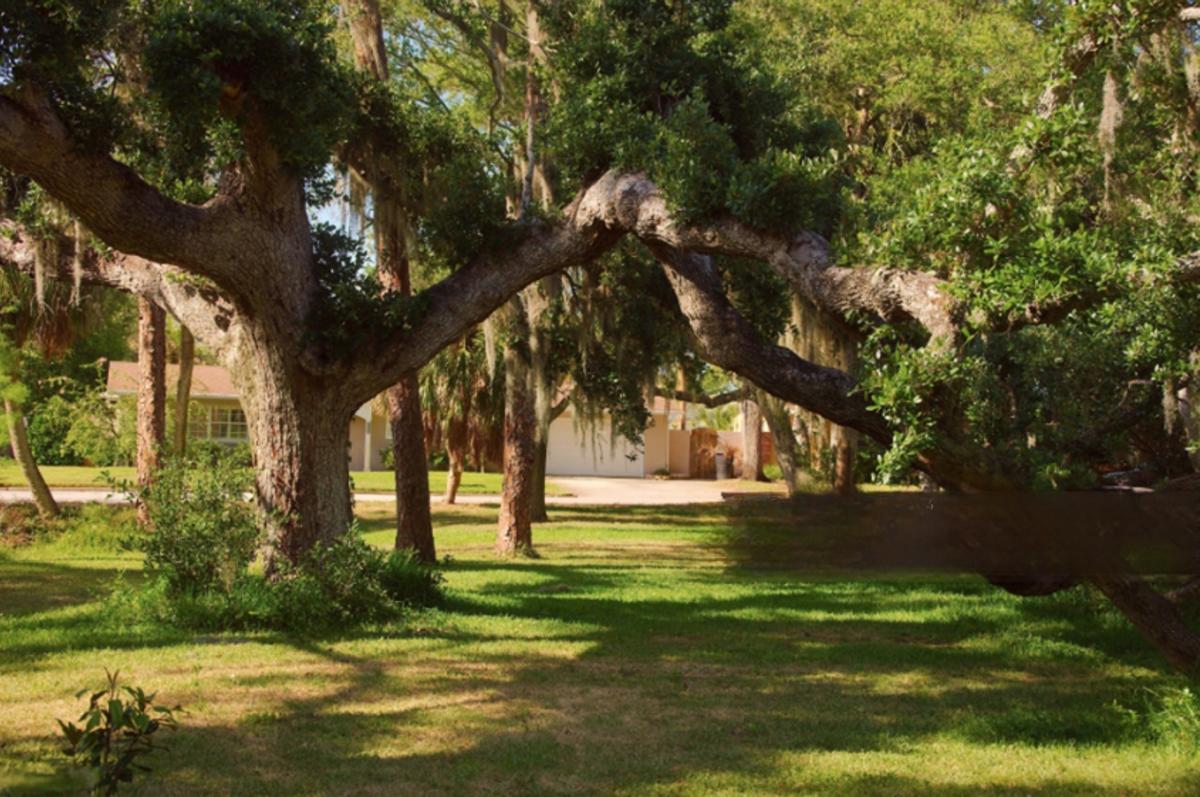
Shade Landscaping Is Really About Light and Water
The biggest surprise in a shady garden is that shade does not automatically mean moist soil.
Large oak trees and other mature trees can pull enormous amounts of water from the surrounding ground. Their roots also occupy much of the same soil where new garden plants need to establish.
The result can be dry shade: lower light combined with surprisingly dry soil.
Elsewhere, a shady depression may stay wet because evaporation is slower and rainwater collects there.
Those two conditions require completely different plant palettes.
Before planting, check the soil after rain and again during a dry spell. That tells you much more than the word “shade” alone.
Best Native Shade Flowers for Florida
There is no universal list of full shade plants that works throughout Florida.
The useful question is which plants match both your light conditions and soil moisture.
Some flowering natives prefer moist, filtered light. Others tolerate partial shade and periods of dry soil. A few are better described as part-sun plants that simply perform well with protection from Florida’s strongest afternoon sun.
Here are some especially useful starting points.
Carolina Wild Petunia for Easygoing Part Shade
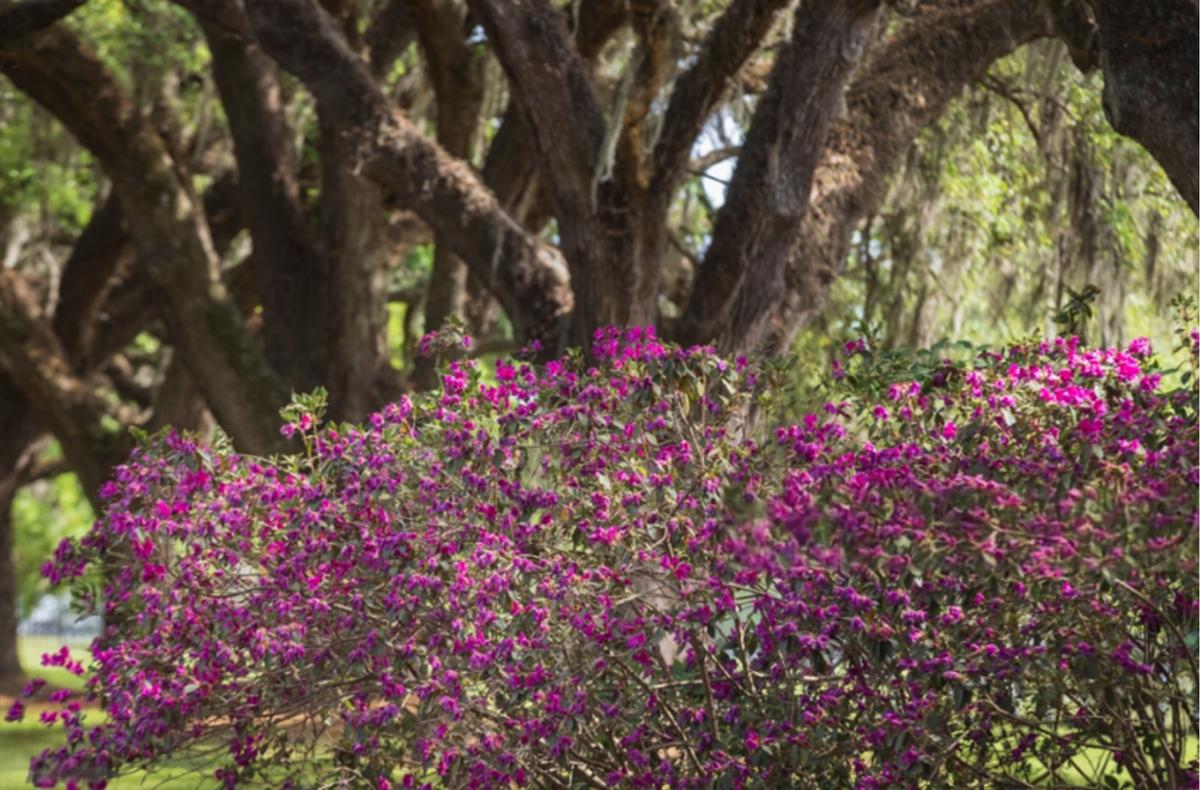
Carolina Wild Petunia (Ruellia caroliniensis) is a delicate perennial wildflower with lavender blooms that can bring color into woodland edges and partially shaded plantings.
It has a softer, more naturalistic appearance than many traditional bedding plants, which makes it especially useful beneath trees or around shrubs.
Carolina Wild Petunia works well when repeated in small groups rather than planted as a single specimen.
It can also help create the transition between taller shrubs and lower groundcovers in a layered shady landscape.
Cardinal Flower Brings Red Into Moist Shade
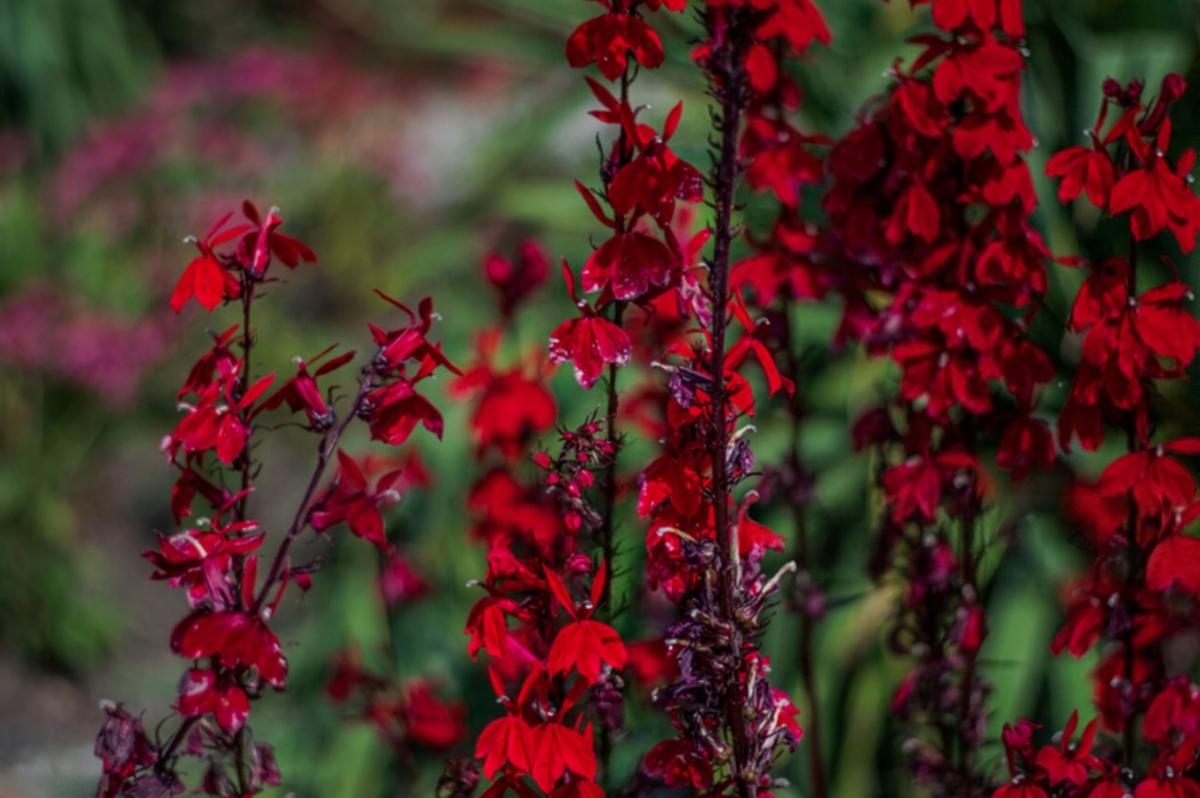
Shade gardens often lean heavily toward green, white, and lavender. Cardinal Flower (Lobelia cardinalis) changes that immediately.
Its intense red flowers can rise several feet above surrounding vegetation and are highly attractive to hummingbirds.
But Cardinal Flower is not a plant for dry shade.
It naturally fits moist conditions such as stream edges, wet woods, rain gardens, and consistently damp garden beds. FNPS lists it for sun through shade where moisture is sufficient, while UF/IFAS describes it as particularly appropriate for moist sites.
That makes it a great example of why soil moisture matters as much as light.
If you have a shady area near a rain garden, downspout, low spot, or consistently moist bed, Cardinal Flower can provide the dramatic bloom that many full shade plants lack.
Florida Native Plant Society — Cardinal Flower
Wild Coffee Gives South and Central Florida Shade Year-Round Structure
Flowers are only part of a successful shade garden.
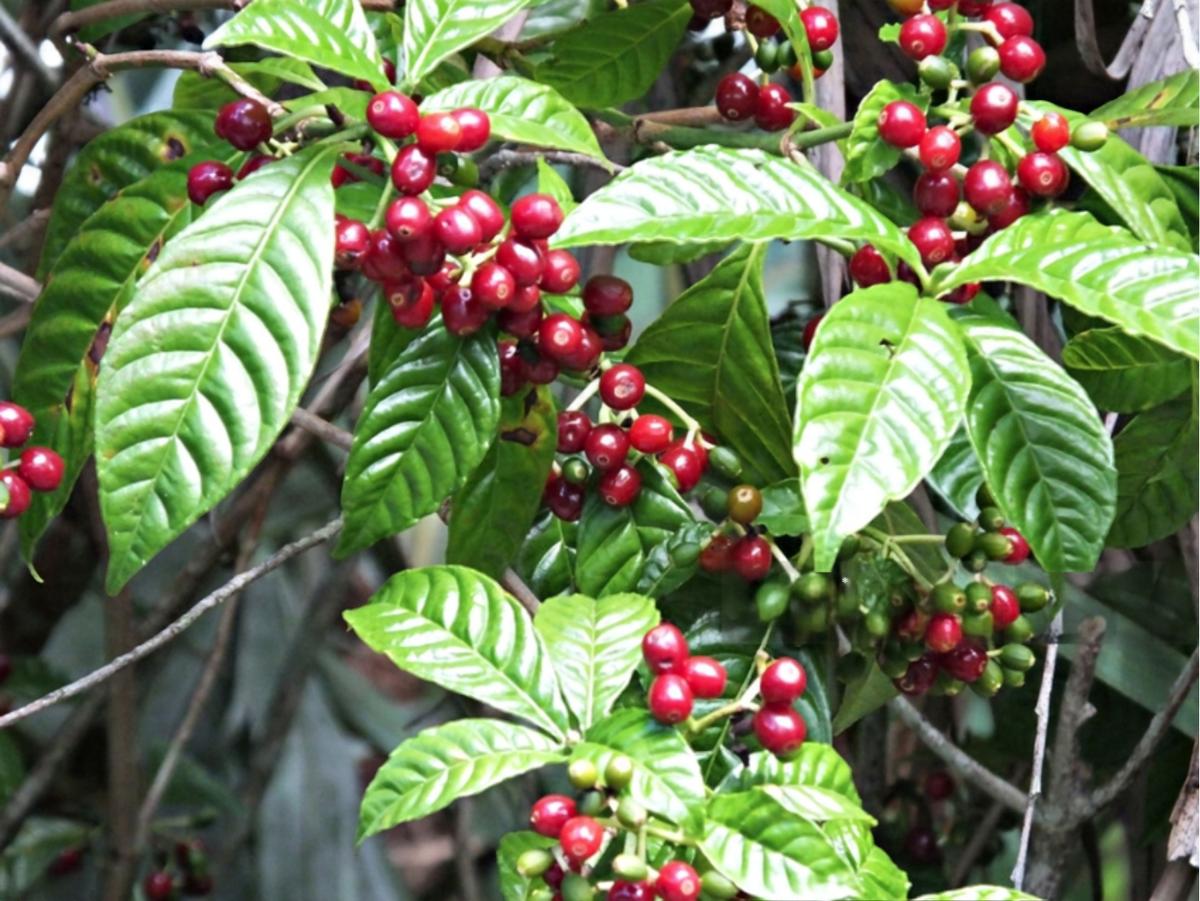
In appropriate parts of Central and South Florida, Wild Coffee (Psychotria nervosa) can provide the evergreen shrub layer that keeps a shady landscape looking intentional between bloom periods.
Its glossy dark green foliage works naturally beneath tree cover, and small white flowers are followed by bright red fruits.
FNPS recommends Wild Coffee for shaded areas and lists it for part sun to shade rather than constant full sun.
That makes it particularly valuable behind lower flowering plants.
A planting of Wild Coffee with colorful perennials in front feels like a landscape—not simply a collection of shade flowers.
Coral Honeysuckle Works Best in Brighter Shade
Coral Honeysuckle (Lonicera sempervirens) deserves a little nuance.
It is often included in discussions of shade plants, but it should not be treated as a deep-shade vine.
FNPS lists Coral Honeysuckle for direct sun to partial shade, where it can produce coral-pink tubular flowers from spring into later summer.
Give it a fence, trellis, or arbor near the edge of a shaded garden where it receives some direct or filtered sun.
Those flowers attract hummingbirds and add a vertical element without consuming much ground space.
That makes Coral Honeysuckle especially useful in landscape design: shade gardens need vertical layers just as much as sunny gardens do.
Native Violets Can Fill the Low Layer
A shade garden also needs plants close to the ground.
Native violets can fill that role in appropriate parts of Florida, particularly where soils hold some moisture.
Their flowers are modest compared with Cardinal Flower or Coral Honeysuckle, but their ecological value can be significant. Violets serve as larval host plants for fritillary butterflies.
Low-growing plants also reduce the visual gap between shrubs and bare mulch.
That matters because one of the easiest ways to make shade landscaping feel more natural and eventually lower maintenance is to let living plants occupy more of the ground plane.
Partridgeberry for Evergreen Groundcover
Where regionally appropriate, Partridgeberry (Mitchella repens) offers another low-growing option for shaded conditions.
It forms a dense evergreen mat rather than an upright flower clump, with small white flowers followed by red berries.
This is not the plant to choose if your only goal is maximum flower color.
It is valuable because it does a different job: creating a low evergreen layer in a woodland-style planting.
Use flowering plants for seasonal highlights and plants like Partridgeberry to keep the garden connected between them.
Aquatic Milkweed Can Bring Monarch Habitat Into Moist Shade
Milkweed does not always mean a dry, sunny prairie plant.
Aquatic Milkweed (Asclepias perennis) is a Florida native associated with wet conditions and can provide monarch host-plant value in the right moist landscape.
That makes it worth considering where partial shade overlaps with consistently wet soil.
The important lesson is the same one running throughout the garden: choose the milkweed for the habitat you actually have.
American Beautyberry Handles More Shade Than Many Gardeners Expect
American Beautyberry (Callicarpa americana) is another plant that helps bridge flowers and structure.
Its small pinkish flowers are useful to pollinators, but the plant’s real visual moment comes later, when clusters of brilliant purple fruit develop along the stems.
Beautyberry can grow from sun into substantial shade, although plant form and fruiting can vary with light.
It is especially useful along woodland edges or beneath relatively open tree canopies where a medium-sized native shrub fits the landscape.
Birds use the fruit, so Beautyberry also adds wildlife value after many flowering plants have finished blooming.
Tropical Sage Can Handle Some Shade
Tropical Sage (Salvia coccinea), also called Scarlet Sage, is another plant that should be considered a part-shade option, not a deep-shade specialist.
Where it receives enough light, its red, pink, or white flowers can provide a long season of color and attract hummingbirds, native bees, and other beneficial insects.
It works especially well near the brighter edge of a shady garden.
That boundary between sun and shade is often one of the most productive planting zones in the whole yard.
Why Generic Florida Shade-Plant Lists Can Be Misleading
Search for shade plants and you will quickly encounter Cast Iron Plant, elephant ears, caladiums, impatiens, wax begonias, liriope, and other familiar landscape plants.
Some are excellent performers in low light.
But they are not automatically Florida natives.
There is an important difference between “grows well in Florida shade” and “native to this part of Florida.”
If your goal is simply ornamental color, that distinction may not matter as much.
If your goal includes supporting native bees, butterflies, birds, caterpillars, and other wildlife, locally appropriate native plants give you another layer of ecological function.
That is why this guide focuses primarily on Florida natives rather than repeating a generic list of shade-tolerant landscaping plants.
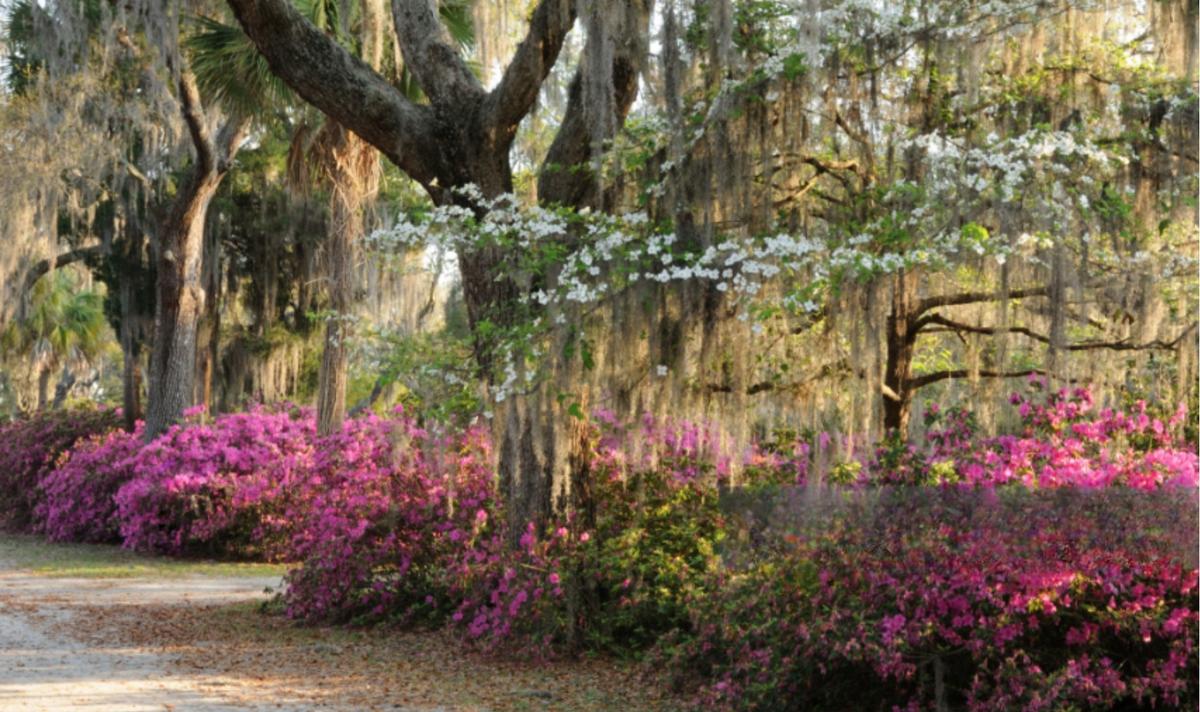
Dry Shade Under Oak Trees Needs Its Own Strategy
One of the hardest Florida shade conditions is beneath mature oak trees.
The canopy reduces direct sunlight while the tree roots compete aggressively for soil moisture.
Digging can also be difficult and damaging if major roots are disturbed.
Start small.
Young plugs and smaller container plants generally require less excavation than large shrubs. Establish them carefully and water them consistently while their roots move into the surrounding soil.
Avoid assuming regular watering will always be necessary forever.
Once established, appropriately chosen plants may be surprisingly drought tolerant beneath open tree cover, but establishment is still the difficult part.
And do not try to compensate for very low light with fertilizer. Light remains the limiting factor.
Central Florida Gardens Have Plenty of Shade Options
Central Florida gardens sit in an interesting transition zone.
Many northern native species still occur there, while increasingly subtropical plants become possible farther south.
Wild Coffee, Beautyberry, Carolina Wild Petunia, Coral Honeysuckle, Tropical Sage, and other regionally appropriate species can all play roles depending on the site.
The challenge is that Central Florida shade can range from dry sandy soil beneath live oaks to wet, low ground only a short distance away.
Do not choose from a “Central Florida shade plants” list without checking the moisture conditions too.
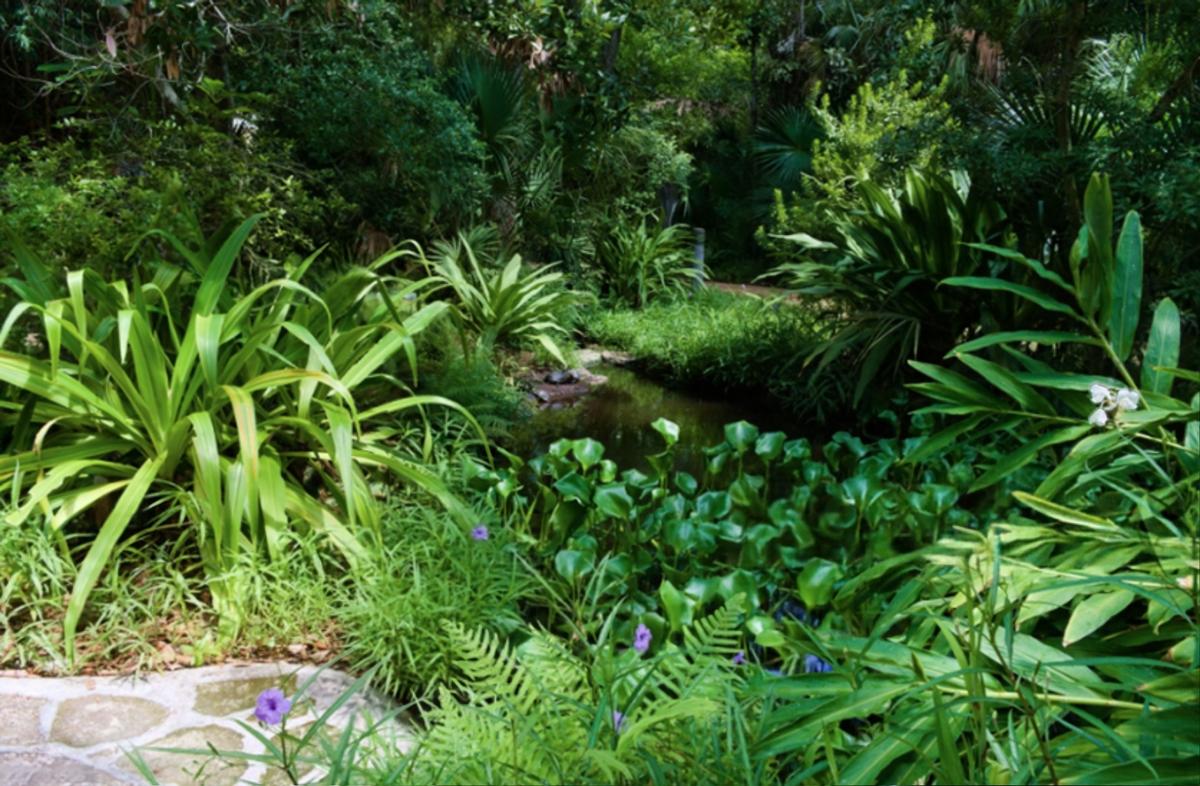
South Florida Shade Often Needs More Foliage
In South Florida, flowering is only one part of shade landscape design.
Evergreen shrubs, ferns, palms, and other foliage plants can provide year-round structure beneath tropical and subtropical tree canopies.
Wild Coffee is especially useful here because its glossy foliage carries the planting even when flowers are not the main event.
Firebush can also perform in partial shade in appropriate parts of the region, although flowering is generally strongest with more light.
Think about the garden as layers of foliage and structure first, then place flowering plants where sufficient light reaches the understory.
Use Flowers Strategically in Deep Shade
True deep shade is difficult.
Very little direct or filtered sunlight means fewer plants will bloom heavily.
Rather than fighting that reality, change the design goal.
Use lighter-colored flowers—white, pink, lavender, and bright red—where possible because they remain visible in low-light conditions. UF/IFAS specifically notes that light-colored blooms tend to show up better in shady landscapes.
Then rely on foliage contrast, berries, evergreen groundcover, and different plant forms for interest between flowers.
Not every square foot of a garden needs to be blooming.
Design Shade Gardens in Layers
A successful shady landscape should feel almost like the edge of a forest.
Start low with groundcovers and small flowering perennials.
Add taller flowers such as Cardinal Flower where moisture allows.
Use shrubs like Wild Coffee or Beautyberry to create the middle layer.
Add Coral Honeysuckle on a vertical support where enough light reaches the edge of the planting.
Above everything is the existing canopy.
That layered structure makes the space feel intentional while providing more habitat niches than a bed filled with one height of plant.
For broader Florida landscape-design ideas, check out
Florida Plants for Landscaping →
Build Around the Shade You Actually Have
Shade can be one of the most interesting parts of a Florida yard once you stop treating it as a gardening limitation.
The trick is specificity.
Figure out whether you have morning sun, filtered light, full shade, or deep shade.
Then figure out whether the soil stays moist or becomes surprisingly dry because of tree roots.
From there, choose plants for the combination.
Cardinal Flower can light up moist shade. Carolina Wild Petunia can soften woodland edges. Wild Coffee gives Central and South Florida gardens evergreen structure. Coral Honeysuckle can bring hummingbirds to brighter edges. Beautyberry adds fruit and shrub mass.
The best Florida shade garden is not the one with the longest plant list.
It is the one where the plants actually match the place.
Ready to start planting?
Build a native garden that fits your yard
Whether you want to pick every plant yourself or would rather have the planning handled for you, there’s an easy way to get started.
Browse Native Plants
Shop individual native flowers, grasses, shrubs, and more available for your area.
Explore native plantsBuild Your Own Garden
Choose the native plants you want and build a complete garden tray.
Build your gardenLet Us Design It
Want a garden planned around your space? Start with a custom native planting design.
Explore custom designsShare this article