How to Turn Your Yard into a Wildlife Habitat

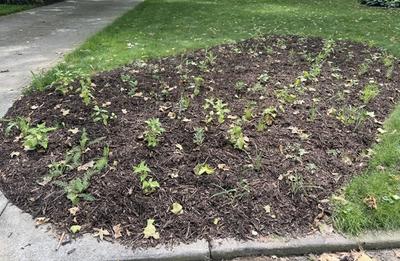
Turning your yard into wildlife habitat means designing it around what animals actually need: food, water, shelter, and safe places to raise young. This guide breaks those needs into practical steps you can apply in any size yard, using native plants and simple, low‑maintenance features.
What wildlife habitat means in a home landscape
In ecological terms, habitat is simply the combination of resources an animal needs to survive and reproduce in a particular place. For most backyard wildlife, that includes:
- Food throughout the year
- Clean, accessible water
- Cover for resting and hiding
- Nesting or overwintering sites
- Safe travel routes, with fewer hazards and chemicals
A typical lawn‑heavy yard offers very little of this. Short grass may support a few generalist species, but it rarely provides enough insects, seeds, berries, or shelter to sustain diverse birds, butterflies, bees, and other animals. In addition, a typical lawn requires a lot of water, chemical and mechanical input to maintain - things that each needlessly deplete or pollute the local environment over time. A habitat‑focused yard, built around native plants and simple features, can change that without sacrificing a neat, attractive look.
Start with native plants as your habitat backbone
Native plants are the foundation of effective backyard habitat. Because they evolved with local insects, birds, and other wildlife, they tend to provide much higher‑quality food and shelter, and are more robust to extremes in local weather, than many non‑native ornamentals.
Key reasons to center your habitat plan on natives:
- Insects need native hosts. Many caterpillars and specialist bees can only use certain native plants for part or all of their life cycles.
- Birds need insects. Even seed‑eating birds rely heavily on caterpillars and other insects when feeding their young.
- Structure and shelter. Native grasses, flowers, shrubs, and trees create varied heights and textures that offer hiding spots, nesting sites, and windbreaks.
For a beginner‑friendly approach, think in terms of a simple structure:
- Ground layer: native groundcovers and low perennials
- Middle layer: taller wildflowers and bunchgrasses
- Shrub layer: berry‑producing shrubs and small trees
The more layers you can comfortably fit, the more niches your yard will offer to different species.
Providing food for birds, pollinators, and other wildlife
Food is the resource people think of first, but it’s more than putting out a feeder. A habitat‑rich yard offers natural, season‑long food sources.
Focus on:
- Nectar for pollinators. Choose native flowers that bloom from early spring through late fall so bees, butterflies, and moths always have something to feed on. Mixing flower colors, shapes, and heights will support a wider range of pollinators.
- Host plants for caterpillars and specialist insects. Include plants known to host butterfly and moth larvae and support specialist bees. Even a small patch can provide critical breeding habitat.
- Seeds and berries for birds. Let some native flowers stand and go to seed for finches and other seed‑eaters. Add native shrubs and small trees that produce berries or nuts to feed birds through fall and winter.
- Leaf litter and “micro food webs.” A layer of leaves under shrubs and in beds harbors insects, spiders, and other invertebrates that many birds and small mammals rely on.
Supplemental feeders and nectar sources can still play a role, but plants should do most of the work. Plants are self‑replenishing and support far more species than feeders alone. Check out more ways to support Pollinators & Wildlife in our dedicated hub.
Adding water features that wildlife can safely use
Even a simple water source can dramatically increase the wildlife that visits your yard. The goal is clean, shallow, and safe.
Options include:
- Shallow birdbaths. Choose a basin with gentle slopes and a maximum depth of a few inches. Place it near shrubs or small trees so birds have quick escape cover.
- Ground‑level water dishes. A shallow dish or inverted garbage can lid set at ground level can serve pollinators, amphibians, and small mammals. Add stones so insects have landing spots.
- Mini ponds or water gardens. A small pond or container water garden with native aquatic plants can support dragonflies, frogs, and other water‑loving wildlife, especially if you skip fish and avoid chemicals.
Whatever you choose, keep the water clean, refill it regularly, and avoid smooth, steep‑sided containers where small animals can fall in and drown. A simple rock or branch in the water improves access and safety.
Creating shelter, cover, and safe nesting sites
Wildlife needs places to rest, hide from predators, and raise young. In a backyard, cover and nesting opportunities can be created with both plants and simple structures.
Plant‑based shelter:
- Dense shrubs and evergreen cover for birds to escape bad weather and predators
- Clump‑forming grasses and tall perennials for ground‑nesting and overwintering insects
- Layered plantings that create shaded, cool microhabitats in hot weather
Simple habitat features:
- Brush or log piles. A small, tidy brush pile or stacked logs in a back corner can provide shelter for birds, toads, insects, and small mammals.
- Rock piles or stone borders. These create crevices where reptiles, amphibians, and invertebrates can hide and regulate temperature.
- Nest boxes (used thoughtfully). Bird boxes, bee hotels, and bat houses can help, but they should complement, not replace, natural nesting options from plants and dead wood.
Whenever possible, leave some standing stems and seed heads through winter. Many insects overwinter in or on plant stems, and birds rely on the seeds and structure during colder months.
Making your yard safer for wildlife
Habitat is more than adding resources; it also means reducing common hazards. Small changes can make your yard healthier and safer for the species you hope to attract.
Consider:
- Reducing or eliminating pesticides and broad‑spectrum insecticides. These products often harm pollinators and beneficial insects as much as (or more than) the pests you want to control.
- Using a gentler approach to weeds. Spot‑treat problem weeds, hand‑pull when practical, and rely on dense plantings and mulch to suppress unwanted plants over time.
- Keeping outdoor cats indoors when possible. Outdoor cats kill large numbers of birds and small wildlife. If indoor‑only is not an option, consider “catio” spaces or limiting hunting at peak bird activity times.
- Making windows more visible to birds. Apply collision‑prevention decals or patterns to large glass areas near habitat plantings to reduce window strikes.
- Leaving some quiet, low‑traffic zones. Wildlife needs areas where they are not constantly disturbed by people or pets. Designating a calmer section of the yard can make a big difference.
These steps ensure the habitat you create actually benefits wildlife instead of turning into a risky trap.
Example: a small suburban yard transformed
To make this more concrete, imagine a typical small suburban backyard: mostly lawn, a patio, and a few foundation shrubs. A wildlife‑friendly redesign might look like:
- A native pollinator bed along one fence, with staggered bloom times and a mix of flower heights
- A cluster of native shrubs and a small flowering tree in one corner to provide berries, cover, and nesting spots
- A shallow birdbath near the shrubs, with a clear view and nearby perches
- A small brush or log pile tucked behind the shrubs, out of direct view, for shelter
- A reduced central lawn area edged with a clear border, so the new plantings read as intentional and tidy
Even without changing the entire yard, this layout dramatically increases food, water, cover, and nesting opportunities while still looking organized and neighbor‑friendly. Check out our guide on Balancing Curb Appeal, HOAs, and Ecological Native Gardens for more tips on keeping things aesthetically pleasing while providing a lot of service to your local ecosystem.
How My Home Park helps you create wildlife habitat faster
Designing wildlife habitat from scratch can feel overwhelming. It involves plant selection, layout decisions, and balancing ecological goals with appearance and maintenance.
My Home Park is built to simplify that process. Regionally focused native garden kits are curated to support pollinators and birds, provide season‑long bloom, and create layered structure that doubles as cover and nesting habitat. Extensive lists of individual native species also gives you the ability to bring your own vision to life, or break the seal on introducing some native species to your property.
With clear establishment and care guidance, you can spend less time worrying about “Am I doing this right?” and more time watching your yard come alive. Whether you start with a single bed or a larger project, you can use these principles - along with ready‑made native designs or even custom design support - to turn your yard into a thriving wildlife habitat step by step.
Share this article