Beginner’s Guide to Backyard Ecology for Homeowners

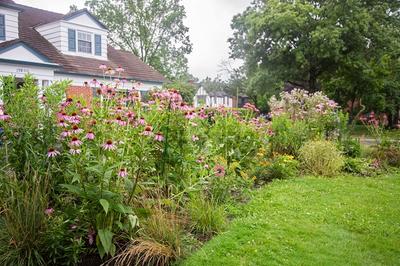
Backyard ecology is about seeing your yard as part of a larger living system, not just a patch of lawn to mow. This guide explains what that means in practical terms, why native plants are the backbone of ecological yards, and simple, achievable first steps you can take to create a healthier, wildlife‑friendly, lower‑maintenance landscape.
What is backyard ecology?
Backyard ecology looks at how plants, animals, soil, water, and people interact in and around home landscapes. Instead of treating a yard as a decorative backdrop, it treats it as a small piece of habitat and a functional part of the local ecosystem.
In a typical yard, choices like “mostly lawn” or “lots of mulch and a few shrubs” don’t just affect appearances. They determine:
- Which birds, butterflies, and bees show up.
- How well rainwater soaks into the ground versus running off.
- Whether the yard needs constant inputs like fertilizer, irrigation, and pesticides.
Backyard ecology helps homeowners understand these cause‑and‑effect relationships so they can make more intentional, nature‑positive choices.
Why your yard matters more than you think
Residential land makes up a surprisingly large share of many towns and cities. When most of that land is short lawn and non‑native plants, it offers very little food or shelter for wildlife and often depends on regular mowing, chemicals, and irrigation to maintain.
The flip side is that small changes in many yards can add up. A single native garden bed or a row of native shrubs might seem minor, but multiplied across a neighborhood, those choices can:
- Create connected habitat for birds, pollinators, and other wildlife.
- Improve stormwater absorption and reduce polluted runoff.
- Build healthier soil and reduce the need for high‑input lawn care.
Thinking this way turns everyday yard decisions into part of a larger effort to support birds, pollinators, and climate resilience close to home.
Key principles of an ecological yard
You don’t have to turn your whole property into a mini nature preserve to practice backyard ecology. A few core principles guide most ecological yards:
Right plants for your place: Favor native plants adapted to your region’s climate and soils.
Diverse structure: Aim for layers - groundcovers, flowers, grasses, shrubs, and small trees - rather than a flat, single‑height lawn.
Living soil: Feed and protect soil life with leaf litter, compost, and less disturbance instead of relying on frequent fertilizers.
Gentler maintenance: Reduce or avoid synthetic pesticides and herbicides, mow less often, and allow some natural processes (like leaves breaking down in beds).
Year‑round habitat: Keep something living and something to hide in available across all seasons, not just during peak bloom.
These principles give you a framework to evaluate any new idea: does this change add habitat, support soil and water, and reduce inputs, or does it work against those goals? Check out our Garden Design & Planning with Native Plants for more design tips.
Native plants: the foundation of backyard ecology
Native plants are species that evolved in your region alongside local insects, birds, and other wildlife. Because of this long history together, native plants often support far more life than many common ornamental or “utility” plants.
Many caterpillars and specialist bees can only use certain native plants as hosts. Those caterpillars and insects, in turn, are a critical food source for songbirds and other animals. When you plant natives, you rebuild these food webs in your yard, which is why a relatively small native planting can attract noticeably more birds, butterflies, and beneficial insects than a larger area of non‑native ornamentals.
From a homeowner’s perspective, native plants also tend to be a better long‑term fit. Once established in the right place, many require less watering and fewer inputs than plants that were never meant for your climate and soil. They give you color, structure, and ecological function at the same time.
Simple first steps to make your yard more ecological
You don’t need to redo your whole landscape at once. Focus on small, achievable steps that build momentum:
- Shrink the lawn (even a little). Convert a strip along a walkway, driveway, or fence into a native planting bed. Edge it cleanly so it looks intentional.
- Plant a small native pollinator garden. Choose a mix that blooms from spring to fall and includes different flower shapes and heights so a variety of pollinators can use it.
- Add a native shrub or small tree. A single berry‑producing shrub or flowering native tree can dramatically increase food and shelter for birds.
- Leave more leaves where it makes sense. In planting beds and under shrubs, a layer of leaves acts as free mulch, protects soil, and provides overwintering habitat for many beneficial insects.
- Cut back on chemicals. Spot‑treat weeds if needed instead of blanket spraying, and avoid “all‑in‑one” insecticides that harm pollinators and beneficial insects.
Each of these steps can be done on a typical suburban lot or even in a small urban yard and will start shifting your yard toward a more ecological baseline.
Common myths about ecological yards
As you get started, you might run into a few common misconceptions:
- “Ecological yards are messy.” Ecological designs can be neat and structured. Strong edges, clear paths, and repeated plant groupings help native gardens read as intentional.
- “Native gardens are harder to maintain.” Establishment takes some effort, but once plants are established and the design is dense enough to shade out weeds, maintenance often drops compared to a high‑input lawn.
- “My yard is too small to matter.” Even a small native bed, container grouping, or narrow side yard planting can act as a stepping stone for pollinators and birds moving through a neighborhood.
- “I have to change everything at once.” Incremental change is both realistic and effective. Many of the biggest long‑term improvements come from slowly replacing low‑value areas, like unused lawn strips, with higher‑value native plantings.
Naming and addressing these myths directly helps visitors feel seen and more willing to take the next step.
How My Home Park can help you get started
Understanding backyard ecology is one thing; deciding what to plant and where is another. It can be hard to translate broad principles into a concrete, realistic plan for a specific yard.
My Home Park simplifies that process by offering regionally focused native garden kits that already follow key ecological principles. Pre‑planned gardens group compatible native plants to support pollinators and birds, build healthier soil, and reduce watering over time, while also providing strong visual structure and curb appeal. Clear layouts and straightforward care guidance help you move from “I want an ecological yard” to “I know exactly what to plant in this space this season.”
Alongside this, there are many native plants on offer to choose from if you’d rather pick and mix yourself or just want to get started with a few species. Whether you are starting with a single bed or planning a larger transformation, you can use this beginner’s guide as your roadmap and lean on ready‑made native garden plans to make your first steps easier and more successful.
Share this article