Humane Deer Deterrents and Exclusion Options

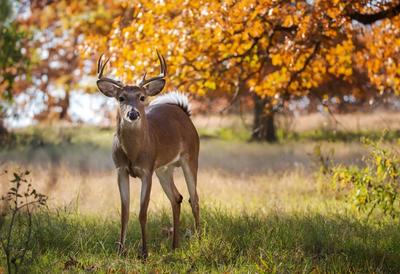
Humane deer management is about protecting your plants without harming wildlife or turning your yard into a fortress. By layering small‑scale barriers, repellents, and layout choices, you can make browsing inconvenient enough that deer move on sooner, while your garden stays welcoming for people and other species.
What “humane” deer management means
Humane deer management means:
- Discouraging browsing and redirecting movement, not injuring or killing deer.
- Avoiding traps, poisons, and tactics that can harm pets, people, or non‑target wildlife.
- Protecting plants enough to establish while keeping your yard part of a living ecosystem.
Humane management focuses on discouraging browsing and redirecting movement, not injuring or killing deer. It avoids harmful traps, poisons, and practices that can also hurt pets, people, or non‑target wildlife. The goal is to keep plants safe enough to establish while your yard remains part of a functioning ecosystem.
Why you need layers, not a silver bullet
You need layers because:
- No single deterrent works in all conditions or seasons.
- Weather, local herd behavior, and alternative food sources affect results.
- Combining layout, plant choice, barriers, and repellents adds enough friction that deer do less damage and move on sooner.
No single deterrent works perfectly in all conditions or all seasons. Weather, local deer pressure, and available food all influence how well any one tactic performs. A layered approach involving layout, plant choice, physical barriers, and repellents creates enough friction that deer move on more quickly and do less damage overall.
Physical exclusion: fences, cages, and netting
Common physical tools include:
- Perimeter fencing where allowed (typically tall, 7–8 foot woven or wire fences).
- Individual cages of welded wire or livestock panel around young trees and shrubs.
- Low garden fences (2–4 feet plus some visual “depth”) around high‑value beds.
- Temporary netting or mesh over new plantings during peak pressure.
Physical barriers remain the most reliable way to keep deer off specific plants or beds. Tall perimeter fences can be effective where allowed, but many home gardens rely more on smaller‑scale tools: individual cages around trees and shrubs, low fences around high‑value beds, and temporary netting over newly planted areas. These should be sturdy, visible enough for deer to see, and checked regularly so wildlife cannot get tangled. <<give some examples?>>
Repellents: scent and taste‑based options
Repellents generally work by:
- Scent: Strong smells like garlic, rotten‑egg sulfur compounds, predator urine analogs, or putrescent egg solids.
- Taste: Bittering agents or spicy components that make foliage unappealing.
They need:
- Regular reapplication, especially after rain or irrigation.
- Occasional rotation among active ingredients to reduce deer acclimation.
Scent‑ and taste‑based repellents can reduce browsing, especially when pressure is moderate. Many products rely on strong odors or bitter flavors that make plants less appealing, but they need to be reapplied regularly and after rain, and rotated to reduce “nose blindness.” Repellents work best as a supporting layer on top of good plant placement and some physical protection, not as your only line of defense. <<give some examples?>>
Visual and motion‑based deterrents
Visual and motion‑based tools include:
- Motion‑activated sprinklers or lights that startle deer at night.
- Occasional use of noise devices (only where appropriate and neighbor‑friendly).
- Reflective tape, fluttering flags, or hanging “eye” balloons as short‑term visual cues.
These are best used:
- During peak pressure on specific beds.
- As one layer in a broader mix of tactics, since deer often acclimate if nothing else changes.
Motion‑activated lights, sprinklers, and noise devices can startle deer and make certain areas feel less safe, particularly at night. Reflective tape, flags, or other visual cues may help in some situations, though deer often acclimate if nothing else changes. These tools are most useful for short‑term protection (such as during peak pressure on a specific bed) or as part of a broader mix of deterrents.
Keeping deterrents effective over time
To keep deterrents working:
- Rotate repellent types and where they’re applied.
- Move or adjust motion‑based devices periodically.
- Update fencing/cages as plants grow and deer patterns shift.
- Check regularly for new trails or damage so you can respond before habits set in.
Deer are adaptable, so any single tactic used in isolation tends to lose effectiveness. Rotating repellents, shifting where and how you use motion devices, and adjusting fencing or netting as plants grow all help maintain the “uncertainty” that encourages deer to move on. Checking your garden regularly for new trails or damage lets you respond early, before habits get established.
How My Home Park fits into humane deterrence
My Home Park helps humane deterrence by:
- Designing beds that cluster vulnerable plants where small, subtle protections are easiest.
- Leaning on tougher, deer‑tolerant natives along edges so lighter deterrents go farther.
When your planting plan already accounts for deer, by clustering vulnerable plants where they are easier to protect and using tougher species on edges, you need fewer, less intrusive deterrents. My Home Park garden kits and custom designs build in deer‑aware placement from the start, so small cages, short fences, and occasional repellent use go much farther. That way, you get a garden that feels intentional and welcoming, even while it quietly resists heavy browsing.
Read more on deterring Rabbits, Groundhogs, and Other Small Mammals in Native Beds and how to choose Deer-Tolerant Native Plants for Home Gardens.
Share this article