Deer‑Tolerant Native Plants for Home Gardens

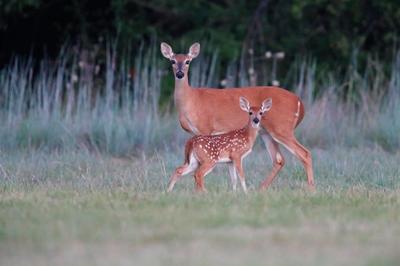
Deer‑tolerant native planting is about shifting the odds in your favor, not finding mythical “deer‑proof” plants. By leaning on tougher, less‑palatable natives and placing more vulnerable favorites where they are easier to protect, you can keep color, structure, and habitat value in your garden even under heavy browsing pressure.
Why “deer‑tolerant,” not “deer‑proof”
We describe plants as “deer‑tolerant” because:
- No plant is completely safe when deer are hungry enough.
- Some plants are generally less appealing or recover better from light browsing.
- Real success comes from pairing deer tolerant plants with good placement and protection.
Sadly, no plant is completely safe; hungry deer will sample almost anything when food is scarce or competition is high. “Deer‑tolerant” means plants are generally less appealing, less palatable, or bounce back well from light browsing, especially when combined with smart layout and targeted protection.
Traits that make plants less appetizing
Deer often avoid plants that are tough, spiny, strongly aromatic, fuzzy, bitter or toxic, preferring soft, mild‑tasting foliage. Many native grasses, sedges, ferns, and aromatic wildflowers (like mints) fall into one or more of these categories, making them excellent building blocks in high‑pressure yards.
Common “leave‑me‑alone” traits include:
- Tough or leathery leaves. Examples: Grasses, sedges, evergreen and semi-evergreen groundcovers.
- Strong fragrances (especially many mint‑family plants). Examples: mountain mints, bee balms, native hyssops, aromatic shrubs, some asters and goldenrods.
- Fuzzy, hairy, or prickly textures. Examples: coneflowers, some goldenrods, thistles.
- Milky sap or compounds that taste bitter or unpleasant. Example: milkweeds.
Using deer‑tolerant natives in your design
At-a-glance:
- Using tougher, less‑palatable natives along edges and known deer paths as buffers.
- Tucking more vulnerable “candy” plants closer to the house, paths, or enclosed spaces.
- Planting in dense groups/matrices rather than isolated rows so deer are less inclined to pick through.
Plant choice and placement work together: tougher, less‑palatable natives can shoulder the most exposure, while more vulnerable “candy” plants get extra protection. Placing deer‑tolerant natives along edges, near known deer paths, and in more open sightlines creates a living buffer around your garden.
Inside those buffers, you can tuck your favorite, more browsable species closer to the house, along paths, or in partially enclosed spaces where deer are less comfortable lingering. Planting in dense groups rather than single specimens also helps, because deer are less likely to pick their way through a thick, textured matrix than a neat row of isolated plants. Read further in our Designing Gardens to Reduce Deer Pressure guide.
Useful plant groups (not a master list)
Instead of memorizing one universal list, focus on these plant groups and then choose regional species within them:
- Native bunchgrasses and sedges that deer seldom target but that provide structure and cover.
- Aromatic perennials like many mint‑family natives, certain asters, and goldenrods that offer nectar but are less appealing to deer.
- Coarse or spiny shrubs that can serve as living hedges or edge plants in high‑pressure zones.
Gardeners can then pair these groups with local extension lists or regional native‑plant guides to choose species that match their climate, soils, and light conditions. If you decide to browse the native species My Home Park has on offer be sure to filter the total list by deer resistant under ecological benefits (or just click this link!).
Setting expectations and layering strategies
With deer‑tolerant planting, aim for:
- Occasional sampling that plants can bounce back from, not zero browsing.
- A backbone of tougher natives that deer mostly ignore.
- Layered defenses: traits, placement, physical protection, and repellents as backup.
Even the most deer‑tolerant plants may be sampled from time to time, especially in late winter or during drought. Real success comes from layering: smart plant traits, smart placement, some physical protection for new or high‑value plants, and, if needed, repellents as a supporting tool.
Thinking this way shifts the goal from “deer never touch anything” to “deer mostly ignore the backbone of the garden, and occasional nibbling does not ruin the design.” Get more tips and further calibrate your expectations if you live in a deer-heavy area with our guide on Protecting New Plantings from Deer and Rabbits.
How My Home Park helps with deer‑aware plant choices
My Home Park can help you:
- Start with pre‑designed gardens that already lean on deer‑tolerant natives for your region.
- Filter single‑species catalogs by site conditions and deer resistance to find hardy core species.
Choosing deer‑tolerant natives plant by plant can feel overwhelming, especially when you are also trying to support pollinators and other wildlife. My Home Park’s pre-designed gardens most often already lean more heavily on native species with deer‑tolerant traits so you can start with a design that already balances color, bloom time, habitat value, and browsing pressure for your region and site conditions.
Want some more tips? Check out our Humane Deer Deterrents and Exclusion Options. Also, if deer aren’t your main animal of concern, our guide on Rabbits, Groundhogs, and Other Small Mammals in Native Beds might be the better fit.
Share this article