Patios, Decks, and Container‑Friendly Native Gardens

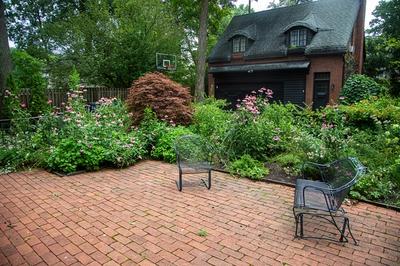
Patios, decks, balconies, and small courtyards can be just as alive as in‑ground gardens. With the right native plants in well‑chosen containers, you can turn hard surfaces into leafy rooms that attract bees, butterflies, and birds while still feeling tidy and easy to use. This guide walks you through why containers matter for habitat, how to design “mini beds” in pots, and which native plant types and care habits keep your container garden thriving season after season.
Why patios, decks, and containers matter for habitat
Native containers matter because they:
- Provide nectar, pollen, seeds, and cover even when plants are not in the ground.
- Act as “stepping stones” that help pollinators and birds move between larger green spaces.
- Soften hard surfaces, cool small outdoor areas, and catch some stormwater that would otherwise go straight to drains.
Wildlife does not care whether a native plant is in the ground or in a pot, it still provides nectar, pollen, seeds, and cover, as long as the plant is healthy and well sited. On patios and decks, groupings of native containers can act as small habitat “stepping stones,” helping pollinators and birds move between larger green spaces across a neighborhood.
In dense or paved environments, these container gardens also soften hard edges, cool surfaces, and capture some stormwater that would otherwise rush straight into drains. That means your outdoor living area becomes more comfortable for people while also contributing to a more connected, wildlife‑friendly landscape.
To design a native container garden, think in four stages: plan, position, plant, and protect.
- Plan - Begin by mapping light, wind, and available space: note which spots get full afternoon sun, which stay shaded by railings or roofs, and where people need clear access for doors, seating, and grills.
- Position - Use larger, deeper containers wherever possible, especially for native grasses, perennials, and small shrubs, since many native species have more substantial root systems than typical annuals and will be healthier with more soil volume. Containers around 5 gallons are a good starting point for most first native plantings.
- Plant - Think in small “mini‑beds” instead of isolated pots. Native plants can be grouped closely (for example, about 6 inches on center) to quickly fill out and capture different heights and sizes in a single container; place taller plants toward the back or center, medium‑height species in the middle, and low, spilling plants at the front.
- Protect - Check on your container gardens regularly for stress signals like wilting, yellowing leaves, pests, or soil that stays too wet or dries out too fast (and check our Problem Solving section if necessary). Use what you notice to make small adjustments, like shifting a pot to better light, watering more deeply but less often, trimming damaged growth, or refreshing tired soil so your native plants stay healthy and the mini‑habitat you’ve created can thrive over time.
Plant types that thrive in containers
For containers, prioritize natives that:
- Tolerate limited soil volume and periodic drying.
- Have naturally modest or fibrous root systems.
- Offer bloom, texture, and wildlife value in a compact footprint.
Many native perennials, grasses, and even small shrubs adapt well to container life when they have enough soil depth and a suitable potting mix. Look for species with naturally modest root systems or those that tolerate rocky, thin, or shoreline soils, since they are already adapted to limited soil volume and periodic drying. To save time you can browse our predesigned container gardens or peruse our single species native plants considering the following conditions.
To make each container group feel like a balanced garden, combine a mix of roles: upright bloomers for color and nectar, mounding or grassy plants for texture and filler, and trailing or low groundcovers to spill over edges. These three roles are often described as “thrillers,” “fillers,” and “spillers.”
- Thrillers are the tall, eye‑catching focal plants that add height and drama. They’re usually placed in the center (for all‑sides viewing) or the back (against a wall) and set the overall look of the container.
- Fillers are mid‑height, mounding plants that surround the thriller and make the arrangement look full. They visually connect the thriller to the pot and to neighboring plants, adding mass, color, and texture.
- Spillers are trailing plants that grow over and down the sides of the container, softening the pot’s edge and pulling the eye downward. They visually anchor the arrangement to its setting and add a sense of movement.
Including at least one larval host plant alongside nectar and texture plants turns your patio or deck into a place that supports the full life cycle of one or more butterfly species, not just the adult stage. Consider reading more in our Pollinator Design Guide and Butterflies, Moths, and Host‑Plant Gardens pages to learn more.
For successful native containers:
- Use high‑quality, well‑draining potting mix (not straight garden soil).
- Ensure good drainage with holes and appropriate saucers.
- Water deeply and regularly, especially in hot, exposed spots.
- Refresh soil and group pots for winter protection where needed.
Use high‑quality, well‑draining potting mix rather than native soil from the yard, which can become too compacted in pots and hold either too much or too little water. Ensure each container has drainage holes, and consider saucers or drip trays where needed to protect decks while still allowing excess water to escape.
Plan for regular, deep watering, especially in hot, exposed sites, and expect to refresh or top‑dress containers with compost each year to replace nutrients lost through drainage. In colder climates, grouping containers together for winter, choosing frost‑resistant pots, and selecting region‑appropriate natives improves survival and lets your container‑friendly native garden come back stronger each season.
This FAQ covers plant counts, soil, watering, and how long natives can stay in pots.
How many plants should I put in one container?
For a typical 5‑gallon pot, 3 to 6 small native plants is usually enough: one thriller, one to three fillers, and one spiller. Aim to cover most of the soil surface at planting so the container fills in quickly without being overcrowded by midsummer.
Do I need special soil for native plants in pots?
Many areas can get away with using a high‑quality container potting mix (ideally peat‑free) or a blend of potting mix and compost; avoid using unamended garden soil alone in pots, since it can compact and drain poorly. If planting in the Southwest, a well-draining cactus/succulent mix is often best.
How often should I water native containers?
Unless living in a naturally arid region, plan on checking moisture at least a few times a week in warm weather. As a rule of thumb, water deeply when the top inch of mix is dry, then let excess drain; containers in full sun or windy spots will dry out faster than those in part shade or sheltered corners.
Can I keep native plants in containers year‑round?
Many natives can live for several years in containers, especially in larger, insulated pots, but some may eventually prefer life in the ground. In colder climates, group containers for winter, avoid tiny pots for perennials, and be prepared to “graduate” long‑lived and larger species into garden beds after a few seasons.
Share this article