Butterflies, Moths, and Host‑Plant Gardens with Native Plants

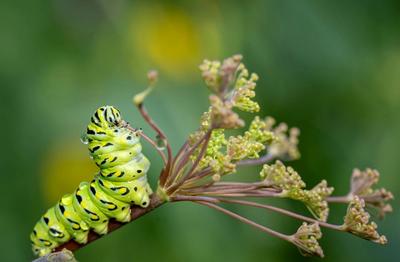
Butterflies and moths spend most of their lives as eggs, caterpillars, and pupae - stages that many “butterfly gardens” ignore. A true host‑plant garden focuses on feeding and sheltering these hidden life stages as well as the adults you see on flowers. This guide explains how to use regionally native host plants, soft‑landing areas, and season‑long nectar to support butterflies and moths from egg to adult in a yard that still looks intentional and neighbor‑friendly.
Why host‑plant gardens matter for butterflies and moths
Host‑plant gardens matter because they:
- Provide specific plants that caterpillars must eat to survive.
- Offer safe ground‑level habitat for eggs, larvae, and pupae.
- Turn nectar‑only “butterfly gardens” into full life‑cycle support systems.
Butterflies and moths spend most of their lives as eggs, caterpillars, and pupae, not as the adults we notice on flowers. Host‑plant gardens focus on supporting these less visible stages by providing the specific native plants and safe ground‑level habitat larvae need to feed, grow, and transform.
Adult butterflies and moths do use nectar flowers, but many species will only lay eggs on a narrow range of host plants, often within particular native genera or families. Without those hosts, and safe places for caterpillars to pupate, even the best “butterfly garden” of nectar plants falls short of supporting complete butterfly life cycles.
Understand the butterfly and moth life cycle
Butterflies and moths go through four stages:
- Egg: Laid on or near specific host plants.
- Caterpillar (larva): Feeds mostly on host‑plant leaves or soft tissues.
- Chrysalis/cocoon (pupa): Develops on stems, leaf litter, or nearby structures.
- Adult: Relies on nectar for energy and seeks host plants to lay eggs.
Butterflies and moths go through four stages: egg, caterpillar (larva), chrysalis or cocoon (pupa), and adult. Females choose host plants carefully, often “tasting” leaves with receptors on their feet to confirm they have found the right species before laying eggs.
Once eggs hatch, caterpillars feed almost exclusively on their host plants, sometimes on leaves, sometimes on buds or other soft tissue. When fully grown, they leave feeding sites to pupate on stems, leaf litter, or nearby structures, and the emerging adults then depend on nectar‑rich flowers for energy.
Why native plants are essential for host‑plant gardens
Native plants are essential because:
- Most larvae are specialized to eat only certain native plant groups.
- Many keystone trees and shrubs (like oaks, willows, cherries) host hundreds of species.
- Regionally native plants provide the right chemical cues and nutrition for each stage.
Most butterfly and moth larvae are specialized to eat only certain plants or plant groups, many of which are native trees, shrubs, grasses, and wildflowers. For example, monarchs use native milkweeds, while countless other species rely on oaks, willows, cherries, and other keystone native woody plants.
Native plants have co‑evolved with local butterflies and moths to provide the right chemical cues and nutrition for eggs, caterpillars, and adults. Filling your garden with regionally native hosts and nectar plants dramatically increases the number and diversity of butterflies and moths your yard can support. The main reason so many backyard ecology groups promote the planting of regionally appropriate species of milkweed (Asclepias) is because this is the sole host plant of the endangered Monarch butterfly. If you’re keen to support monarch caterpillars in your own yard, check out our Supporting Monarchs guide.
Choosing host plants: think in plant types and genera
To choose host plants efficiently:
- Start with a few keystone native trees and shrubs (oaks, cherries, willows, viburnums, etc.).
- Under them, add native perennials and grasses (asters, goldenrods, violets, and regional favorites).
- Use regional/state host‑plant lists to pick species native to your area.
You do not need a huge species‑by‑species list to get started; focusing on key plant types and genera is enough to build strong host‑plant value. Native trees and shrubs such as oaks, cherries, willows, and certain maples or viburnums host hundreds of butterfly and moth species between them in many regions, though these plants (especially oaks) also demand much more space and time than is typically available in a side or front yard garden.
Under and around these woody plants, native perennials and grasses - such as asters, goldenrods, violets, and other regional favorites - provide additional larval food and nectar. Using your regional or state host‑plant lists will help you match these plant types to species that are truly native where you live.
Plan nectar across seasons for adults
For adult butterflies and moths, plan nectar in three waves:
- Early season: Flowers for spring species and newly emerged adults.
- Midseason: Peak diversity and activity.
- Late season: Fuel for migration and overwintering prep.
Adult butterflies and many moths still need nectar, so host‑plant gardens should also include a wide seasonal range of native flowers. Early blooms help spring species and newly emerged adults, midseason flowers carry much of the activity, and late blooms fuel migration or overwintering preparations.
Flat or clustered flower forms - such as many asters, goldenrods, and milkweeds - are especially accessible to a variety of butterflies, while night‑blooming or pale, fragrant flowers can support moths that fly and feed after dark (also check out our Nightlife: Moths, Bats, and Fireflies guide). Grouping each plant in clumps enhances both visibility and foraging efficiency.
Create “soft landings” for caterpillars and pupae
A “soft landing” is:
- A layered native planting under trees/shrubs (groundcovers, ferns, woodland flowers).
- With leaf litter left in place as a thin duff layer.
- Designed so larvae that drop from host plants land on vegetation and litter, not pavement or tight turf.
Soft landings are diverse native plantings plus leaf litter beneath trees and shrubs that give caterpillars a safe place to drop, crawl, and pupate. Instead of landing on hot pavement or tightly mown turf, larvae encounter cushioning vegetation, duff, and sheltered stems where they can form chrysalides or cocoons.
Under keystone trees like oaks, cherries, willows, and pines, replacing lawn with low native groundcovers, ferns, and woodland flowers, while allowing a layer of leaves to remain, can dramatically improve survival for butterflies and moths. These soft landings also benefit other insects like fireflies, beetles, and bumble bees. Read our dedicated guide on Soft Landings and Caterpillar Habitat for more.
Make host‑plant gardens beautiful and neighbor‑friendly
To keep host‑plant gardens looking intentional:
- Frame naturalistic areas with clear edges (borders, paths, mown strips).
- Repeat a simple palette of key host and companion species.
- Place more “chewed” host plants slightly back from front edges.
- Use a small sign to explain the butterfly/moth focus.
Host‑plant gardens can look just as intentional as any other planting. Use clear edges - borders, mown strips, or paths - to frame more naturalistic plantings under trees and along beds, and repeat a palette of key species to keep the design cohesive.
You can tuck high‑value host plants into existing beds or create dedicated “wildlife strips” along fences and side yards, while keeping front edges lower and tidy. A small sign explaining that your garden supports butterflies and moths throughout their life cycles helps visitors and neighbors understand the purpose behind your choices. Check out our Pollinator Garden Design and Balancing Curb Appeal, HOAs, and Ecological Native Gardens guides for more tips.
How My Home Park helps with host‑plant gardens
My Home Park can help you:
- Select regionally appropriate host and nectar plants, including keystone woody species.
- Integrate host plants and soft landings into custom designs for your specific yard.
My Home Park can help you choose regionally appropriate native plants that function as both nectar sources and host plants, including keystone trees and shrubs, perennials, and grasses. Curated combinations and plant information make it easier to see which species support caterpillars as well as adult butterflies and moths.
If you want more support, design guidance and custom plans can focus specifically on integrating host plants and soft landings into your yard—under existing trees, along edges, or in new beds—so you can be confident your garden is supporting full life cycles, not just adult butterflies on flowers.
Common questions about butterflies, moths, and host‑plant gardens
This FAQ addresses how many host plants you need, aesthetics, supporting moths, and leaf‑cleanup trade‑offs.
Do I need lots of different host plants to help butterflies and moths?
A handful of well‑chosen native trees, shrubs, and perennials can support many species, especially if they are known regional host plants. Starting with keystone woody plants and a few high‑value perennials is often more impactful than many scattered, less useful species.
Will host plants look “eaten” or messy from caterpillar feeding?
Some chewing is normal and a sign your garden is working, but careful placement helps. Position more heavily used host plants slightly away from front edges or mix them with plants that hold their form well so the overall bed still reads as attractive.
How can I support moths, not just butterflies?
Many moths use the same host trees and shrubs as butterflies, but they often fly and feed at night. Adding native night‑blooming or pale, fragrant flowers and reducing bright nighttime lighting makes your garden more inviting for moths and other nocturnal pollinators.
Do I have to stop raking leaves to help caterpillars?
You do not need to abandon cleanup entirely. Leaving more leaves and plant debris under trees, shrubs, and in designated soft‑landing zones, while keeping paths and high‑traffic areas tidier, strikes a balance between habitat and a cared‑for look.
Share this article