Watering Native Gardens: Establishment vs. Long‑Term Care

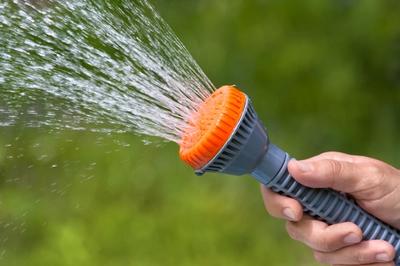
Watering native gardens is about timing and patterns, not constant pampering. This guide explains how to water during the first couple of seasons versus after plants are established, how to avoid both soggy and bone‑dry extremes, and how to help roots grow deep so your garden truly becomes “low‑water,” not “no‑water.”
Key idea: natives are “low‑water,” not “no‑water”
Two truths to hold at once:
- During establishment, native plants absolutely need consistent moisture.
- Once established in appropriate conditions, many natives can thrive on normal rainfall, with only occasional supplemental water during extreme drought.
Most watering problems come from either assuming native plants need no water at all in year one, or watering them like thirsty annuals forever.
Establishment phase: first 1–2 growing seasons
Right after planting (first week)
Goal: fully wet the root zone and eliminate air pockets.
- Water thoroughly right after planting each plant.
- Let the water soak in, then water again so moisture penetrates through and slightly beyond the root ball.
- For plugs and small containers, this may be several gallons per plant over that first day or two.
First 2–4 weeks
Goal: keep soil consistently moist, not soggy.
- Check soil moisture near the root zone every day or two with your fingers or a trowel.
- Water deeply whenever the top 1–2 inches are dry, rather than sprinkling lightly every day.
- In cool, rainy periods you may not need to water at all; in hot, dry spells you might water every 1–2 days.
Rest of first growing season
Goal: encourage roots to go deeper.
- Shift to deep, less frequent watering, typically once or twice a week in dry weather (unless there are regular rains).
- Each time you water, apply enough to soak the soil 4–6 inches deep.
- Always adjust for your soil and climate:
- Sandier soils dry faster and may need slightly more frequent watering.
- Clay soils hold water longer; wait until the top couple of inches begin to dry before watering again.
- A good rain storm typically counts as a watering. You don’t need to provide supplemental water if natural precipitation is already getting this job done.
Organic mulch or leaf cover around new plants (not piled against stems) helps slow evaporation and even out moisture. Read our guide on Watering New Plantings Through Establishment to learn more.
Year 2: tapering to “as needed”
By the second growing season, many natives have enough root growth to handle typical swings in moisture, especially if they’re in the right spot.
- Continue to water deeply but much less often, focusing on newer or slower‑establishing plants.
- In average rainfall years, you might only water during extended dry spells (e.g., more than 1–2 weeks with little rain and high heat).
- Watch plants rather than the calendar: flagging, overall wilting, and soil that’s dry several inches down are signs it’s time for a deep soak.
Some species (especially larger shrubs and trees) will still appreciate occasional deep watering in their second year, but the goal is moving steadily toward independence. Note that these rules do not apply to areas that are regularly quite arid or otherwise follow cycles of dry and rainy seasons rather than true spring, summer, fall, winter shifts.
Long‑term: “rainfall first, hose in emergencies”
Once native plantings are established and appropriately sited:
- Many perennials and grasses can thrive on rainfall alone in typical seasons.
- Shrubs and trees will generally only need watering during severe or prolonged drought.
- Overwatering at this established stage often does more harm than good, especially in heavy or slow‑draining soils.
Think of watering as a tool for extreme conditions, not a default weekly chore.
How to tell if you’re over‑ or under‑watering
Signs of over‑watering
- Soil feels consistently wet or sticky several inches down.
- Lower leaves yellow and drop; plants may look limp even though soil is wet.
- You see algae, moss, or detect a sour smell on the soil surface.
In this case:
- Increase time between waterings and water less frequently but still deeply when needed.
- Check whether low areas or compacted soil are trapping water; consider improving drainage or moving sensitive species.
Signs of under‑watering in establishment
- Soil is dry several inches down and pulls away from the edge of the planting hole.
- Plants wilt and don’t recover overnight, or new growth is small and stalled.
- Leaves may crisp at the edges or drop prematurely (e.g. before the end of the growing season).
In this case:
- Give a deep soak immediately, then adjust your schedule so the root zone doesn’t repeatedly swing from bone‑dry to flooded.
- In very hot weather, temporary shade cloth for new transplants can reduce stress while you catch up. Check out Summer Watering and Drought Care for more.
Special situations: containers, slopes, and heavy clay
Containers
- Dry out much faster than in‑ground plantings.
- Often need daily or every‑other‑day watering in hot weather, even for natives, unless handling arid-adapted species.
- Water until excess drains out the bottom; don’t let pots sit in standing water long‑term.
Slopes
- Water runs off quickly; use slower, gentler watering (soakers, drip, or a low‑flow nozzle if needed).
- Water in shorter, repeated cycles so moisture can soak in instead of washing away.
- Mulch and dense plant roots are especially important to hold water and soil.
Heavy clay
- Holds moisture longer and drains slowly.
- It’s easy to drown plants by watering too often, even if the surface looks dry.
- Always check a few inches down before watering; err on the side of less frequent, deeper watering.
- Be sure you have planted native plants that are adapted to clay - even with the right watering regime, mismatched plants will struggle (learn more about Understanding Your Soil Type for Native Gardening here).
Watering and design: making it easier on yourself
Good design makes watering simpler:
- Group plants by water needs so you’re not forced to over‑water some to keep others alive.
- Put drought‑tolerant species in your driest, hottest spots and reserve closer, easier‑to‑water areas for plants that genuinely need more moisture.
- Use rain gardens or low spots for moisture‑tolerant natives that can handle occasional soaking.
The more you align plant choice with microclimate, the less you’ll need the hose. Check out our writeup on Climate-Resilient Yards: Native Landscaping for Heat, Drought, and Heavy Rain for more on how native plants can help stabilize your yard.
How My Home Park helps you get watering right
Watering is much easier when you start with plants and layouts that match your site and are designed to become low‑input over time.
My Home Park’s native garden kits:
- Group plants with similar water and light needs.
- Use species that are well‑suited to your region’s typical rainfall and soil conditions.
- Include straightforward guidance on establishment watering and when to taper off.
With that foundation, you can treat this guide as a confidence boost and fine‑tuning tool, helping you give new plants the water they need early on, and then enjoy the long‑term “low‑water” benefits native gardens are known for. Already confident about your conditions and approach? We have many native species to browse and buy, including flowers, grasses, ferns, shrubs, and trees. Unsure of where to even start? Our full custom design service will pull together the right plants for your yard complete with an easy-to-follow map to help ensure your success.
Share this article