Bird‑Friendly Native Yards: Trees, Shrubs, and Gardens for Birds

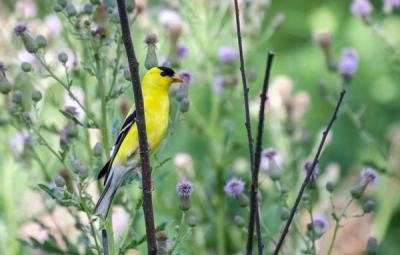
A bird‑friendly yard is more than a few feeders and a nice lawn. When you fill your space with regionally native trees, shrubs, flowers, and grasses, you’re building the living food web birds actually depend on, one rich with insects, seeds, berries, and safe cover. This guide shows you how to use native structure and four‑season planting to provide food, water, shelter, and nesting sites so birds can feed, hide, and raise their young right where you live.
Why native yards matter so much for birds
Native yards help birds because they:
- Support far more insects (especially caterpillars) than non‑native plantings.
- Provide the insect food young songbirds need to grow.
- Offer layered structure (groundcover, shrubs, canopy) for feeding, hiding, and nesting.
Most songbirds rely on insects - especially caterpillars - to raise their young, even if adults eat a lot of seeds or fruit. Native trees, shrubs, grasses, and flowers support far more insect biomass than non‑native ornamentals, which translates directly into more and healthier birds in your yard.
Bird‑friendly yards also provide layered structure, things like groundcover, shrubs, and canopy, so birds have safe places to feed, hide, and nest. When that structure comes from regionally native plants, you get both visual interest and a living food web, rather than just greenery.
Key elements birds need: food, water, shelter, nesting
Birds thrive when your yard provides:
- Food: Insects, nectar, seeds, and fruits from native plants.
- Water: A shallow birdbath or small moving water feature.
- Shelter: Dense shrubs, thickets, evergreens, and cover from predators.
- Nesting sites: Cavities, branch crotches, dense shrubs, and, where appropriate, nest boxes.
Birds need reliable food sources through the seasons: insects, nectar, seeds, and fruits. Native plants supply all of these, from insect‑rich foliage and flowers to seed heads on grasses and berries on shrubs and trees.
Water and shelter are just as important. A shallow birdbath or small moving water feature plus dense shrubs, thickets, and evergreen cover give birds safe places to drink, bathe, roost, and escape predators. Nesting sites show up in cavities, branch crotches, dense shrubs, and sometimes in specialized structures like nest boxes, but all of them are easier to use in a richly planted native yard.
Build structure with native trees and shrubs
Use native woody plants to:
- Form the backbone of habitat (oaks, cherries, serviceberries, viburnums, dogwoods, etc., depending on region).
- Create “shrubby edges” along fences and boundaries where birds can forage with overhead cover.
- Place bird activity where you can see it from windows and seating areas.
Native trees and shrubs are the backbone of a bird‑friendly yard. Species like oaks, cherries, serviceberries, viburnums, and dogwoods (varying by region) host large numbers of insects and also provide blossoms, fruits, and shelter.
Layering small trees, large shrubs, and understory shrubs around the edges of your yard or along fences creates “shrubby edges” where birds can forage and nest with cover overhead. Placing some of this structure where you can see it from windows and seating areas gives you frequent, close‑up bird activity without sacrificing their sense of safety.
Add native flowers and grasses for seeds, insects, and cover
Under and between woody plants, native flowers and grasses:
- Attract insects that birds eat.
- Provide seed heads and stems birds use in fall and winter.
- Add low and mid‑height cover for foraging and protection.
Under and between woody plants, native perennials and grasses add another layer of bird value. Flowering plants attract pollinators and other insects that birds eat, while grasses and many perennials provide seed heads and stem structure that birds use in fall and winter.
Leaving some plants standing through winter, rather than cutting everything to the ground in fall, keeps food and cover available when resources are scarce. Mixing clumps of grasses with drifts of flowering plants creates attractive “messy in the middle, tidy at the edges” beds that work for both birds and neighbors.
Want a better sense of what qualifies as a “native” plant? Check out our Native Plants 101 hub.
Plan year‑round interest that also feeds birds
Aim for bird value in all four seasons:
- Spring: Flowers and new foliage that support insects and early migrants.
- Summer: Abundant insects, nectar, and leafy cover.
- Fall: Berries, seeds, and colorful foliage.
- Winter: Standing stems, seed heads, and evergreen cover for food and shelter.
Bird‑friendly planting is inherently four‑season. Spring flowers and emerging foliage support insects and early migrants; summer brings abundant insects, nectar, and cover; fall contributes berries, seeds, and colorful foliage; and winter structure and evergreen cover provide roosting and protection.
Choosing plant combinations that stagger blooms, fruits, and seed availability across the year ensures something is always on offer. This also keeps the yard visually engaging in every season, so the same choices that help birds make your landscape feel richer and more alive.
For more tips on how to layer and time a native garden, check out our Garden Design & Planning hub.
Make bird‑friendly yards look intentional
To keep bird‑rich yards neighbor‑friendly:
- Use clear edges, strong paths, and repeated plant groupings.
- Set taller or shrubbier plantings slightly back from sidewalks and property lines.
- Use focal points like a specimen shrub, small tree, or birdbath to anchor views.
Bird‑rich gardens can still meet expectations for neatness and curb appeal. Use clear edges, strong paths, and repeated plant groupings to frame more naturalistic planting inside, especially in front yards or HOA‑visible areas.
Keep taller or shrubbier plantings slightly back from sidewalks and property lines and use lower, neater species along the front edge. Strategic focal points like a specimen shrub, small tree, or birdbath give the eye a place to land and highlight the presence of birds as part of the garden’s beauty.
For more tips on planting for nature inside an HOA, check out Balancing Curb Appeal, HOAs, and Ecological Native Gardens.
How My Home Park helps with bird‑friendly native yards
My Home Park can help you:
- Choose regionally native plants that host insects, provide berries/seeds, and offer shelter and nesting structure.
- Get custom designs that balance views with dense cover and bird value in your region.
My Home Park can help you select regionally native trees, shrubs, grasses, and perennials that offer strong bird value: hosting insects, producing berries or seeds, or providing shelter and nesting structure. Ecological benefits can be found in our native garden kits and any of our featured plants that highlights features like bird‑friendliness or pollinator support to help guide your choices.
Custom design support can focus specifically on bird habitat, shaping planting plans that balance views with dense cover, and suggesting plants that support both insects and birds in your region. That way you can move from wanting “more birds” to having a yard where they visibly feed, nest, and return season after season.
Common questions about bird‑friendly native yards
This FAQ covers how bird planting differs from pollinator planting, feeders vs plants, nuisance concerns, and yard size limitations.
Is planting for birds different from planting for pollinators?
There is a lot of overlap: native plants that support insects are good for both. Bird‑focused planting leans more on woody plants, berries, seeds, and dense structure, while pollinator gardens emphasize nectar and pollen, but together they form one integrated habitat. Check out our guide on Butterflies, Moths, and Host‑Plant Gardens for more.
Should I still use bird feeders if I plant for birds?
Feeders can be a useful supplement, especially in winter, but bird‑friendly native plantings provide the insects, fruits, and seeds birds evolved to eat. Many experts recommend thinking of plants as the “main course” and feeders as an optional, well‑maintained side. Bear in mind that feeders tend to also attract “pest” birds like Starlings and European House Finches.
Will a bird‑friendly yard attract unwanted animals?
Any rich habitat can attract a mix of wildlife, but thoughtful design can limit real problems. Avoid overflowing feeders, keep compost secure, and place dense cover away from foundations; focusing on plants rather than large volumes of loose seed generally reduces nuisance issues.
Do I need a big yard to help birds?
No. Even small yards, townhouse gardens, and shared greens can support birds, especially if they include native shrubs or small trees plus a few flower‑ and seed‑rich beds. When multiple neighbors add native plants, these small patches link into meaningful habitat corridors. Check out our write up on Habitat Corridors, Edges, and “Wildlife Highways” for more.
Share this article