How to Grow California Buckwheat

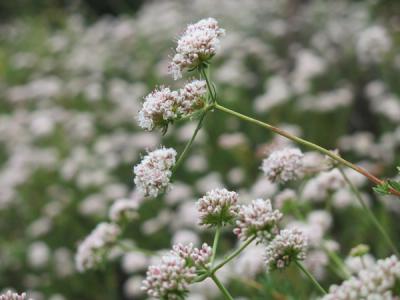
California buckwheat is one of the best native plants you can grow for pollinators. This tough, evergreen California native shrub covers itself in flat clusters of white to pinkish white flowers for months, feeds native bees and butterflies, and needs almost no water once it settles in.
The short answer on how to grow it: plant California buckwheat in full sun and lean, well-drained soil, water it through its first dry season, and then let it live on rain. This guide is for California gardeners with a sunny slope, parkway, or dry corner who want a low-water plant that does a lot for wildlife. It covers when and how to plant, care by season, pruning, wildlife value, other buckwheats, companion plants, and answers to common questions. Get it established once and it will feed pollinators for years with almost no help.How to grow California buckwheat, a drought tolerant native shrub that feeds bees and butterflies: planting, pruning, seasonal care, and FAQs.
California buckwheat plants at a glance
- Sun: Full sun; can tolerate part shade inland
- Water: Very low; a monthly summer soak keeps it looking its best
- Size: Usually 2 to 4 feet tall and wide; low forms stay under 2 feet
- Bloom season: Late spring through summer, often into fall
- Soil: Lean, well-drained soil; thrives on slopes
- Attracts: Native bees, honey bees, butterflies, and birds
- Foliage: Evergreen; small, leathery leaves with a woolly underside
- Where it grows: Coastal areas to mountains and deserts, especially Southern California
When to plant California buckwheat
Fall is the best time to plant California buckwheat. Cool weather and winter rain let the roots grow deep before summer heat, which is the secret to a drought tolerant plant. Early spring planting works too, with a little more water through the first summer.
California buckwheat is more often killed by kindness than neglect. Too much summer water, rich soil, or overhead sprinklers can shorten its life. Once it is established, the best thing you can do is leave it alone.
How to plant California buckwheat
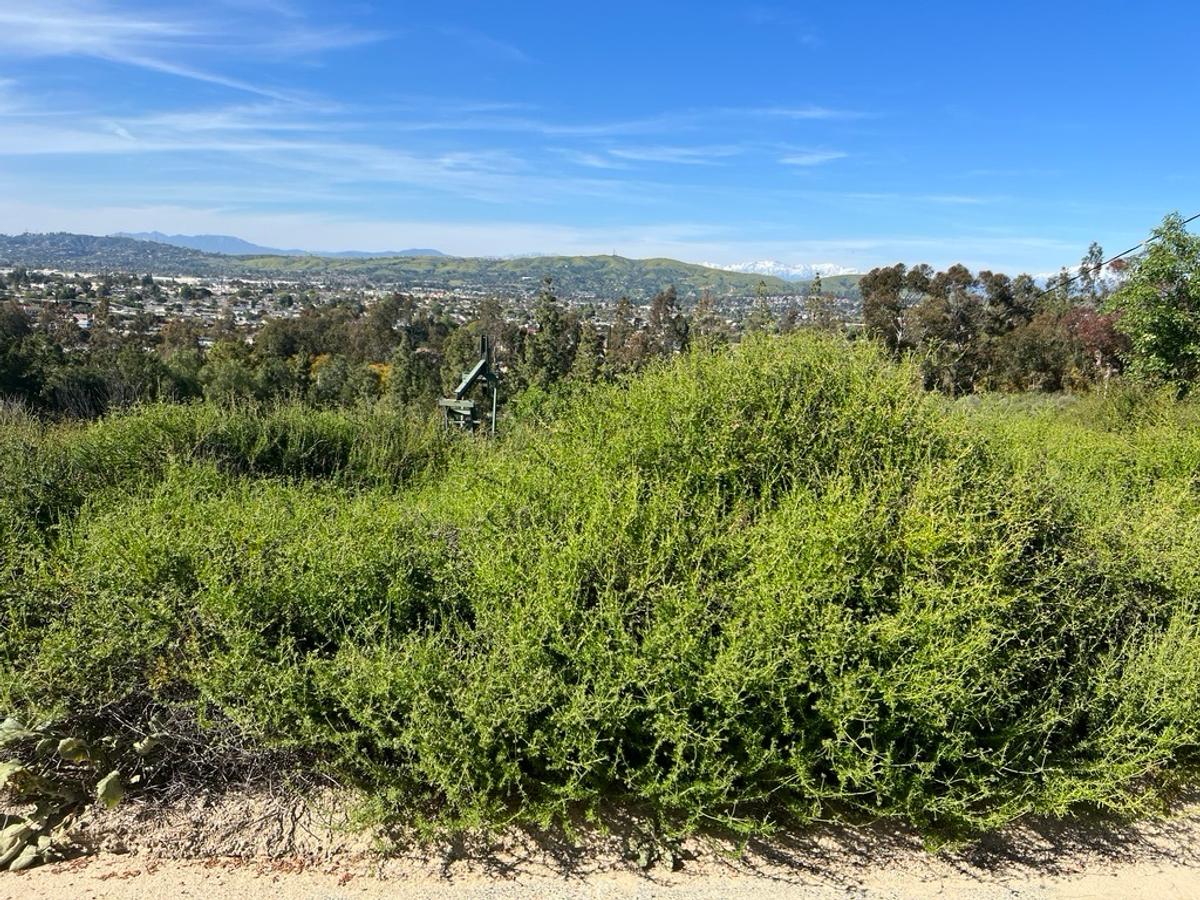
- Pick a sunny, well-drained spot. Full sun gives the densest plants and the most flowers. Slopes, banks, rock gardens, and parkway strips are ideal. It thrives on rocky hillsides, and its roots make it a favorite for erosion control.
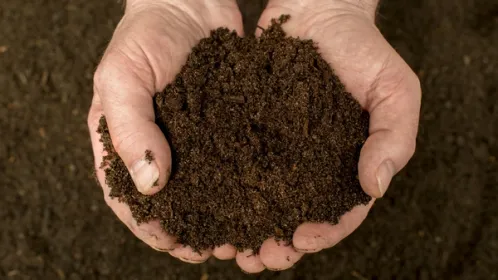
- Skip the amendments. California buckwheat prefers lean soil. Do not add compost or fertilizer. Rich soil and extra water make it leggy and short-lived.
- Give it room. Dig a hole about the size of the root ball, plant at the same depth, and firm the soil. Space plants 3 to 4 feet apart, or farther for larger forms.
- Water to establish, then back off. Water deeply at planting and every 2 to 3 weeks through its first dry season, at the base rather than overhead. After that, most plants need little or no summer water. For a fuller, greener look, water deeply about once a month in summer.
California buckwheat care tips by season
Fall
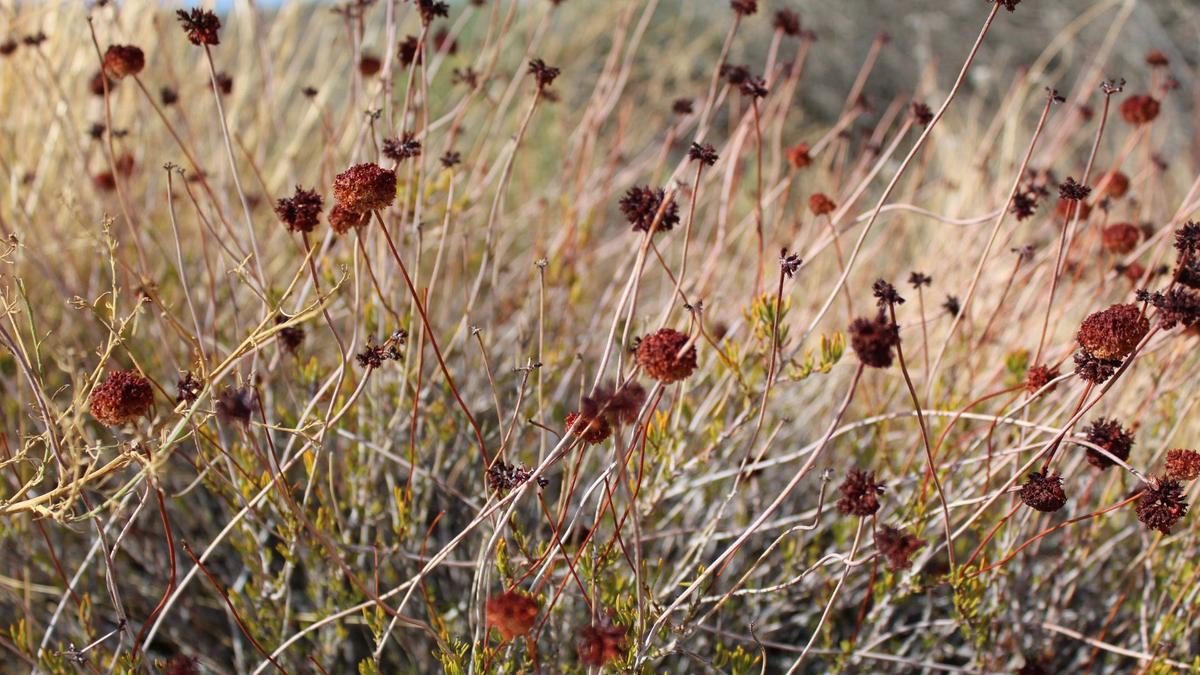
The best time to plant. Established plants turn rusty with seed heads. Trim them now if you want a tidier look.
Winter
Rain does the watering. New growth fills in. Do any light shaping now, before spring growth.
Spring
Fresh green growth and the first flower buds. No feeding needed.
Summer
Peak bloom into late summer. Bees, butterflies, and other pollinators cover the flowers. Once established, a monthly deep watering is plenty.
Why California buckwheat is a pollinator powerhouse
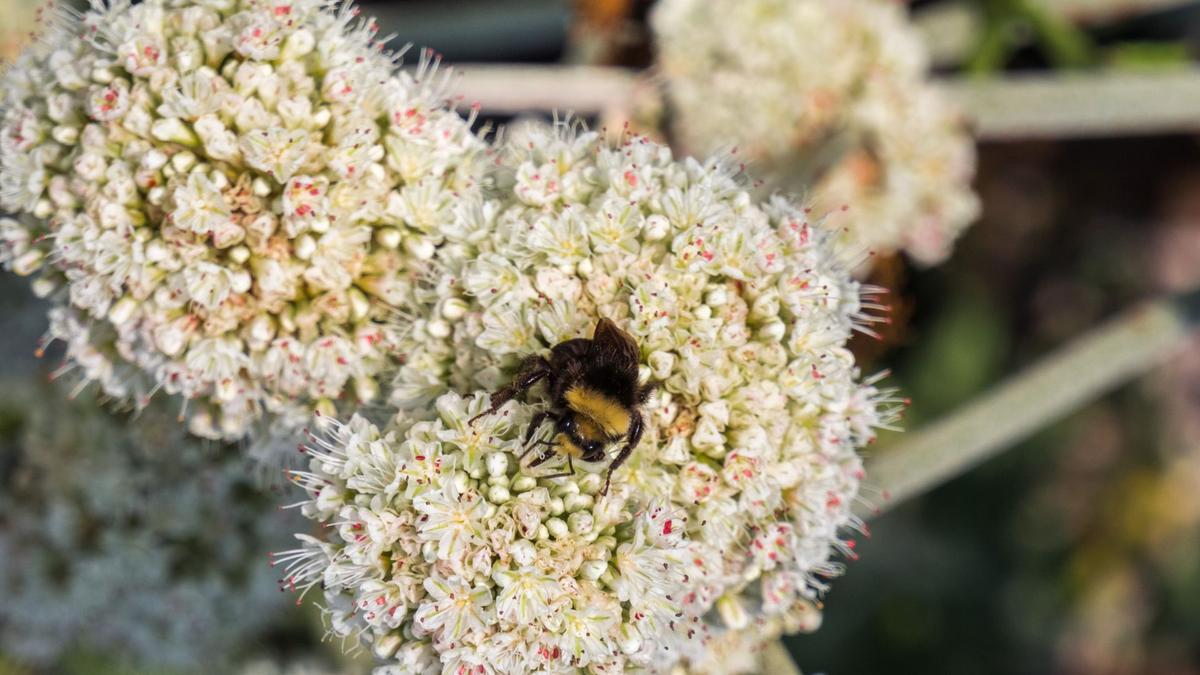
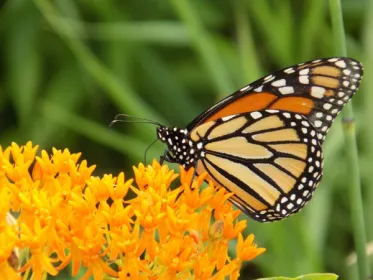
Few native plants feed as many insects as California buckwheat. Its buckwheat flowers are packed with nectar and draw native bees, honey bees, hoverflies, and many butterflies over a long bloom season, and it is considered California's most important native honey plant. It is also a host plant for the caterpillars of several small butterflies and moths, including the Acmon blue and the Gorgon copper.
After the flowers fade, each one makes a tiny seed-like fruit, and the rusty seed heads feed birds into fall and winter. Cut stems also work well in dried flower arrangements. Plant it with other California native plants and pollinators will find food in your garden through most of the year.
Where Eriogonum fasciculatum grows wild
California buckwheat grows from the coast to the deserts of Southern and Central California and into Arizona, Nevada, Utah, and Baja California. You will find it on dry slopes and washes in coastal sage scrub, chaparral, and desert scrub. It is often one of the first shrubs to return after fire or disturbance, which is why it is widely used in habitat restoration and erosion control. Native Americans also used it for food, gathering the tiny seeds, and made teas and remedies from the plant.
Other California buckwheats to try
California has many native buckwheat species, from low growing buckwheat mats to big shrubs. Two we grow:
Santa Cruz Island buckwheat
Another Channel Islands native, a larger, showier buckwheat with gray-green leaves and big heads of pinkish flowers. Shop Santa Cruz Island buckwheat.
Red buckwheat (Eriogonum grande var. rubescens)
Often called red buckwheat, this low, mounding Channel Islands native has rosy pink to red flower clusters. Shop red-flowered buckwheat.
A few other well-known relatives you may see at native plant nurseries:
St. Catherine's lace (Eriogonum giganteum)
Also called giant buckwheat, this Channel Islands native can reach 3 to 6 feet tall and 6 feet wide, with flat flower clusters more than a foot wide.
Sulfur buckwheat (Eriogonum umbellatum)
A low buckwheat of the mountains with yellow flowers.
California buckwheat common names
You may see this plant sold or described under several common names, including California buckwheat, flat topped buckwheat, flattop buckwheat, and California wild buckwheat. Its scientific name, Eriogonum fasciculatum, stays the same. Unlike herbaceous perennials and annuals that die back each year, it is a woody, evergreen shrub with many stems.
What to plant with California buckwheat
These natives share California buckwheat's love of sun, lean soil, and dry summers. Together they recreate the coastal sage scrub of Southern California and make a native garden where many plants bloom at different times.
- Black sage: Spring flowers for bees before buckwheat peaks
- White sage: Silver leaves next to buckwheat's green
- California brittlebush: Bright yellow daisies in late winter and spring
- California fuchsia: Red fall flowers against rusty seed heads
California buckwheat FAQ
When does California buckwheat bloom?
Mostly from late spring through summer, and often into fall. The white to pale pink flower clusters slowly age to rusty red-brown, so the plant stays colorful for months even after the flowers fade.
Should I cut off the dried flower heads?
You can, but you do not have to. The rusty seed heads add fall and winter color and feed seed-eating birds. If you prefer a tidier look, trim them back in late fall or early winter.
How do I prune California buckwheat?
Very little pruning is needed. Trim spent flower heads in late fall or winter, and give the plant a light shaping every couple of years to keep it compact. Avoid cutting deep into old, leafless wood, which often does not resprout.
Why is my California buckwheat dying?
The most common cause is too much water, especially in heavy soil or with overhead sprinklers. California buckwheat is built for dry summers. Plant it where water drains away, water at the base only during its first year, and then let it live on rain.
Is California buckwheat related to the buckwheat used for flour?
No. Both belong to the buckwheat family (Polygonaceae), but the grain buckwheat used for flour and pancakes is a different plant from Asia. California buckwheat is a native shrub grown for its flowers and wildlife value.
Is California buckwheat deer resistant?
Generally, yes. Deer usually leave it alone, though young plants may get nibbled.
Can I grow California buckwheat in a pot?
Low-growing forms do well in large pots with drainage holes and a fast-draining mix in full sun. Water when the top few inches are dry, a bit more often than plants in the ground.
Feed the pollinators all season
Our California buckwheat plants are grown in California and ready for your sunniest, driest spot. Shop California buckwheat.
California buckwheat resources
- UC Davis Arboretum: California Buckwheat: Size, water, bloom time, and wildlife
- Calscape, by the California Native Plant Society: Find native plants that grow where you live
- How to Grow California Fuchsia: Read our guide to a fall-blooming partner for buckwheat
- More California native plants from My Home Park: Drought tolerant natives that ship to your door
Sources: UC Davis Arboretum; Wikipedia, Eriogonum fasciculatum; USDA Forest Service, Woody Plant Seed Manual: Eriogonum
Share this article