California Native Plants
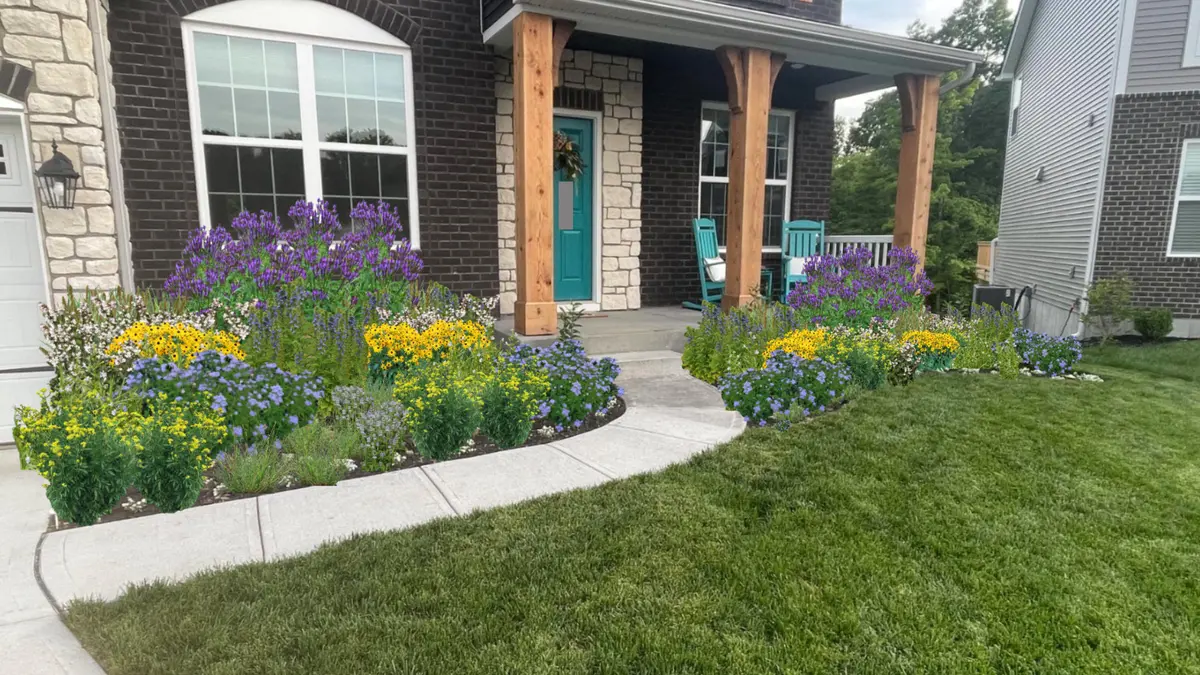
Drought tolerant California native plants, delivered to your door. From the Bay Area to San Diego, they thrive on winter rain, need little summer water once established, and feed monarchs, native bees, and birds.
- Low summer water
- Native to California
- Delivered to your door
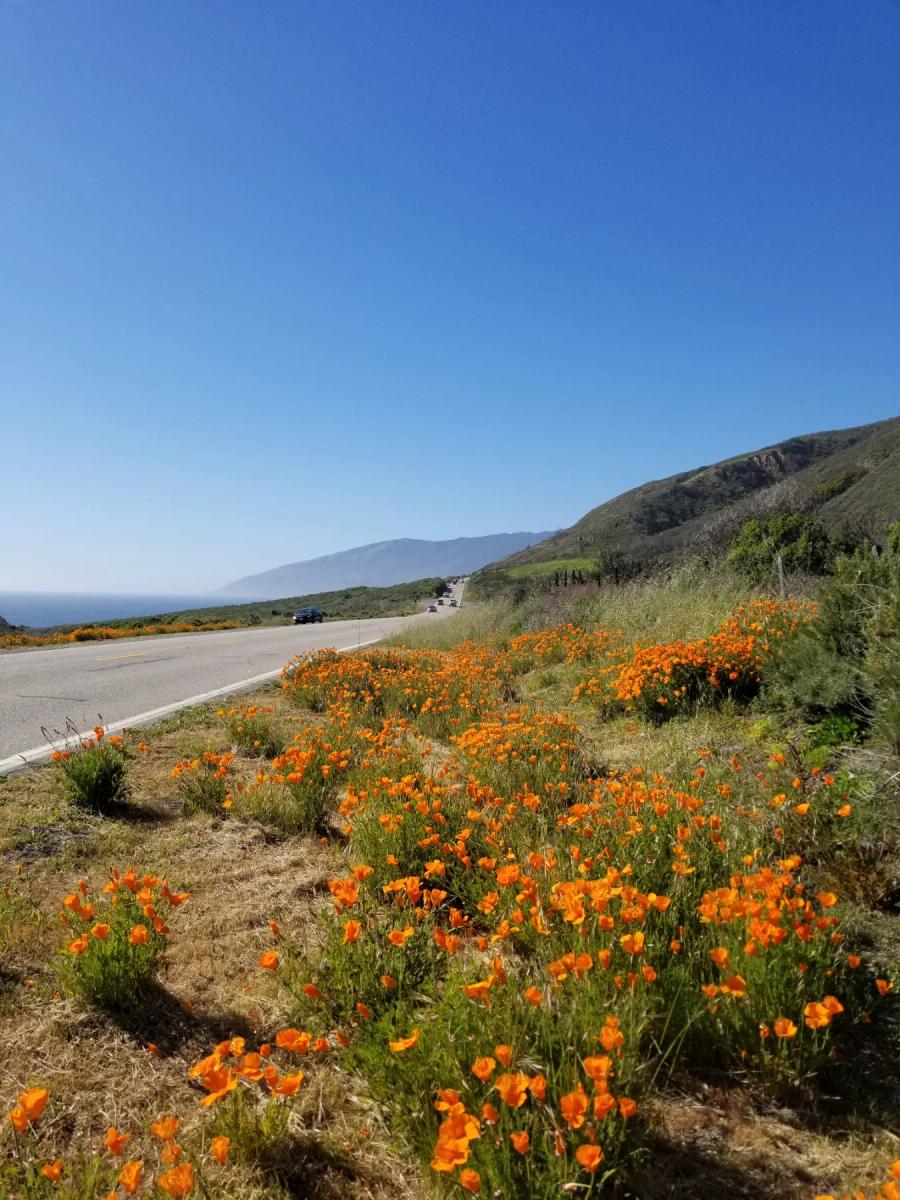


Drought tolerant plants for California
California native plants evolved with wet winters and rainless summers. Once established, most get by on seasonal rain and an occasional deep summer watering. That means lower water bills, no mowing, and a garden that still blooms in a dry year.

California Buckwheat
Eriogonum fasciculatumTop pollinator shrub
White Sage
Salvia apianaSilver foliage, full sun

California Brittlebush
Encelia californicaBright yellow daisies
Bush Monkeyflower
Diplacus aurantiacusLong orange bloom

Hummingbird Sage
Salvia spathaceaDry shade, hummingbirds

Coyote Mint
Monardella villosaFragrant, bee favorite

Island Bush Snapdragon
Galvezia speciosaRed blooms, great in pots

Deergrass
Muhlenbergia rigensTough native grass
No yard? Grow California natives in a pot
Ready-to-grow combinations of California natives, sized for containers, built for patios, balconies, small spaces, and renters. Set it on the porch and go.


The right milkweed for California's monarchs
Western monarch butterflies overwinter along the California coast, and their numbers have dropped sharply in recent decades. Monarch caterpillars can only eat milkweed, so planting it is one of the most direct ways to help.
We grow narrowleaf milkweed (Asclepias fascicularis), a California native milkweed that dies back in winter. That natural pause keeps monarchs on their seasonal schedule.


Native milkweed vs. tropical milkweed
Tropical milkweed (Asclepias curassavica) is common at big box stores, but it is not native to California.
Tropical milkweed
Asclepias curassavica- Flowers
- Red-orange and yellow
- Leaves
- Wide, lance-shaped
- Winter
- Stays green
- CA native
- No
Can keep monarchs breeding when they should be overwintering, and builds up a harmful monarch parasite.
Narrowleaf milkweed
Asclepias fascicularis- Flowers
- Pale pink and white
- Leaves
- Long and very narrow
- Winter
- Dies back
- CA native
- Yes
Returns each spring, right on the monarchs' natural cycle. Thrives in full sun with little water.
We never sell tropical milkweed. If you already have some, cutting it back in fall and winter is the next best step.
How to grow California native plants
Step-by-step growing guides for the natives we ship, from planting time to seasonal care and the best plants to pair them with.

How to Grow California Poppy
Eschscholzia californicaThe state flower: when to plant, how to keep it reseeding, and what to pair it with.
Read the guide
How to Grow Coyote Mint
Monardella villosaA fragrant, low-water butterfly magnet for sunny, rocky spots.
Read the guide
How to Grow Hummingbird Sage
Salvia spathaceaThe native groundcover that blooms in dry shade, even under oaks.
Read the guideHow to grow drought tolerant California natives
Three simple habits get a native garden off to a strong start.
- Step 1
Plant in fall
Fall through early winter is the best time to plant California native plants. Cool weather and winter rain help roots establish before summer heat.
- Step 2
Water the first summer
Water deeply about once a week during the first summer, then taper off. After a year or two, most plants need only occasional summer water.
- Step 3
Skip the fertilizer
Most California natives prefer lean soil. Some, like hummingbird sage, rest in summer heat. That's normal, and they bounce back with fall rain.
Native plants for your part of California
From coastal fog to inland heat, California has many climates. Here are a few plants that do especially well in each region.
Northern California
Bay Area, Sacramento, and the North Coast. Seasonal rain, summer drought, clay soils.
Good picksCentral California
Central Coast and Central Valley. Hot, dry summers and mild winters.
Good picksSouthern California
Los Angeles, Orange County, San Diego, and the Inland Empire. Long dry seasons, coastal breezes.
Good picksOur California container gardens are suited to all three regions. Shop container gardens
California native plant FAQs
What are the best drought tolerant plants for California?
California native plants are the most reliable choice because they evolved with dry summers. Good starters include California buckwheat, white sage, California brittlebush, bush monkeyflower, and deergrass for sun, and hummingbird sage for dry shade.
Is milkweed native to California?
Yes. Several milkweeds are native to California, including narrowleaf milkweed (Asclepias fascicularis), one of the most widespread. Tropical milkweed, sold widely in garden centers, is not native and is best avoided.
Is narrowleaf milkweed invasive?
No. Narrowleaf milkweed is a California native. It can spread by underground roots and seed, so give it room or plant it where a small patch is welcome.
Why shouldn't I plant tropical milkweed in California?
Tropical milkweed stays green through mild California winters. That can encourage monarchs to breed when they should be overwintering, and it can harbor a parasite that weakens monarchs. Native milkweeds die back in winter and avoid both problems.
What can I plant instead of grass?
A mix of low-growing California natives and small shrubs makes a beautiful, low water lawn alternative. Plant in fall, water through the first summer, and many areas need little irrigation after that.
Is there a rebate for replacing my lawn in California?
Often, yes. Many California water agencies offer turf replacement rebates. Rules vary, and most programs require you to apply before removing your lawn. See our California turf rebate guide to get started.
When should I plant native plants in California?
Fall through early winter. Cooler temperatures and winter rain help new plants establish strong roots before summer.
An expert-designed plan for your exact yard
Share a photo and your site conditions, and a California designer sends back a complete plan: rendering, planting map, plant list, and bloom chart.