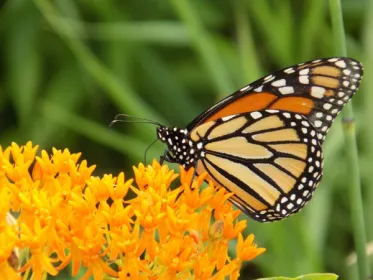
How to Grow Narrowleaf Milkweed

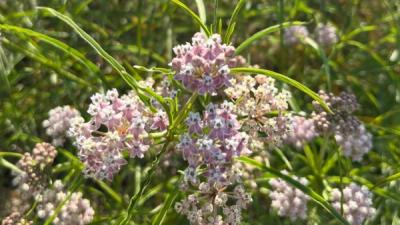
Narrowleaf milkweed is the California native milkweed that feeds monarch butterflies. Monarch caterpillars can only eat milkweed, and this one, Asclepias fascicularis, grows wild across much of the state, handles dry summers, and fills with lavender to lavender-tinted white flowers from late spring through summer. If you are looking for the right milkweed for California, this is the place to start.
The short answer on how to grow it: plant narrowleaf milkweed in full sun and well-drained soil, water deeply through its first year, and cut it back when it dies down in fall. This guide is for California gardeners who want to help western monarchs with a native plant that is easy to grow. It covers when and how to plant, care by season, why native milkweed beats tropical milkweed, companion nectar plants, and answers to common questions. Get a patch established once and it comes back every spring, ready for monarchs.
Narrowleaf milkweed plants at a glance
- Sun: Full sun (6+ hours); tolerates part shade
- Water: Weekly the first year, then about twice a month; less than typical garden plants
- Size: About 2 to 4 feet tall, 3 feet wide
- Bloom season: Late spring through summer, about June to September
- Soil: Adapts to many soil types with good drainage
- Attracts: Monarch caterpillars, pollinators, and beneficial insects
- Life cycle: Perennial; dies back in winter, returns in spring
- Where it grows: California and the West, deserts to foothills
When to plant milkweed in California
Spring through summer is the best time to plant narrowleaf milkweed, while it is actively growing. UC master gardeners suggest putting in live plants roughly March through August. The same timing works for growing milkweed in Southern California and Northern California. In mild coastal and Southern California gardens you can also plant in fall, but expect the plant to die back for winter soon after. That is normal, and it will return in spring.
Narrowleaf milkweed is winter dormant. Each fall it turns yellow, dies back to the ground, and disappears until spring. This pause is a good thing: it keeps monarchs on their natural seasonal schedule, unlike tropical milkweed, which stays green all year.
Planting milkweed: how to plant narrowleaf milkweed
- Pick a sunny spot. Full sun, at least 6 hours a day, gives the strongest plants and the most flowers. Part shade works, especially with afternoon shade in hot inland gardens. Choose a spot where its winter disappearance will not bother you.
- Any well-drained soil works. Narrowleaf milkweed grows in sandy or clay soil. Skip the compost and fertilizer. Like most native milkweeds, it adapts to a range of soil types as long as drainage is good. Its main enemy is soggy soil, which can rot the roots, so avoid low spots where water collects.
- Plant in a group. Dig a hole about the size of the root ball, plant at the same depth, and firm the soil. Space plants about 2 to 3 feet apart. A cluster of several plants feeds more caterpillars than one plant alone.
- Water deeply the first year. Water deeply once or twice a week through the first growing season. After that, a deep soak about twice a month in summer keeps plants lush. Native milkweed needs less water than typical garden plants, and established plants handle dry spells.
Narrowleaf milkweed care tips by season
Fall
Leaves yellow and stems die back. Cut them to the ground once they are brown, and let any remaining seed pods finish opening.
Winter
Dormant. Nothing shows above ground. Mark the spot and resist the urge to water or dig.
Spring
New shoots appear as the weather warms. Spring into summer is the best time to plant new milkweed, while it is actively growing.
Summer
Bloom time, roughly June through late summer. Monarchs lay their eggs on the leaves, so check for tiny eggs and striped caterpillars, and water about twice a month.
Host plant support: why native milkweed matters for monarchs
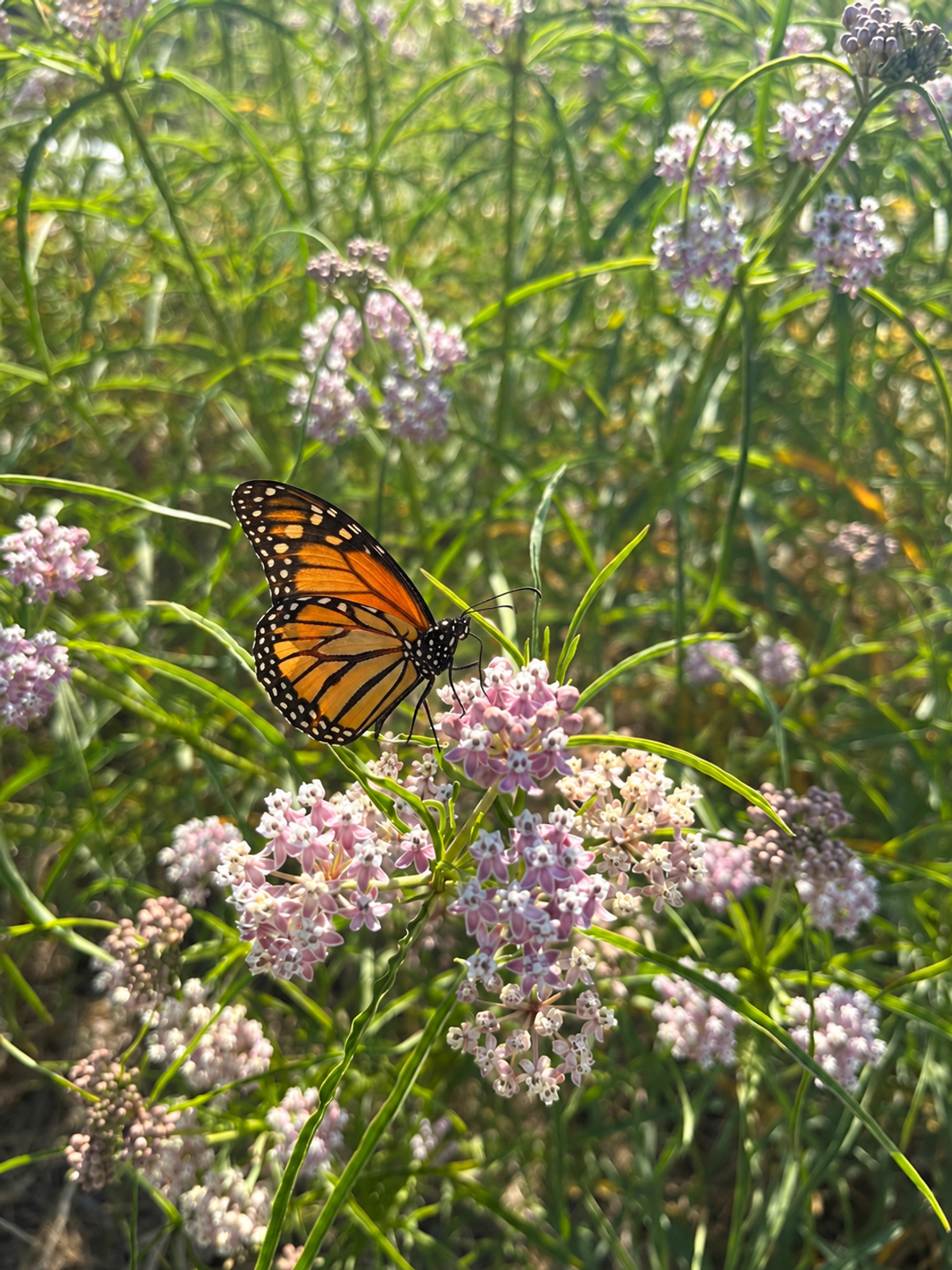
Milkweed is the only food monarch caterpillars can eat. Without it, there are no monarchs. Western monarchs overwinter along the California coast, and their numbers have dropped sharply as development and herbicides have wiped out native milkweed. Planting native milkweed, plus nectar flowers for adult butterflies, is one of the most direct ways a gardener can help.
Narrowleaf milkweed is one of the two native species the Xerces Society recommends for California gardens, because it grows in a wide range of conditions. Conservation groups recommend planting regional, native milkweed species rather than tropical milkweed. Its flowers also feed native bees, honey bees, bumblebees, beetles, and other pollinators and beneficial insects, adding biodiversity and support for local wildlife. Learn more about California native plants for monarchs, including how native milkweed compares to tropical milkweed.
Habitat: where Asclepias fascicularis grows wild, including Southern California
Narrowleaf milkweed is common across California, including much of Southern California, and much of the western United States, and south into Baja California. It grows in valleys, foothills, chaparral, open woodlands, and even desert areas, below about 7,000 feet. That wide range is why it adapts to so many gardens, from coastal yards to hot inland valleys. Growing native milkweed puts a small piece of that natural world back into your yard.
Choosing the right milkweed for California: native milkweed species
California is home to about 15 native milkweed species, according to the Xerces Society. Picking a native variety that fits your region matters more than picking any milkweed at all. Here are a few you will hear about:
Narrowleaf milkweed (Asclepias fascicularis)
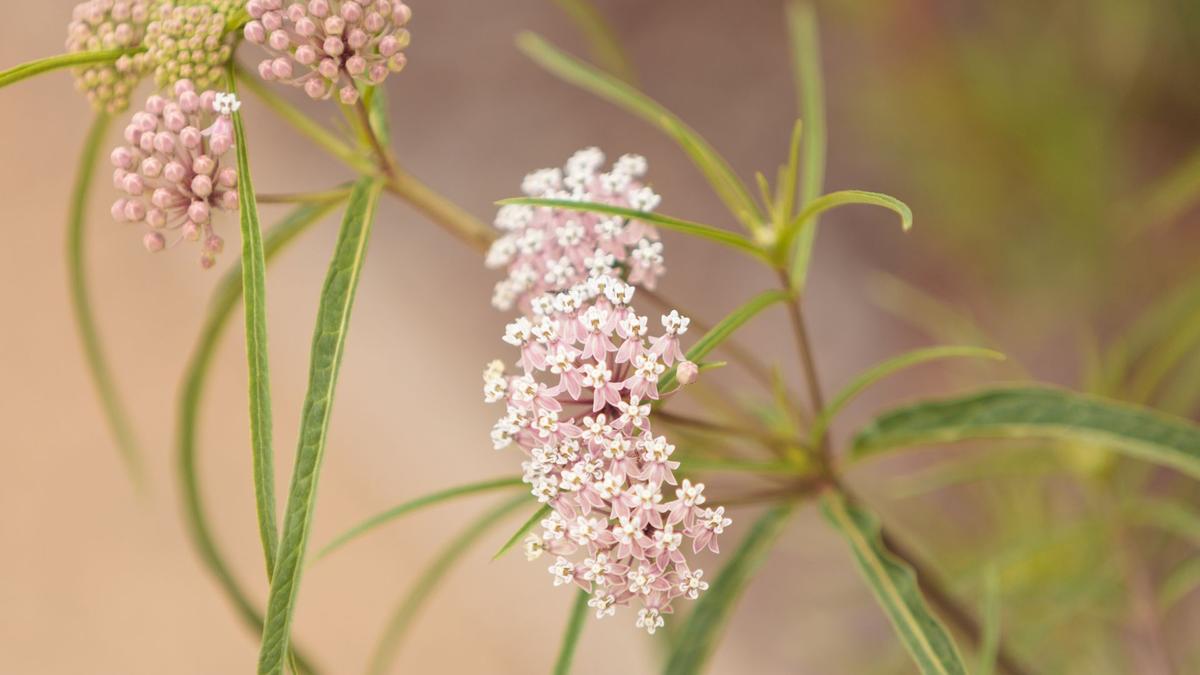
The most widespread and adaptable choice for California gardens, and the one we grow. Thin, whorled leaves and lavender to white flower clusters.
Showy milkweed (Asclepias speciosa)
The other species the Xerces Society recommends for California gardens, alongside narrowleaf. It has larger, pink, star-shaped flowers and broad leaves.
Woollypod milkweed (Asclepias eriocarpa)
A fuzzy-leaved native with white flowers tinged with pink.
For other native varieties, look for California Native Plant Society plant sales, or use Calscape to find nurseries near you. Whichever you choose, skip tropical milkweed, especially in Southern California, where it stays green all year.
What to plant with narrowleaf milkweed
Caterpillars need milkweed, but adult monarchs need nectar. Pair narrowleaf milkweed with native flowers that bloom from summer into fall, like yarrow and goldenrod with its yellow flowers, so butterflies find food in your garden through the season.
- Coyote mint: Summer nectar that adult monarchs and other butterflies visit
- California goldenrod: Yellow flowers in late summer for butterflies
- California aster: Fall flowers for monarchs on the move
- Common yarrow: Flat flower clusters that feed many pollinators
Narrowleaf milkweed FAQ
Why did my narrowleaf milkweed disappear in winter?
That is normal. Narrowleaf milkweed is winter dormant. The stems turn yellow and die back in fall, and new shoots come up from the roots in spring. Cut the old stems to the ground and mark the spot so you do not dig there by accident.
Is narrowleaf milkweed better than tropical milkweed for monarchs?
In California, yes. Tropical milkweed (Asclepias curassavica) is not native and stays green all winter in mild areas. The Xerces Society warns that this can disrupt monarchs' natural migration patterns and build up a harmful monarch parasite called OE. Narrowleaf milkweed dies back each winter, which keeps it in step with the monarchs' natural cycle.
What if I already have tropical milkweed?
Cut it back to the ground as winter approaches, and again in late winter if it regrows. Many gardeners keep it only while their native milkweed patch gets established, then remove it once the natives are growing well.
Which milkweed is native to Southern California?
Several are. Narrowleaf milkweed grows wild across much of Southern California and is the easiest to find and grow. Other natives grow in the region too, including woollypod milkweed. Avoid planting tropical milkweed in Southern California gardens, since mild winters let it stay green year round.
Is milkweed toxic?
Milkweeds contain toxic compounds called cardiac glycosides, which monarch caterpillars store to make themselves distasteful to predators. Narrowleaf milkweed has lower levels than many species, but keep pets and livestock from eating it and wear gloves when handling the milky sap.
Where can I buy California native milkweed?
Look for nurseries that specialize in natives, California Native Plant Society plant sales, or Calscape's nursery finder. We sell narrowleaf milkweed plants grown in California and never sell tropical milkweed.
Why is my milkweed covered in orange aphids?
Those are oleander aphids, and they are very common on milkweed. They usually do not hurt the plant much. Skip the pesticides, since sprays can also kill monarch caterpillars. Blast aphids off with water or let ladybugs and other predators handle them.
Does narrowleaf milkweed spread?
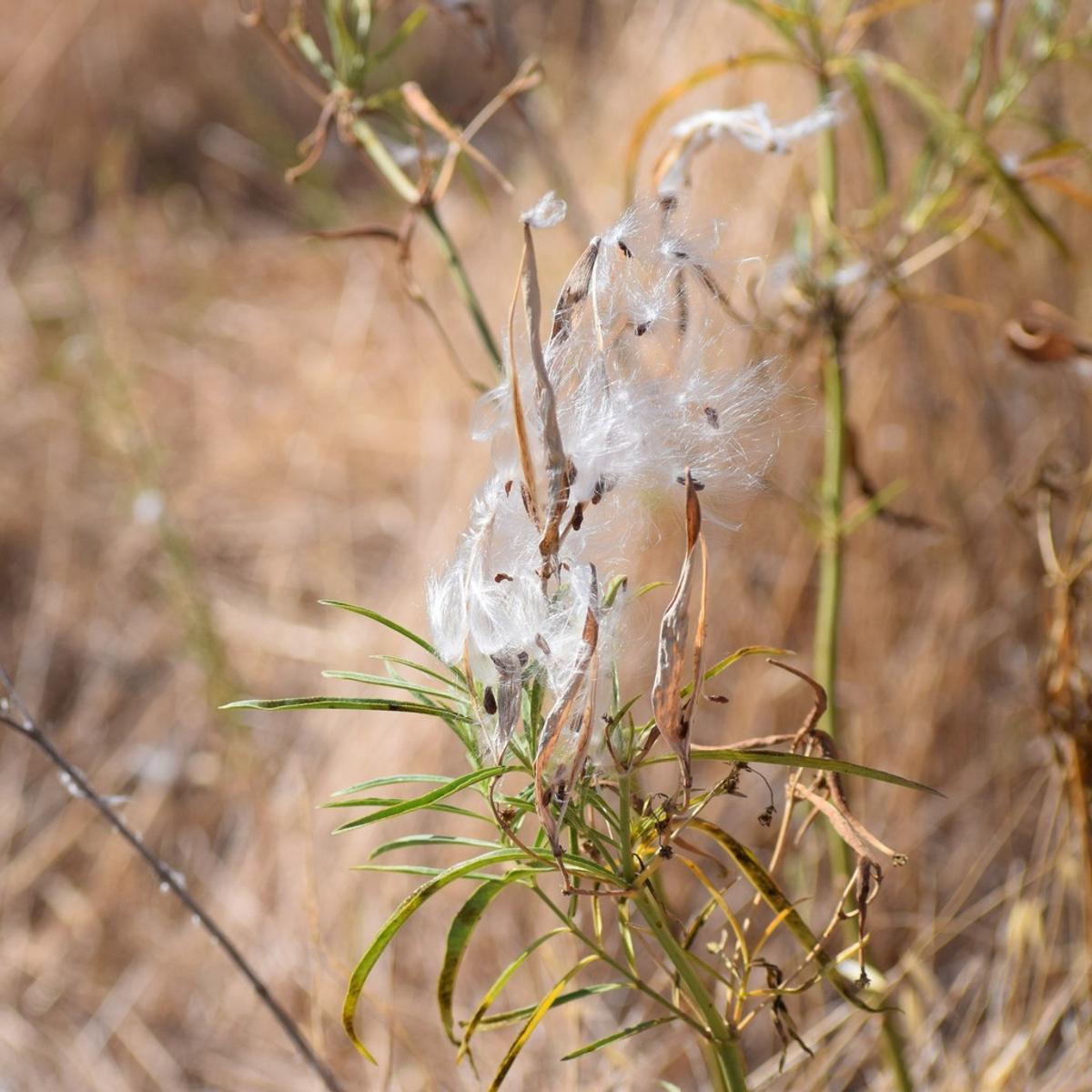
Yes, moderately. It spreads by underground runners and by seed. Each pod splits open to release seeds on silky white floss that drifts on the wind. If you want to limit spreading, remove pods before they open.
Can I grow narrowleaf milkweed from seed?
Yes. Start seed in the warm months, roughly April to July, or look for seed from native seed companies and California Native Plant Society chapters. A narrow-leaf milkweed seedling grows quickly once the weather warms. Starting with young plants is faster and more reliable, and gives monarchs something to eat the first year.
Can I grow narrowleaf milkweed in a pot?
Yes, in a deep, wide container with drainage holes and full sun. Potted plants need more frequent water. Keep in mind that a single pot feeds only a few caterpillars, so a patch in the ground does more for monarchs.
Is narrowleaf milkweed deer resistant?
Generally, yes. Deer usually avoid milkweed. Like all milkweeds it has milky sap, so many gardeners wear gloves when cutting it back and wash their hands afterward.
Plant a patch for monarchs
Our narrowleaf milkweed plants are grown in California, and we never sell tropical milkweed. Shop narrowleaf milkweed.
Narrowleaf milkweed resources
- University of California Agriculture and Natural Resources: Grow California Native Milkweeds: Planting times, watering, and tropical milkweed advice
- UC Davis Arboretum All-Stars: Narrow-leaf Milkweed: Size, water, bloom time, and wildlife
- Calscape, by the California Native Plant Society: Find native milkweed and nurseries near you
- How to Grow Coyote Mint: Read our guide to a summer nectar plant for butterflies
- More California native plants from My Home Park: Drought tolerant natives that ship to your door
Sources: UC Davis Arboretum; UC ANR; Wikipedia, Asclepias fascicularis
Share this article