Ohio Native Plants - 9 Plants You'll Love in Your Garden

Gardening in Ohio means dealing with a little bit of everything: lake‑effect chills, humid summer heat, clay heavy soils in some neighborhoods and quick‑draining ground in others. It’s no surprise that many popular landscape plants look great at the garden center but struggle once they’re in your yard.
Ohio native plants give you a better starting point. Instead of fighting the local climate and soils, these species evolved here—across our forests, prairies, and wetlands—and are naturally tuned to the conditions you already have. When you bring them into your garden, you get plants that tend to be tougher, easier to care for, and far more valuable to pollinators and birds.
In this guide, you’ll meet 9 dependable native plants for Ohio that can bring color, structure, and life to your beds and borders. Whether you’re working with a sunny front yard, a partially shaded side yard, or a tucked‑away corner, you’ll find options you can feel confident planting.
What do we mean by Ohio native plants?
In this article, “Ohio native plants” refers to species that occur naturally within the state and surrounding region—plants that were growing in Ohio’s woods, prairies, and wetlands long before lawns, pavement, and imported ornamentals took over. They developed alongside local insects, birds, and other wildlife, and are part of the ecosystems that evolved here over thousands of years.
Because they’re adapted to Ohio’s climate and soils, these species usually cope better with our reality: cold winters, hot summers, wet springs, and stretches of dry weather. In practical terms, that can mean less watering after they’re established, fewer fertilizer needs, and a garden that actually feeds and shelters the pollinators and birds you want to see—rather than just decorating the space.
Why plant native in Ohio?
Across Ohio, many of the habitats that once supported rich communities of wildlife - woodlands, prairies, wetlands, and hedge stands - have been fragmented or replaced by development and conventional lawns. Those changes make it harder for pollinators, songbirds, and other animals to find the food and shelter they need. A typical yard filled mostly with turf grass and a few non‑native shrubs doesn’t help much.
Adding native plants starts to change that. Their flowers, seeds, and foliage offer the right kind of resources for native bees, butterflies, and birds, while their roots help improve soil structure and soak up stormwater. Many Ohio natives are surprisingly low‑maintenance once they settle in: they’re used to the swings in temperature and moisture, and often prove more resilient than many of the imported plants we’ve gotten used to seeing in landscapes.
By weaving native plants into your existing beds, or designing a new area around them, you turn your yard into a small patch of functioning habitat that still looks beautiful every day you walk outside.
How to use this Ohio native plant list
The 9 plants below are grouped by the conditions where they perform best, so start by paying attention to what your garden actually offers. Notice which spots get full, direct sun for most of the day, which areas have dappled or part‑time light, and which corners stay shady. Also pay attention to how wet or dry the soil tends to be a week or two after a typical rain.
Once you’ve mapped that out, use the list like a menu. In each area, choose a mix of “anchor” plants - taller, more structural species - and lower, filling plants that knit the planting together. Aim for a spread of bloom times so there’s something in flower from spring through fall. You don’t have to overhaul everything at once; even adding three to five of these Ohio natives can noticeably increase the amount of life in a small space.
Native Plants for Full Sun
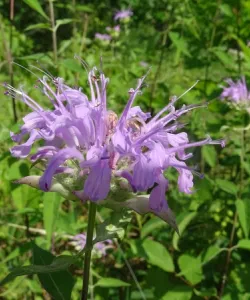
You may already be familiar with Bee Balm (also called Bergamot), which is an herbaceous perennial native to Ohio and many other parts of North America. Its lovely lavender flowers will attract butterflies, bees, and even hummingbirds during its mid summer bloom. Bee Balm is extremely adaptable and will thrive in most soils so long as it gets enough sun.
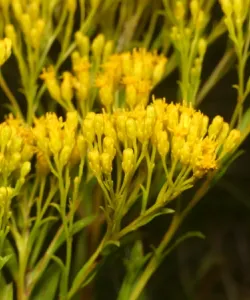
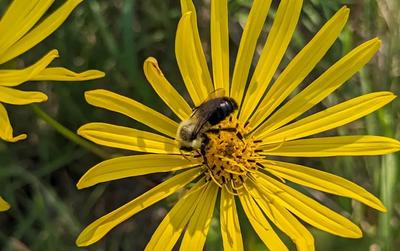
All goldenrods (genus Solidago) are amazing pollinator powerhouse plants and Ohio Goldenrod is no exception. Erupting in August and September in a plum of bright yellow flowers, Ohio Goldenrod joins the Asters in supporting many pollinators during late summer and early fall.
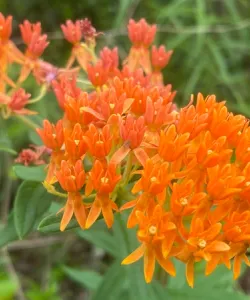
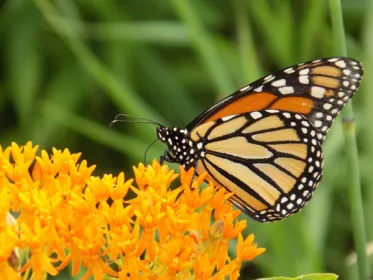
Native to almost every state east of the Rockies, Butterfly Milkweed is a ubiquitous and amazing native species. Butterfly Milkweed is happiest in yards with very low soil moisture and tons of sun. Also called Orange Milkweed, this early summer bloomer is a critical host plant for both the monarch and queen butterflies.
Native Plants for Partial Sun/Partial Shade
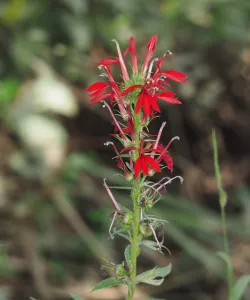
Happy in partial sun and full sun, Cardinal Flowers bloom an incredible deep crimson red in late summer. It's said this plant takes its name from the deep red of the Roman Catholic Cardinal's robe. A wetland plant by nature, Cardinal Flowers are happiest in rain gardens, along stream banks, and in wet meadows.
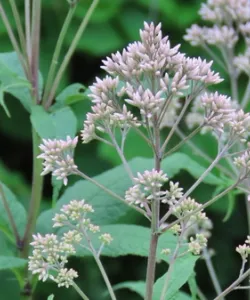
Don't let the "weed" name fool you! Sweet Joe Pye Weed is a dramatic yet well-behaved Ohio native, especially well-suited to filling out cottage gardens or perennial borders along forest margins where they will thrive in the semi-shade to full sun conditions. Sweet Joe Pye Weed is a taller plant (roughly 4-5 feet on average) with fine upturned pink flowers that will attract butterflies and other beneficial insects.
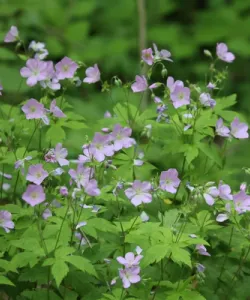
This is not your grandmother's geranium. Wild Geranium is a low growing and clump forming plant that prefers partial shade to full shade. Its lower habit combined with bright violet flowers and deep green foliage make for a an excellent ground cover, especially during its blooming period in late spring.
Native Plants for Full Shade
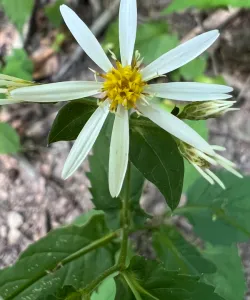
Blooming in an explosion of tiny, daisy like flowers, White Wood Aster brings life and energy into the shaded understory. Once its white flowers have helped to feed pollinators well into early fall, its seeds - like all herbaceous perennials in the Asters - will become a meal for winter songbirds. This is a no brainer addition to a shaded flower border.
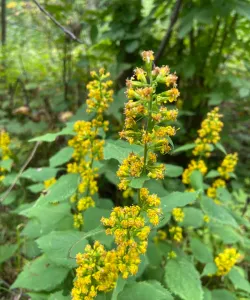
One of the more striking shade-loving native perennials, Zig Zag Goldenrod's dark green leaves and bright yellow flowers will help to invigorate even the gloomiest shade gardens. This plant can spread through rhizomatic roots to form attractive patches. Zig Zag Goldenrod supports a huge range of pollinators and is host to the beautiful Brown Hooded Owlet Moth, whose caterpillars feed on the plant in August.
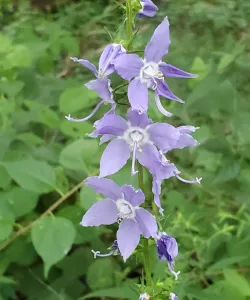
As its name suggests, Tall Bellflower boasts gorgeous blue tubular flowers on tall thin spikes - an easy way to enliven partial and full shade gardens alike. A self-sowing biennial, Tall Bellflower will attract butterflies and bees alongside hummingbirds.
What you can do today
If you’re ready to add more Ohio native plants to your yard, you can start as big or as small as you like. Our pre‑designed native garden collections group compatible species together, so you can drop in a full planting that looks good and supports wildlife without worrying about spacing or combinations.
Prefer to build things plant by plant? We also offer a wide range of individual native species in 3‑packs, 6‑packs, and full trays, so you can try a few favorites, fill in gaps around existing beds, or scale up a design you already love.
If you just want to learn a little more for starters, visit our Learning Center for step‑by‑step guides on site prep, planting, watering, and long‑term care. Between the plants and the how‑to support, you’ll have everything you need to take a clear, concrete next step this season.
Share this article