Shade and Under‑Tree Gardens

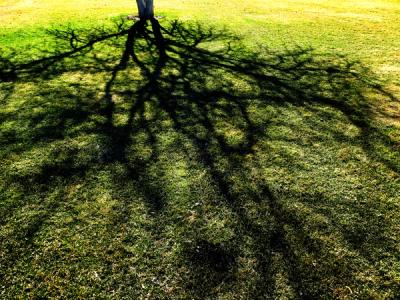
Shady, root‑filled spots under trees can feel like dead zones where grass dies and mulch never looks quite right. With the right native woodland plants and a light touch around roots, those same areas can become calm, layered shade gardens that protect your trees, keep soil covered, and offer refuge for birds, pollinators, and other wildlife. This guide shows you how to work with dry shade and dense roots, choose native plants that actually like those conditions, and design under‑tree plantings that look intentional instead of forgotten.
Why shade and under‑tree spots are so tricky
Under‑tree areas are challenging because they often have:
- Dense tree roots competing for water and nutrients.
- Dry soil and limited light that defeat lawn grasses and sun‑loving perennials.
- Thin turf, exposed roots, and bare or muddy patches that never look finished.
Under established trees, competing roots, dry soil, and limited light make it hard for lawn grasses and many sun‑loving perennials to survive. The result is often a mix of thin turf, exposed roots, and dusty or muddy patches that never look finished.
These areas are also easy to accidentally damage with repeated raking, digging, or heavy mulching. That disturbance can stress trees and leave soil more vulnerable to compaction and erosion, especially on slopes or near walkways.
Native shade plants help by:
- Tolerating dappled light, irregular moisture, and root competition.
- Weaving roots gently between tree roots instead of fighting them.
- Creating a dense “green mulch” that protects soil and suppresses weeds.
Native woodland and shade plants are adapted to life under a canopy, where light is dappled, water can be irregular, and tree roots dominate. Many of them have growth habits and root systems that weave gently between tree roots rather than fighting them, allowing both trees and understory plants to coexist.
When planted densely, native shade groundcovers, ferns, and perennials create a living “green mulch” that protects soil, keeps it cooler and moister, and suppresses weeds. Shrubs and small understory trees add vertical structure, berries, and nesting cover, turning a once‑barren under‑tree area into a layered woodland habitat.
To design a shade or under‑tree garden:
- Map light and moisture (very dry shade, average shade, moist pockets).
- Note where roots are most exposed and where you can safely walk.
- Decide on paths or access routes for maintenance.
- Layer plants from low groundcovers to medium perennials to a few structural shrubs.
Design starts with mapping the shade: notice which areas get dappled morning light, deep midday shade, or a bit of evening sun, and where tree roots are most exposed. Grouping the space into “high‑root, very dry shade,” “average shade,” and “moist shade” zones helps you match plant types to their preferred conditions.
Next, decide how people will move through or around the space. A simple path of mulch, stepping stones, or logs gives you access for maintenance and creates a clear visual structure. Once that framework is set, you can layer plants from low to high with groundcovers along edges and around roots, medium perennials in drifts, and a few structural shrubs where you want height and year‑round presence. If you prefer, My Home Park’s predesigned kits for shade take much of this guesswork out of the equation for many parts of the country.
Focus on three main plant groups:
- Groundcovers and woodland wildflowers to carpet soil around roots and along paths.
- Ferns and medium perennials for texture, bloom, and seasonal interest.
- Shade‑tolerant shrubs and understory trees to frame views and provide berries and shelter.
Low native groundcovers and woodland wildflowers are ideal for tucking around tree roots and along paths, where they form soft carpets instead of bare soil or bark mulch. Ferns and medium‑height perennials add texture and seasonal interest, especially when mixed so something is happening in spring, summer, and fall.
Shade‑tolerant shrubs and understory trees, such as species naturally found on forest edges, can be used sparingly to frame views, mark transitions, and provide berries and shelter. Choosing plants that naturally occur in your region’s woodlands increases the odds that they will thrive with minimal inputs and deliver strong habitat value.
A “soft landing” under trees is:
- A layered native planting (groundcovers, perennials, shrubs) under and around host trees.
- With leaf litter left in place as a thin natural mulch.
- Designed so caterpillars that drop from trees land on plants and litter, not pavement or clipped turf.
Many butterflies and moths spend only a short time as adults; most of their lives are spent as eggs, caterpillars, and pupae on or near their host plants. Under trees and in shady spots, turning bare mulch or thin lawn into a layered native planting with leaf litter, low groundcovers, and host plants creates a “soft landing” where caterpillars can safely drop, crawl, and pupate instead of landing on hot pavement, rock, or clipped turf.
A good soft landing under trees still looks intentional: define a clear edge with a path, stone border, or mowing strip, then repeat a small palette of shade‑tolerant natives so the area reads as a designed woodland garden rather than neglect. By including plants that serve as larval host species in your region and letting autumn leaves remain as a thin, natural mulch you support every stage of the butterfly and moth life cycle while also feeding birds and building a richer soil ecosystem. Read our guides on Soft Landings and Caterpillar Habitat and Nightlife: Moths, Bats, and Fireflies to learn more.
Under trees, aim to:
- Disturb roots as little as possible and avoid deep digging.
- Add only thin layers of compost and mulch, never piled against trunks.
- Water during dry spells in the first year or two, then shift to light weeding and seasonal cleanup.
Under trees, gentle preparation is key: avoid cutting major roots, limit deep digging, and work mostly with hand tools or small planting holes between visible roots. Adding a thin layer of compost and a light mulch around new plants without piling material against tree trunks or plant stems helps them establish without smothering roots.
For the first year or two, plan on some supplemental watering during dry spells, especially if you are planting into dry shade under established trees. Once roots are established and plants have begun to knit together, maintenance typically shifts to occasional weeding, light seasonal cleanup, and periodic top‑ups of mulch or leaf litter to mimic a healthy forest floor. Be sure to read What to Expect in Year 1, 2, and 3 and Troubleshooting Shade, Clay, and Other “Difficult” Yard Conditions to continue your journey.
Share this article