Nightlife in Native Gardens: Moths, Bats, and Fireflies

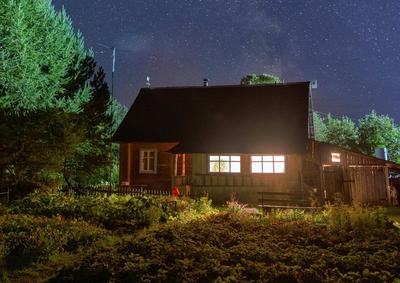
A truly lively native garden does not go to sleep when the sun goes down. With the right plants, lighting choices, and a bit of water, your yard can support moths, bats, fireflies, and other nighttime wildlife that keep ecosystems running after dark. This guide walks through how to use native vegetation, gentle lighting, and connected habitat to make your garden a welcoming place for the night shift as well as the day‑time pollinators.
Why nighttime wildlife matters
Nighttime wildlife matters because:
- Many pollinators and insect predators (moths, bats) are most active after dark.
- Fireflies and other beetles rely on specific vegetation and moisture conditions.
- Declines in these species are often linked to habitat loss and light pollution.
Many pollinators and insect predators are most active at night, including moths and bats, which play big roles in pollination and insect control. Fireflies and other beetles also rely on specific vegetation and moisture conditions to complete their life cycles, and declining populations are often linked to habitat loss and light pollution.
Designing for nightlife means your garden keeps working after sunset, supporting species that birds and other animals depend on for food. It also adds a different kind of beauty - subtle movement, silhouettes, and bioluminescent flashes - that you can enjoy from porches, patios, and windows.
Native plants for moths and nighttime pollinators
To support moths and night pollinators, include:
- Native host trees and shrubs (e.g., oaks, willows, cherries) that support many moth larvae.
- Diverse native flowers for adult nectar.
- Pale, fragrant, or night‑opening blooms that are easier to find after dark.
Moths are major pollinators and food sources for birds and bats, and many use the same native host trees, shrubs, and perennials that butterflies do. Native oaks, willows, cherries, and other woody plants host huge numbers of moth caterpillars, while diverse native flowers provide nectar for adult moths.
Night‑friendly flowers often have pale or white blooms, strong fragrance, or night‑opening habits that make them easier for moths to find after dark. Some common examples include many species of Beebalm, Phlox, and Viburnum among others. Including a mix of these among your other pollinator plants - selected from regional native lists - helps support pollination and insect activity into the evening and night.
Supporting bats with structure and insect‑rich plantings
To make your yard more bat‑friendly:
- Grow insect‑rich native plantings that boost nighttime insect abundance.
- Maintain some open flight paths around tree canopies and along edges.
- Consider well‑placed bat houses if appropriate.
- Avoid broad‑spectrum insecticides that reduce and contaminate their food.
Bats are important nocturnal insect predators, consuming large numbers of mosquitos, moths, beetles, and other flying insects over the course of a night, making them a kind of natural “night shift” pest-control crew. A yard rich in native plants tends to support more insects overall - most of them beneficial in their own right - which in turn feeds bats and other insect‑eating wildlife.
To make your yard more bat‑friendly, combine insect‑supporting vegetation with open flight paths and safe roosting options. That can mean keeping some tree canopy edges and corridors open enough for bats to maneuver, situating bat houses on suitable structures if you choose to use them, and avoiding routine use of broad‑spectrum insecticides that reduce and otherwise toxify their food supply. Read more on Pesticide‑Free and Wildlife‑Safe Yard Practices here to ensure you’re able to manage your yard in a way that provides control without causing harm.
Creating habitat for fireflies
Fireflies do best where yards provide:
- Damp, undisturbed areas with taller grasses and low native plants.
- Leaf litter and organic debris, especially in wetter spots.
- Reduced mowing frequency and no pesticides in key zones.
Many firefly species spend most of their lives as larvae in or on the soil, feeding on small invertebrates in damp, undisturbed areas. They often favor moist meadows, edges, and low vegetation near water, leaf litter, or dense groundcover.
Maintaining some areas of taller grasses, low native plants, and leaf litter - especially in wetter parts of the yard - can provide the habitat firefly larvae need. Reducing lawn mowing frequency in selected zones, avoiding pesticides, and leaving more organic debris in those patches all support stronger firefly populations.
Interested in starting your own rain garden or otherwise planting in damper areas? Check out Rain Gardens, Wet Spots, and Downspouts and Native Gardens for Stormwater and Flood-Resilient Yards for more information.
Use gentle lighting and dark refuges
Wildlife‑friendly lighting means:
- Using only as much light as needed.
- Shielding fixtures and directing light downward.
- Favoring warm‑colored bulbs over bright blue‑white.
- Keeping some areas (back corners, hedgerows, under‑tree zones) truly dark.
Artificial light at night can disrupt moth navigation, alter bat foraging, and interfere with firefly courtship displays. Not to mention the use of bright night lights also risks throwing off annual migration behavior for millions of songbirds. Choosing wildlife‑friendly lighting is thus a key part of designing for nightlife.
Use only as much light as you truly need, shield fixtures to direct light downward, and - if you’re able - favor warm‑colored bulbs over bright blue‑white ones. Consider keeping some areas of the yard, such as back corners, hedgerows, or under‑tree zones, as true dark refuges where nocturnal insects and fireflies can operate with minimal disturbance.
Water, edges, and connected night habitat
At night, you can boost habitat by:
- Providing shallow water features or damp basins refreshed regularly.
- Maintaining moist, insect‑rich edges near water.
- Connecting these spots to hedgerows, soft landings, and pollinator beds so animals can move along “wildlife highways” after dark.
Shallow water features and damp edges often act as hubs for nighttime activity, attracting insects, bats, and amphibians. Even a small birdbath or low basin, refreshed regularly, can increase insect presence and provide drinking and bathing spots for birds and other wildlife.
Connecting these moist, insect‑rich spots to other planted areas like hedgerows, soft landings, and pollinator beds creates a network of nighttime habitat. Animals can move along these “wildlife highways” after dark just as they do by day, using cover and food sources as stepping stones across the yard.
How My Home Park helps with nighttime habitat
My Home Park can help you:
- Select native trees, shrubs, perennials, and grasses that support moths, fireflies, and insect prey for bats.
- Incorporate night‑friendly plantings and darker refuge areas into custom garden designs.
My Home Park can help you select regionally native garden kits or individual plants that support moths, fireflies, and insect prey for bats, including trees and shrubs, diverse flowering perennials, and grasses that provide structure and moisture retention. Plant information can highlight options with certain bloom colors, planting conditions, or strong larval host value.
Custom design services can incorporate nighttime habitat into your overall garden layout, placing night‑friendly plantings where you can enjoy them from seating areas, identifying good spots to keep darker, less disturbed patches, and suggesting ways to balance necessary lighting with wildlife needs.
Common questions about nighttime wildlife in gardens
This FAQ addresses plant damage, bat safety, lighting changes, and whether small yards can still help nighttime wildlife.
Will attracting more moths mean more damage to my plants?
Some moth caterpillars do feed on leaves, but most minor chewing is part of a functioning ecosystem and often goes unnoticed in healthy plantings. Many bird and bat species depend on these larvae for food, so modest leaf damage is usually cause for celebration that your yard is supporting wildlife, not a problem to solve. Check out Butterflies, Moths, and Host‑Plant Gardens for more information.
Are bats dangerous to have around my yard?
Bats generally avoid people and focus on catching insects in flight. As with other wild animals, it is important not to handle them and to exclude them from indoor spaces, but seeing bats in the evening sky is nearly always a sign of a healthy, insect‑rich environment rather than an indicator of mismanaged property or a risk to pets or family members.
Do I have to get rid of all outdoor lighting to help moths and fireflies?
No. Even simply reducing unnecessary lighting, shielding fixtures, and using warmer‑colored bulbs can significantly lessen impacts on nocturnal wildlife. Keeping some zones darker by turning lights off when not needed or using motion sensors creates wildlife refuges while still meeting safety and comfort needs.
Can a small yard really support nighttime wildlife?
Yes. Even modest patches of native plants, darker corners, and reduced pesticide and light use can help attract and support moths, bats, and fireflies, especially if your yard connects to other vegetated areas. When multiple neighbors make similar changes, the nighttime benefits multiply across the block.
Share this article