Soft Landings and Caterpillar Habitat: Under‑Tree Native Planting Ideas

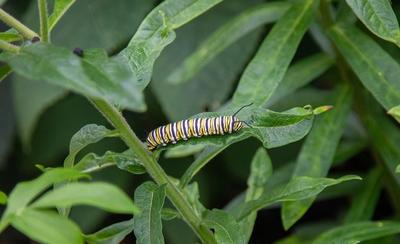
Soft landings transform the areas under trees or shrubs into caterpillar-supporting habitat. By swapping exposed soil or turf for native groundcovers, woodland flowers, and a light layer of leaf litter, you give caterpillars and other insects a safe place to drop, crawl, and pupate instead of hitting pavement or tight turf. This guide shows you how to design under‑tree plantings that boost survival for butterflies and moths while still looking intentional and yard‑friendly.
What “soft landings” are (and why they matter)
Soft landings are:
- Layered native plantings plus leaf litter under and around trees and shrubs.
- Places where caterpillars can safely drop, crawl, and pupate instead of hitting pavement or tight turf.
- Under‑story zones that boost survival for butterflies, moths, and many other invertebrates.
Soft landings are layered, mostly herbaceous plantings under and around trees and shrubs that give caterpillars and other insects a safe place to drop, crawl, and pupate. Instead of landing on hot pavement, gravel, or tightly mown turf, larvae encounter leaf litter, low native plants, and sheltered stems where they can hide and complete their life cycles.
Because many butterflies and moths spend most of their lives as caterpillars and pupae, these understory zones can have an outsized impact on survival. Soft landings also support other invertebrates and soil life, which in turn feed birds and help build a richer, more resilient garden ecosystem.
Just starting your butterfly garden journey? Also be sure to check out Butterflies, Moths, and Host‑Plant Gardens.
Why trees and shrubs are so important for caterpillars
Native trees and shrubs are critical because they:
- Serve as host plants for hundreds of butterfly and moth species in many regions.
- Provide the leaves caterpillars feed on in the canopy.
- Drop larvae and pupae into the under‑story, where conditions determine survival.
Native trees and shrubs are some of the most powerful host plants in any yard, supporting hundreds of butterfly and moth species in many regions. Oaks, cherries, willows, birches, and certain native pines, for example, can host far more caterpillars than typical ornamental trees, making them keystones for wildlife.
When caterpillars finish feeding in the canopy, many species drop to the ground or crawl down trunks to pupate near the base of their host trees or in the surrounding soil and leaf litter. If what they find there is bare lawn or hard surfaces, many will not survive; if they find a soft landing, their chances improve dramatically.
Designing soft landings under trees and shrubs
To design a soft landing:
- Identify native or high‑value host trees and shrubs (oaks, cherries, willows, etc.).
- Use the area within the drip line as your primary soft‑landing zone.
- Replace lawn and thick mulch with shade‑tolerant native groundcovers, wildflowers, ferns, and low grasses.
- Leave space around trunks so soil and mulch are not piled against bark.
Start by identifying trees and large shrubs that likely host many insects, especially native species such as oaks, cherries, and willows on your property. The area within the plant’s drip line (the reach of its branches/canopy) is a prime candidate for a soft landing bed, even if it currently holds mulch or struggling turf.
Under these plants, replace or shrink lawn and thick mulch rings in favor of native groundcovers, woodland wildflowers, ferns, and low grasses that tolerate shade and root competition. Aim for a layered, living carpet rather than a bare circle, leaving space around trunks so you are not piling soil or mulch directly against bark.
Using leaf litter and structure as habitat, not “mess”
For habitat under trees:
- Leave a thin to moderate layer of leaf litter in under‑tree zones.
- Allow some stems, seed heads, and tussocky grasses to stand over winter.
- Focus cleanup on paths, lawns, and high‑visibility edges, not the whole under‑story.
Leaf litter and small woody debris are essential parts of soft landings because they provide cover, moisture, and pupation sites for caterpillars and many other invertebrates. Instead of removing all leaves, allow a thin to moderate layer to remain under trees and shrubs, especially in less formal areas, and focus cleanup on paths and high‑visibility edges.
Leaving some stems, seed heads, and tussocky grasses over winter further increases habitat value by offering places for insects to overwinter and for birds to forage. You can still trim and tidy selectively in spring once temperatures are consistently warmer, striking a balance between ecological function and a cared‑for look. Check out our Plant Care, Maintenance & Seasonal Guides hub for more information on ways to maximize your garden’s support year-round while keeping things tidy.
Keeping soft landings beautiful and neighbor‑friendly
To keep soft landings looking intentional:
- Frame them with clear edges (mowing strip, low stone border, or path).
- Repeat a small palette of shade‑tolerant natives for cohesion.
- Keep front‑yard edges tidier and allow a more relaxed look in side or back areas.
Soft landings do not have to look wild or unkempt. Framing them with clear edges -o such as a mowing strip, low stone border, or defined path - immediately signals that these under‑tree plantings are intentional garden features.
Within the frame, repeating a short list of shade‑tolerant native groundcovers and flowers keeps the design cohesive. You can keep the look especially tidy near front yards and property lines and allow a more relaxed, woodland feel in side yards and back corners, while still supporting the same caterpillar and insect communities.
How soft landings fit with other habitat projects
Soft landings work best when they:
- Link to nearby pollinator beds, side‑yard corridors, or rain gardens.
- Focus on larval and overwintering needs while other beds focus on flowers for adults.
- Help turn your whole yard into a network of connected habitat patches.
Soft landings work best as part of a broader habitat plan. Under‑tree plantings can connect to nearby pollinator beds, side‑yard corridors, or rain gardens, creating linked habitat where insects and birds can move, feed, and nest across your whole yard.
They also complement pollinator gardens and host‑plant beds by focusing on the less visible stages of insect life cycles. Where a pollinator border may emphasize flowers and adult foraging, soft landings emphasize larval and overwintering needs; together, they form a more complete support system for butterflies, moths, and many other species.
How My Home Park helps with soft landings and caterpillar habitat
My Home Park can help you:
- Select shade‑tolerant native groundcovers, ferns, woodland flowers, and grasses that work under trees.
- Use predesigned kits or custom plans to turn mulch rings and thin lawn into intentional soft‑landing plantings.
My Home Park can help you choose regionally appropriate native plants that thrive in under‑tree conditions and contribute to soft landings: shade‑tolerant groundcovers, ferns, woodland flowers, and grasses with strong wildlife value. Plant information can highlight which species contribute as host plants or provide nectar and cover near keystone trees and shrubs.
For deeper support, predesigned kits or custom design services can focus on transforming mulch rings and thin lawn under existing trees or shrubs into soft landings that still look intentional. That may include recommending plant palettes, edge treatments, and phased installation steps that fit your yard’s shade patterns, root competition, and level of formality.
Common questions about soft landings and caterpillar habitat
This FAQ covers appearance, pests (including ticks), leaf cleanup, and mowing in soft‑landing areas.
Will leaving leaves and plants under trees make my yard look too messy?
Not if you frame them well. Clear edges, defined paths, and repeated plantings under trees help leaf litter and low vegetation read as a deliberate woodland garden rather than neglect, especially in front or side yards.
Are soft landings going to increase ticks or other pests?
Ticks tend to be associated with certain host animals and very dense, unmanaged vegetation. Keeping paths clear, placing soft landings away from high‑traffic play areas, and maintaining some openness and visibility under trees can reduce concerns while still providing habitat for caterpillars and other insects.
Do I have to stop raking leaves completely to create soft landings?
No. You can leave more leaves and plant debris in designated under‑tree and under‑shrub zones while still raking or removing material from lawns, paths, and patios. The key is to let some leaf litter remain where caterpillars are likely to fall and pupate.
Can I mow or trim in areas with soft landings?
Light trimming around edges and selective cleanup is fine, but avoid frequent mowing or heavy disturbance within the main soft‑landing zone. Instead, focus mowing on surrounding lawn and keep under‑tree zones as mostly no‑mow spaces with gentle seasonal maintenance.
Share this article